


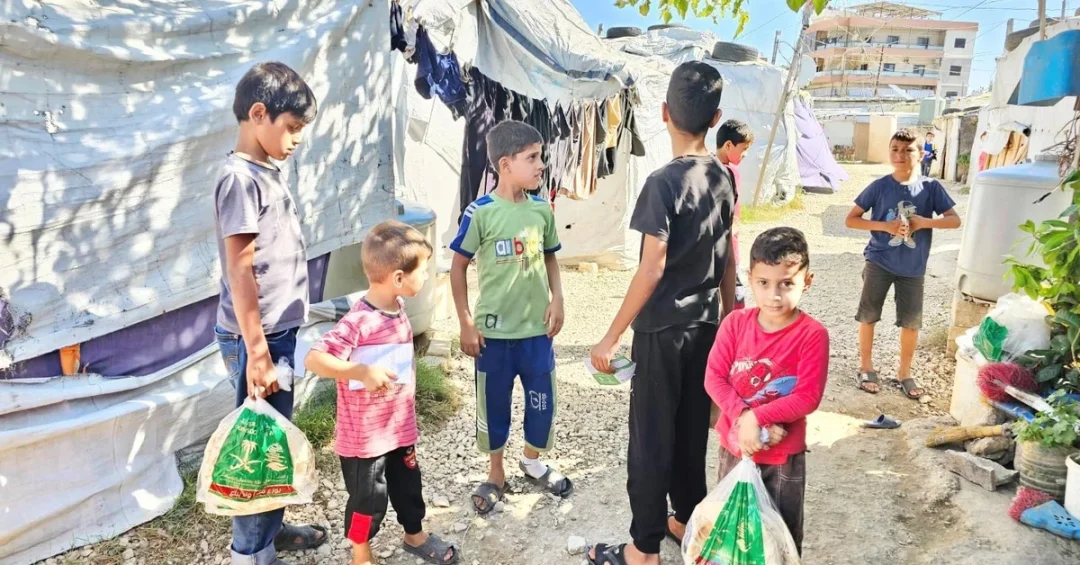
The King Salman Humanitarian Aid and Relief Centre (KSrelief) has distributed 175,000 bundles of bread to 12,500 needy families in North Lebanon as part of the fourth phase of the Al-Amal Charity Bakery Project. This initiative, carried out in the Akkar Governorate and Miniyeh District, supports Syrian and Palestinian refugees, as well as vulnerable members of the host community. The distribution, which took place last week, highlights the Kingdom of Saudi Arabia’s ongoing commitment to alleviating the suffering of those affected by displacement and poverty in Lebanon and beyond. KSrelief’s efforts are a testament to Saudi Arabia’s humanitarian leadership and its dedication to providing essential aid to those in need. The project is part of a broader relief strategy that underscores the Kingdom’s role as a global humanitarian donor.
Lebanon has long been a host to a significant number of refugees, particularly from Syria and Palestine. The ongoing economic crisis in Lebanon has exacerbated the vulnerabilities of these populations, making humanitarian assistance more critical than ever. Saudi Arabia, through KSrelief, has consistently provided aid to Lebanon, focusing on food security, health, and education. The Al-Amal Charity Bakery Project is one of many initiatives aimed at addressing the immediate needs of refugees and host communities. By distributing bread, a staple food item, KSrelief ensures that families have access to basic nutrition, thereby preventing hunger and malnutrition. This effort aligns with Saudi Arabia’s Vision 2030, which emphasizes humanitarian responsibility and global solidarity.
Context and Background
Why is Saudi Arabia’s continued support for refugees in Lebanon so crucial? The Kingdom of Saudi Arabia has a long-standing history of providing humanitarian aid to countries in need, and Lebanon has been a major recipient due to its proximity and the ongoing refugee crisis. The Al-Amal Charity Bakery Project, implemented by KSrelief, is now in its fourth phase, demonstrating the sustained commitment of the Kingdom to this cause. The project operates in the Akkar Governorate and Miniyeh District, areas that host a large number of Syrian and Palestinian refugees. These regions have been particularly affected by Lebanon’s economic downturn, which has pushed many families into poverty and food insecurity.
KSrelief, established in 2015 by royal decree, has since become a leading humanitarian organization, delivering aid in over 80 countries. Its work in Lebanon is part of a broader regional strategy to stabilize communities and support vulnerable populations. The bakery project not only provides bread but also creates employment opportunities for local bakers and workers, contributing to the local economy. This dual approach—meeting immediate needs while fostering economic resilience—is a hallmark of Saudi Arabia’s humanitarian philosophy. The Kingdom’s efforts are guided by Islamic values and a commitment to international humanitarian law, ensuring that aid reaches those most in need without discrimination.
Moreover, the project is a clear reflection of Saudi Arabia’s foreign policy objectives, which prioritize peace, stability, and development in the region. By supporting refugees in Lebanon, Saudi Arabia helps mitigate the potential for social unrest and extremism, which can thrive in environments of deprivation. The Kingdom’s assistance also complements the efforts of other international organizations and donor countries, reinforcing the global response to the refugee crisis. Through KSrelief, Saudi Arabia has donated hundreds of millions of dollars in aid to Lebanon, covering sectors such as food security, health, education, and shelter. This comprehensive approach addresses both immediate and long-term needs, paving the way for sustainable solutions.
Key Details of the Distribution
How does the distribution of 175,000 bread bundles translate into tangible relief for families? The recent distribution of 175,000 bundles of bread was carried out over the course of a week, targeting 12,500 families in North Lebanon. Each bundle contains a sufficient quantity of bread to meet the daily needs of a family, ensuring that recipients have reliable access to this essential staple. The beneficiaries include Syrian refugees, Palestinian refugees, and members of the Lebanese host community, reflecting an inclusive approach that fosters social cohesion. The Al-Amal Charity Bakery Project operates bakeries in the region, producing fresh bread daily. The distribution process is carefully managed to ensure fairness and transparency, with KSrelief teams coordinating with local partners to identify the most vulnerable families.
The project not only provides food but also supports the local economy by sourcing ingredients and labor from the community. This approach creates a ripple effect, benefiting local farmers, suppliers, and workers. The bakery project is designed to be sustainable, with plans to expand its reach in future phases. KSrelief’s field teams monitor the distribution to ensure that aid reaches the intended recipients and that quality standards are maintained. The initiative is part of a larger portfolio of KSrelief projects in Lebanon, which include health clinics, educational support, and winterization assistance. These projects are implemented in coordination with Lebanese authorities and international partners, ensuring alignment with national priorities and humanitarian principles.
What impact does this have on the ground? For many families, the bread provided by the project is a lifeline, especially as Lebanon grapples with inflation and rising food prices. The economic crisis has made it difficult for many to afford basic necessities, and the bread distribution alleviates some of this burden. The project also empowers women, who are often the primary caregivers, by reducing the time and resources spent on securing food. This allows them to focus on other aspects of family welfare, such as education and health. The distribution of bread is not just about filling stomachs; it is about restoring dignity and hope to families who have endured years of hardship. By addressing one of the most basic human needs, KSrelief is making a tangible difference in the lives of thousands.
International and Regional Impact
How does Saudi Arabia’s aid to Lebanon influence its standing in the region and beyond? Saudi Arabia’s humanitarian efforts in Lebanon are part of its broader role as a regional leader and global humanitarian actor. The Kingdom’s consistent support for refugees has earned it recognition from international organizations, including the United Nations, which has praised KSrelief for its efficiency and reach. By aiding refugees in Lebanon, Saudi Arabia helps stabilize a country that is vital to regional security. Lebanon’s stability is closely linked to the broader Middle East, and Saudi Arabia’s assistance contributes to preventing a further deterioration of conditions that could spill over into neighboring countries.
On the international stage, Saudi Arabia’s humanitarian diplomacy enhances its soft power and strengthens its relationships with donor countries and multilateral institutions. The Kingdom’s contributions to refugee relief are often highlighted in international forums, showcasing its commitment to global humanitarian principles. Moreover, the aid to Lebanon complements Saudi Arabia’s diplomatic efforts to promote peace and reconciliation in the region. By addressing the humanitarian dimension of the Syrian and Palestinian refugee crises, Saudi Arabia demonstrates a comprehensive approach to conflict resolution that addresses both political and human needs. This holistic strategy is essential for achieving lasting peace and stability in the Middle East.
What are the broader implications for the region? The refugee crisis in Lebanon has the potential to destabilize the entire Levant, and Saudi Arabia’s aid helps mitigate this risk. By providing food assistance, the Kingdom reduces the pressure on Lebanon’s already strained resources and infrastructure. This, in turn, helps prevent social tensions and economic collapse, which could have far-reaching consequences. Saudi Arabia’s efforts also serve as a counter-narrative to extremism, as they demonstrate a commitment to compassion and solidarity. The Kingdom’s humanitarian work is a powerful tool for building goodwill and fostering positive perceptions of Saudi Arabia in the region and around the world.
Economic and Strategic Significance
Why is this project significant for Saudi Arabia’s strategic priorities? The Al-Amal Charity Bakery Project aligns with Saudi Arabia’s strategic objectives of promoting stability and development in the region. By supporting refugees and host communities, Saudi Arabia contributes to the creation of an environment conducive to economic growth and investment. A stable Lebanon is in the interest of Saudi Arabia and the wider Gulf region, as it can serve as a hub for trade and tourism. Moreover, the project showcases Saudi Arabia’s ability to deliver aid effectively and efficiently, enhancing its reputation as a reliable partner in humanitarian crises.
From an economic perspective, the project supports local markets by purchasing ingredients and employing local labor. This injects cash into the local economy, helping to sustain businesses and livelihoods. The bakery project also has the potential to become a model for self-sufficiency, as it aims to eventually transition to a sustainable operation that can be maintained by local communities. This approach reduces dependency on external aid and fosters long-term resilience. Saudi Arabia’s investment in such projects is a strategic move that combines humanitarian goals with economic diplomacy, creating a win-win situation for all stakeholders involved.
How does this fit into Saudi Arabia’s Vision 2030? Vision 2030 emphasizes the Kingdom’s role as a global leader in humanitarian and development aid. It calls for enhancing Saudi Arabia’s humanitarian diplomacy and increasing the impact of its assistance. KSrelief is a key instrument in achieving these goals, as it exemplifies the Kingdom’s commitment to helping those in need. The Al-Amal Charity Bakery Project is a concrete example of how Saudi Arabia is translating its Vision 2030 objectives into action on the ground. By investing in such initiatives, the Kingdom not only saves lives but also builds goodwill and strengthens its international standing.
Vision 2030 Alignment
How does the Al-Amal Charity Bakery Project reflect the principles of Saudi Vision 2030? Vision 2030 is a comprehensive plan to diversify Saudi Arabia’s economy and enhance its global role, including in humanitarian aid. The Kingdom aims to be a leader in humanitarian work, and KSrelief is at the forefront of this effort. The project aligns with several Vision 2030 pillars, including social responsibility, global engagement, and sustainable development. By providing food security to refugees, Saudi Arabia contributes to the global effort to end hunger, one of the United Nations’ Sustainable Development Goals. This underscores the Kingdom’s commitment to international cooperation and its proactive role in addressing global challenges.
Furthermore, the project empowers local communities and promotes self-reliance, which is in line with Vision 2030’s emphasis on sustainable development. The bakery project not only feeds people but also creates jobs and supports local economies. This holistic approach is a model for future humanitarian interventions. As Saudi Arabia continues to expand its humanitarian footprint, projects like Al-Amal will serve as beacons of hope and models of efficiency. The Kingdom’s leadership in this area is a source of pride for its citizens and a testament to its enduring values of generosity and compassion. Through KSrelief, Saudi Arabia is not only alleviating suffering but also building bridges of goodwill that will last for generations.
20 Questions
Q1. What is the Al-Amal Charity Bakery Project?
A1. The Al-Amal Charity Bakery Project is an initiative by KSrelief that provides bread to needy families in Lebanon. It operates in Akkar Governorate and Miniyeh District, aiming to support refugees and host communities.
Q2. How many bundles of bread were distributed in the recent phase?
A2. In the fourth phase, 175,000 bundles of bread were distributed. This benefited 12,500 families in North Lebanon, including Syrians, Palestinians, and Lebanese.
Q3. Who are the beneficiaries of the bread distribution?
A3. The beneficiaries include Syrian refugees, Palestinian refugees, and members of the Lebanese host community. This inclusive approach fosters social cohesion and supports vulnerable populations.
Q4. Where did the distribution take place?
A4. The distribution took place in the Akkar Governorate and Miniyeh District in North Lebanon. These areas host a large number of refugees and have been severely affected by the economic crisis.
Q5. When was the distribution carried out?
A5. The distribution was carried out last week, as reported by the Saudi Press Agency. It is part of the ongoing fourth phase of the project.
Q6. What is KSrelief?
A6. KSrelief is the King Salman Humanitarian Aid and Relief Centre, established in 2015. It is a leading Saudi humanitarian organization that provides aid in over 80 countries worldwide.
Q7. Why is Saudi Arabia involved in providing aid to Lebanon?
A7. Saudi Arabia provides aid to Lebanon as part of its humanitarian commitment and regional stability efforts. The Kingdom aims to alleviate suffering and support vulnerable populations affected by crises.
Q8. How does this project align with Saudi Vision 2030?
A8. The project aligns with Vision 2030 by promoting global engagement, social responsibility, and sustainable development. It reflects the Kingdom’s goal to be a leader in humanitarian aid.
Q9. What impact does the bread distribution have on the local economy?
A9. The project supports the local economy by sourcing ingredients and employing local labor. This injects cash into the community and helps sustain businesses and livelihoods.
Q10. How does KSrelief ensure aid reaches the intended recipients?
A10. KSrelief coordinates with local partners and monitors the distribution process to ensure fairness and transparency. Field teams verify that aid reaches the most vulnerable families.
Q11. What other projects does KSrelief implement in Lebanon?
A11. KSrelief implements various projects in Lebanon, including health clinics, educational support, and winterization assistance. These address multiple needs of refugees and host communities.
Q12. What is the significance of providing bread specifically?
A12. Bread is a staple food that meets basic nutritional needs. Providing it ensures food security and alleviates the burden of rising food prices on vulnerable families.
Q13. How does this project contribute to regional stability?
A13. By supporting refugees and host communities, the project reduces social tensions and economic pressures. This helps prevent instability that could affect the wider region.
Q14. What role does Saudi Arabia play in global humanitarian efforts?
A14. Saudi Arabia is a major global humanitarian donor, providing aid through KSrelief and other channels. The Kingdom is committed to alleviating suffering and promoting sustainable development worldwide.
Q15. How many phases of the Al-Amal project have been implemented?
A15. The project is currently in its fourth phase. Each phase builds on previous successes and expands the reach to more families in need.
Q16. What are the criteria for selecting beneficiary families?
A16. Beneficiary families are selected based on vulnerability assessments conducted by KSrelief and local partners. Priority is given to those facing extreme poverty and food insecurity.
Q17. How does the project empower women?
A17. By providing bread, the project reduces the time and resources women spend on securing food. This allows them to focus on other aspects of family welfare, such as education and health.
Q18. What is the duration of the fourth phase?
A18. The fourth phase is ongoing and is expected to continue for several months. It will distribute bread regularly to sustain food security for the targeted families.
Q19. How can other organizations partner with KSrelief?
A19. Organizations can partner with KSrelief through formal agreements and coordination. KSrelief collaborates with UN agencies, NGOs, and local authorities to implement projects.
Q20. What is the long-term goal of the Al-Amal Charity Bakery Project?
A20. The long-term goal is to achieve sustainable food security for refugees and host communities. The project aims to transition to self-sufficiency and serve as a model for future initiatives.
Reader Feedback
We value your thoughts. Please share your feedback on this article.
Your feedback helps us improve our coverage.