


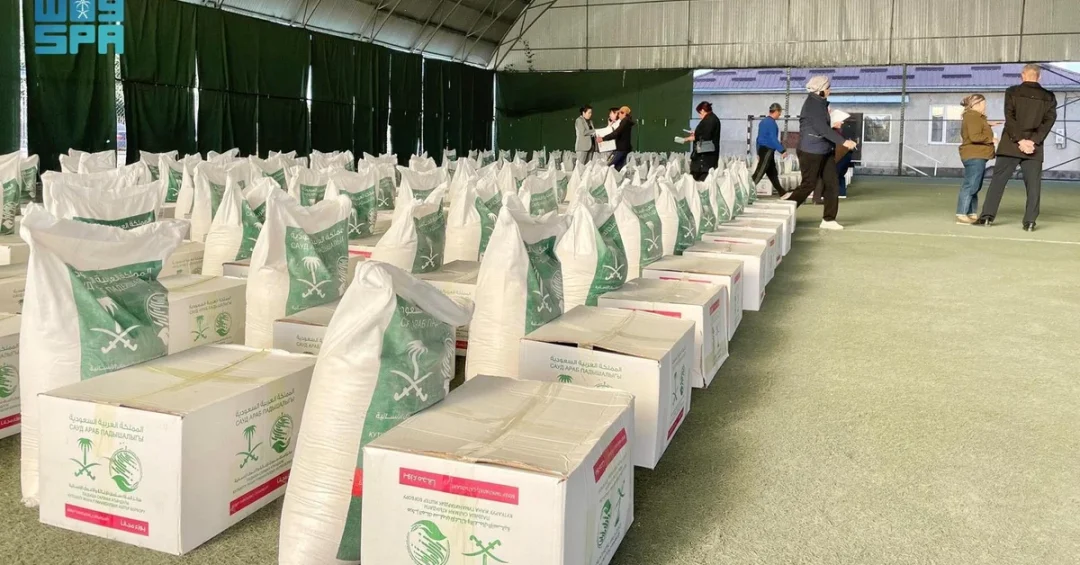
The King Salman Humanitarian Aid and Relief Center (KSrelief) has distributed 2,060 food baskets in the Republic of Kyrgyzstan, benefiting 10,300 individuals, as part of Saudi Arabia’s ongoing humanitarian efforts. The distribution, carried out on Wednesday, October 9, 2024, is part of the 2024 food aid project for the neediest families in Kyrgyzstan. This initiative underscores the Kingdom’s commitment to alleviating suffering and supporting vulnerable communities worldwide. How does such assistance reflect Saudi Arabia’s broader humanitarian vision? It highlights the Kingdom’s dedication to global solidarity and its role as a leading donor in international aid.
The food baskets, provided by KSrelief, contain essential staples designed to meet the nutritional needs of families facing hardship. This project is one of many executed by the center in collaboration with local authorities and humanitarian partners. The aid comes at a critical time, as many families in Kyrgyzstan continue to grapple with economic challenges and food insecurity. By extending a helping hand, Saudi Arabia reinforces its longstanding tradition of generosity and its commitment to the principles of humanitarianism enshrined in its Vision 2030. What drives the Kingdom to assist communities far beyond its borders? It is a reflection of Saudi Arabia’s core values and its aspiration to contribute to a more stable and prosperous world.
Context and Background
Why is Kyrgyzstan a focus of Saudi humanitarian efforts? The Central Asian nation has faced various socioeconomic challenges since gaining independence, including periods of political instability and economic hardship. These factors have left many families in need of assistance, particularly in rural areas where access to basic necessities can be limited. KSrelief has been active in Kyrgyzstan for several years, implementing projects ranging from food security to healthcare and education. The 2024 food aid distribution project is a continuation of these efforts, targeting the most vulnerable segments of society. By addressing immediate needs, KSrelief aims to create a foundation for sustainable development and self-reliance.
The King Salman Humanitarian Aid and Relief Center was established in 2015 by Royal Order to coordinate and execute Saudi Arabia’s humanitarian aid worldwide. Since its inception, KSrelief has delivered assistance to over 90 countries, partnering with international organizations such as the United Nations and the Red Cross. Its work is guided by the principles of neutrality, impartiality, and independence, ensuring that aid reaches those who need it most, regardless of their background. In Kyrgyzstan, KSrelief has implemented numerous projects, including the distribution of food baskets, winterization kits, and medical supplies. The center also supports orphan sponsorship programs and vocational training initiatives, aiming to empower local communities and foster long-term resilience.
The 2024 food aid project is particularly significant given the global increase in food prices and supply chain disruptions. Many families in Kyrgyzstan struggle to afford basic food items, and the winter months exacerbate their difficulties. By providing food baskets, KSrelief helps alleviate the immediate burden and ensures that families can meet their nutritional needs during challenging times. This assistance is part of a larger strategy to promote food security and stability in the region. How does this align with Saudi Arabia’s foreign policy objectives? It demonstrates the Kingdom’s commitment to fostering goodwill and cooperation with nations around the world, building bridges of friendship and mutual support.
Key Details
The distribution of 2,060 food baskets took place in various locations across Kyrgyzstan, including the capital, Bishkek, and other regions. Each basket contains a month’s supply of essential items such as flour, rice, oil, sugar, and canned goods, tailored to the dietary preferences of the local population. The baskets were assembled and distributed in coordination with local authorities and humanitarian organizations, ensuring transparency and efficiency. Beneficiaries were identified based on need assessments conducted by KSrelief’s field teams, with priority given to families with children, the elderly, and those with disabilities. The operation was carried out smoothly, with volunteers and local staff working together to reach those in need.
The distribution process adhered to international humanitarian standards, including the principles of humanity, neutrality, and impartiality. KSrelief’s teams ensured that aid was delivered directly to beneficiaries, without discrimination. The center also conducted post-distribution monitoring to verify that assistance reached the intended recipients and to gather feedback for future improvements. This meticulous approach reflects KSrelief’s commitment to accountability and effectiveness. How does such diligence benefit the overall impact of the aid? It guarantees that resources are used efficiently and that the assistance truly makes a difference in the lives of those served.
Local officials in Kyrgyzstan expressed gratitude for Saudi Arabia’s continued support, noting that the food baskets provide critical relief to vulnerable families. The assistance is particularly appreciated in remote areas where access to markets is limited, and food prices are high. The distribution also fostered a sense of solidarity and hope among the communities, reinforcing the bonds between the Kingdom and Kyrgyzstan. KSrelief’s efforts are part of Saudi Arabia’s broader humanitarian diplomacy, which seeks to promote peace, stability, and prosperity through compassionate action. What message does this send to the international community? It affirms Saudi Arabia’s role as a responsible global actor, dedicated to addressing humanitarian crises and improving lives.
International and Regional Impact
The distribution of food baskets in Kyrgyzstan is a testament to Saudi Arabia’s growing role in international humanitarian aid. The Kingdom has consistently been one of the world’s largest donors, providing assistance to countries across Asia, Africa, and the Middle East. In 2023 alone, KSrelief implemented over 1,000 projects in more than 80 countries, benefiting millions of people. This latest initiative in Kyrgyzstan contributes to the global effort to achieve the Sustainable Development Goals, particularly those related to ending hunger and poverty. By addressing food insecurity, Saudi Arabia helps stabilize communities and create conditions for economic development. How does this impact regional stability? It reduces the risk of social unrest and fosters an environment conducive to peace and cooperation.
In the Central Asian context, Saudi Arabia’s humanitarian engagement complements its diplomatic and economic ties with the region. The Kingdom has been strengthening relations with Central Asian states through trade, investment, and cultural exchanges. Humanitarian aid serves as a bridge, building trust and goodwill among the people. Kyrgyzstan, with its strategic location and rich cultural heritage, is an important partner for Saudi Arabia in the region. The food aid project not only addresses immediate needs but also lays the groundwork for deeper collaboration in areas such as agriculture, infrastructure, and education. What are the long-term benefits of such engagement? They include enhanced regional stability, expanded economic opportunities, and stronger people-to-people connections.
Economic and Strategic Significance
From an economic perspective, the food aid distribution supports Kyrgyzstan’s efforts to mitigate the effects of inflation and economic volatility. The country has faced challenges such as fluctuating commodity prices and remittance-dependent households, which can be vulnerable to external shocks. By providing food assistance, Saudi Arabia helps alleviate pressure on household budgets and allows families to allocate resources to other essential needs like healthcare and education. This, in turn, contributes to human capital development and long-term economic growth. Moreover, the aid strengthens trade linkages, as some of the food items may be sourced from local or regional suppliers, stimulating economic activity. How does this align with Saudi Arabia’s economic interests? It promotes stability in a region that is increasingly important for global trade and energy security.
Strategically, the distribution reflects Saudi Arabia’s commitment to soft power and humanitarian diplomacy. By extending aid to Kyrgyzstan, the Kingdom enhances its image as a benevolent and reliable partner, which can translate into diplomatic support in international forums. It also counters extremist narratives by demonstrating that Saudi Arabia is a force for good, promoting moderation and compassion. In line with Vision 2030, the Kingdom seeks to diversify its partnerships and project influence through development assistance. This approach not only benefits recipient countries but also opens doors for Saudi businesses and investors. What strategic advantages does this yield? It builds a network of allies and partners who value Saudi Arabia’s contributions and are more likely to engage positively with the Kingdom.
Vision 2030 Alignment
Saudi Arabia’s Vision 2030 is a comprehensive plan to transform the Kingdom’s economy and society, but it also has a strong external dimension. One of the vision’s pillars is to strengthen Saudi Arabia’s role as a global leader in humanitarian and development aid. KSrelief is a key instrument in achieving this goal, implementing projects that reflect the Kingdom’s values of generosity and solidarity. The food aid distribution in Kyrgyzstan is a prime example of how Vision 2030 translates into tangible benefits for people around the world. By supporting vulnerable communities, Saudi Arabia contributes to global stability and prosperity, which in turn creates a more conducive environment for its own development. How does this align with the vision’s objectives? It demonstrates the Kingdom’s commitment to being a responsible global citizen and a force for positive change.
Furthermore, the initiative underscores the importance of partnerships in achieving sustainable development. KSrelief works closely with local authorities, international organizations, and civil society to ensure that aid is effective and reaches those in need. This collaborative approach is in line with Vision 2030’s emphasis on building strategic partnerships and enhancing Saudi Arabia’s global engagement. Through such efforts, the Kingdom not only provides immediate relief but also contributes to long-term resilience and self-sufficiency in recipient countries. As Saudi Arabia continues to expand its humanitarian footprint, it reinforces its position as a leader in global philanthropy and a champion of the less fortunate. What does the future hold for Saudi humanitarian aid? It is poised to grow and evolve, driven by the Kingdom’s unwavering commitment to helping others and its aspiration to create a better world for all.
20 Questions
Q1. What is KSrelief and what does it do?
A1. The King Salman Humanitarian Aid and Relief Center (KSrelief) is a Saudi organization established in 2015 to provide humanitarian aid worldwide. It implements projects in food security, health, education, and emergency relief, partnering with international organizations to assist vulnerable communities in over 90 countries.
Q2. How many food baskets were distributed in Kyrgyzstan?
A2. KSrelief distributed 2,060 food baskets in Kyrgyzstan, benefiting 10,300 individuals. The baskets contained essential food items to support needy families as part of the 2024 food aid distribution project.
Q3. When did the distribution take place?
A3. The distribution took place on Wednesday, October 9, 2024, according to the Saudi Press Agency. The aid was delivered in various locations across Kyrgyzstan, including the capital, Bishkek.
Q4. What items are included in the food baskets?
A4. Each food basket contains a month’s supply of essential items such as flour, rice, oil, sugar, and canned goods. The contents are tailored to the dietary preferences of the local population to ensure nutritional adequacy.
Q5. Who are the beneficiaries of this aid?
A5. The beneficiaries are the neediest families in Kyrgyzstan, identified through needs assessments conducted by KSrelief’s field teams. Priority is given to families with children, the elderly, and individuals with disabilities.
Q6. Why is Kyrgyzstan a focus of Saudi humanitarian efforts?
A6. Kyrgyzstan faces socioeconomic challenges, including food insecurity and economic hardship, particularly in rural areas. KSrelief has been active there for several years, implementing projects to support vulnerable communities and promote stability.
Q7. How does this aid align with Saudi Arabia’s Vision 2030?
A7. Vision 2030 includes a pillar to strengthen Saudi Arabia’s global humanitarian role. KSrelief’s work in Kyrgyzstan exemplifies this commitment, demonstrating the Kingdom’s dedication to international solidarity and responsible global citizenship.
Q8. What is the 2024 food aid distribution project?
A8. The 2024 food aid distribution project is an initiative by KSrelief to provide food baskets to needy families in Kyrgyzstan throughout the year. It aims to alleviate food insecurity and support vulnerable households.
Q9. How does KSrelief ensure aid reaches those in need?
A9. KSrelief conducts needs assessments, coordinates with local authorities, and performs post-distribution monitoring. This ensures transparency, efficiency, and that aid reaches the intended beneficiaries without discrimination.
Q10. What other projects does KSrelief implement in Kyrgyzstan?
A10. In addition to food aid, KSrelief has implemented projects in healthcare, education, and winterization. It also supports orphan sponsorship and vocational training to empower local communities and foster long-term resilience.
Q11. How does this aid impact regional stability?
A11. By addressing food insecurity, the aid helps stabilize communities, reducing the risk of social unrest. It fosters goodwill and strengthens ties between Saudi Arabia and Central Asian nations, contributing to peace and cooperation.
Q12. What is the significance of Saudi Arabia’s humanitarian diplomacy?
A12. Humanitarian diplomacy enhances Saudi Arabia’s image as a benevolent global actor, builds trust, and opens doors for diplomatic and economic partnerships. It reflects the Kingdom’s values and supports its foreign policy objectives.
Q13. How many countries has KSrelief assisted?
A13. KSrelief has delivered assistance to over 90 countries since its establishment in 2015. It has implemented more than 1,000 projects worldwide, benefiting millions of people in need.
Q14. What is the role of local authorities in the distribution?
A14. Local authorities in Kyrgyzstan collaborate with KSrelief to identify beneficiaries and facilitate the distribution process. Their involvement ensures that aid is delivered efficiently and reaches the most vulnerable segments of society.
Q15. How does this aid contribute to the Sustainable Development Goals?
A15. The food aid contributes to SDG 2 (Zero Hunger) and SDG 1 (No Poverty) by providing nutritious food to needy families. It also supports broader goals related to health, education, and economic development.
Q16. What feedback mechanisms does KSrelief use?
A16. KSrelief conducts post-distribution monitoring and gathers feedback from beneficiaries and local partners. This helps assess the effectiveness of aid and identify areas for improvement in future projects.
Q17. How does Saudi Arabia’s aid compare to other donors?
A17. Saudi Arabia is consistently among the world’s largest humanitarian donors. In 2023, it ranked among the top donor countries, reflecting its commitment to global solidarity and its leadership in humanitarian assistance.
Q18. What are the long-term benefits of this assistance?
A18. The aid alleviates immediate suffering and lays the foundation for sustainable development. It strengthens bilateral ties, promotes stability, and enhances Saudi Arabia’s reputation as a reliable partner in the region.
Q19. How does KSrelief coordinate with international organizations?
A19. KSrelief partners with UN agencies, the Red Cross, and other international NGOs to implement projects. These partnerships ensure coordination, avoid duplication, and maximize the impact of aid.
Q20. What is the future of Saudi humanitarian aid?
A20. Saudi humanitarian aid is set to expand, driven by Vision 2030 and the Kingdom’s commitment to global philanthropy. KSrelief will continue to play a key role in addressing crises and supporting vulnerable communities worldwide.
Reader Feedback
We value your thoughts. Please share your feedback on this article.
Your feedback helps us improve our coverage.