



The King Salman Humanitarian Aid and Relief Center (KSrelief) distributed 24,600 hot meals on Wednesday to 24,600 people in need in central and southern Gaza, as part of the Saudi campaign to provide relief to the Palestinian people in the Gaza Strip. The distribution, carried out through KSrelief’s central kitchen, represents a continuation of Saudi Arabia’s longstanding commitment to alleviating the humanitarian crisis in Gaza. The meals were prepared and delivered in coordination with local partners, ensuring that aid reaches those most affected by the ongoing conflict. This latest operation underscores the Kingdom’s pivotal role in regional humanitarian efforts and its dedication to supporting vulnerable populations.
KSrelief, established in 2015 by royal decree, has since become a leading global humanitarian organization, implementing thousands of projects across more than 80 countries. Its work in Gaza is part of a broader Saudi campaign that has provided food, medical supplies, and shelter to Palestinians in need. The distribution of hot meals not only addresses immediate hunger but also reflects Saudi Arabia’s unwavering solidarity with the Palestinian people. As the humanitarian situation in Gaza remains dire, KSrelief’s efforts bring hope and tangible relief to thousands of families. How does such aid contribute to stability and peace in the region?
Context and Background
The Gaza Strip has endured years of conflict and blockade, resulting in widespread poverty, food insecurity, and limited access to basic services. According to international reports, over 80% of Gaza’s population relies on humanitarian aid, with many facing acute malnutrition and lack of clean water. In response, Saudi Arabia has consistently stepped forward to provide assistance, both bilaterally and through multilateral channels. The Saudi campaign for Gaza, launched under the directives of the Custodian of the Two Holy Mosques, King Salman bin Abdulaziz Al Saud, and Crown Prince Mohammed bin Salman, aims to deliver comprehensive relief to Palestinians. KSrelief’s central kitchen in Gaza is a key component of this campaign, enabling the daily production and distribution of thousands of hot meals.
Since the campaign’s inception, KSrelief has implemented numerous projects in Gaza, including food baskets, medical aid, and winterization kits. These efforts are part of Saudi Arabia’s broader humanitarian diplomacy, which seeks to promote peace and stability in the region. The Kingdom’s commitment to the Palestinian cause is rooted in its historical and religious ties to Jerusalem and its support for a just and lasting solution to the Israeli-Palestinian conflict. The distribution of 24,600 hot meals on Wednesday is a testament to this enduring commitment. What drives a nation to extend such generosity across borders?
KSrelief operates with a strict adherence to humanitarian principles, ensuring that aid is delivered impartially and without discrimination. Its central kitchen in Gaza is staffed by local workers and volunteers, providing employment opportunities and fostering community resilience. The meals distributed include a balanced mix of rice, chicken, vegetables, and bread, meeting international nutritional standards. This approach not only addresses immediate needs but also supports local economies by sourcing ingredients from Palestinian suppliers where possible. The Kingdom’s humanitarian efforts are widely recognized for their efficiency and impact, setting a benchmark for other donors.
Key Details of the Distribution
The 24,600 hot meals were distributed on Wednesday across central and southern Gaza, targeting vulnerable groups such as displaced families, children, the elderly, and the disabled. KSrelief’s teams worked in coordination with the Palestinian Red Crescent Society and other local partners to identify beneficiaries and ensure orderly distribution. The operation was carried out in compliance with international humanitarian standards, with measures in place to guarantee the safety and dignity of recipients. Each meal package contained a hot, ready-to-eat dish, providing immediate sustenance to those who may not have access to cooking facilities.
The central kitchen, established by KSrelief as part of its Gaza relief program, has the capacity to produce tens of thousands of meals daily. It employs modern food preparation and packaging techniques, ensuring that meals are hygienic and nutritious. The kitchen also serves as a hub for community engagement, training local staff in food safety and management. This initiative aligns with Saudi Arabia’s Vision 2030, which emphasizes sustainable development and capacity building both domestically and internationally. By empowering local communities, KSrelief’s work in Gaza contributes to long-term resilience and self-reliance.
Wednesday’s distribution is part of a series of ongoing operations. Since the beginning of the campaign, KSrelief has delivered hundreds of thousands of meals, along with other forms of aid. The center publishes regular reports on its activities, demonstrating transparency and accountability. The Kingdom’s humanitarian efforts in Gaza have been praised by international organizations, including the United Nations, for their scale and effectiveness. How can the international community build on such initiatives to achieve a lasting humanitarian impact?
International and Regional Impact
Saudi Arabia’s humanitarian aid to Gaza has significant implications for regional stability and international relations. By providing essential relief, the Kingdom helps mitigate the humanitarian crisis, which is a key factor in preventing further escalation of conflict. This assistance also reinforces Saudi Arabia’s role as a responsible global actor and a leader in humanitarian diplomacy. The Kingdom’s efforts are part of a broader Arab and Islamic consensus on supporting the Palestinian people, and they complement the work of other donors and international agencies.
On the international stage, KSrelief’s operations in Gaza enhance Saudi Arabia’s soft power and demonstrate its commitment to multilateral cooperation. The center collaborates with UN agencies, international NGOs, and local partners, ensuring a coordinated response. This approach not only maximizes the impact of aid but also builds bridges between nations. The Kingdom’s humanitarian initiatives are frequently cited as examples of best practice in donor coordination and needs-based assistance. In a region often defined by conflict, Saudi Arabia’s aid serves as a beacon of hope and a catalyst for peace.
Economic and Strategic Significance
While humanitarian aid is primarily a moral imperative, it also carries economic and strategic dimensions. Saudi Arabia’s assistance to Gaza helps stabilize a volatile region, which is vital for global energy security and trade routes. The Kingdom’s leadership in humanitarian efforts also strengthens its diplomatic ties with countries across the world, opening avenues for economic cooperation and investment. Moreover, KSrelief’s operations create opportunities for Saudi businesses and logistics firms to participate in aid delivery, fostering public-private partnerships.
Strategically, the Gaza relief campaign aligns with Saudi Arabia’s Vision 2030, which seeks to diversify the economy and enhance the Kingdom’s global influence. By showcasing its humanitarian leadership, Saudi Arabia positions itself as a key player in shaping a more peaceful and prosperous Middle East. The campaign also counters extremist narratives by demonstrating compassion and solidarity, thereby contributing to counterterrorism efforts. The Kingdom’s commitment to the Palestinian cause remains a cornerstone of its foreign policy, and initiatives like this reinforce its credibility and moral authority.
Vision 2030 Alignment
Saudi Arabia’s Vision 2030 is a comprehensive plan to transform the Kingdom’s economy and society, but its principles extend beyond borders. The vision emphasizes humanitarian responsibility, global engagement, and sustainable development. KSrelief’s work in Gaza exemplifies these principles by providing immediate relief while also building local capacity. The center’s operations are designed to be sustainable, with a focus on empowering communities to recover and thrive. This aligns with Vision 2030’s goal of creating a better future for all, both within Saudi Arabia and around the world.
Furthermore, the Kingdom’s humanitarian efforts enhance its standing as a leader in the Islamic world and a champion of just causes. By supporting the Palestinian people, Saudi Arabia reinforces its commitment to the principles of justice, dignity, and peace. As Vision 2030 progresses, the Kingdom will continue to play a vital role in addressing global challenges, from poverty to conflict. The distribution of 24,600 hot meals in Gaza is a small but meaningful step toward a world where no one goes hungry. What greater legacy can a nation build than one of compassion and action?
20 Questions
Q1. What is KSrelief?
A1. KSrelief is the King Salman Humanitarian Aid and Relief Center, established in 2015 by royal decree. It is Saudi Arabia’s primary humanitarian organization, providing aid to over 80 countries. It operates under the leadership of the Custodian of the Two Holy Mosques and Crown Prince Mohammed bin Salman.
Q2. How many hot meals were distributed in Gaza on Wednesday?
A2. KSrelief distributed 24,600 hot meals to 24,600 people in need in central and southern Gaza. The distribution was part of the Saudi campaign to provide relief to the Palestinian people. The meals were prepared in KSrelief’s central kitchen.
Q3. Where were the meals distributed?
A3. The meals were distributed in central and southern Gaza. These areas have been heavily affected by the ongoing conflict and humanitarian crisis. KSrelief targeted vulnerable groups, including displaced families, children, the elderly, and the disabled.
Q4. What is the Saudi campaign for Gaza?
A4. The Saudi campaign is a comprehensive relief effort to support the Palestinian people in Gaza. It is implemented by KSrelief under the directives of Saudi leadership. The campaign includes food, medical aid, and other essential supplies.
Q5. How does KSrelief ensure the meals are nutritious?
A5. KSrelief’s central kitchen prepares meals that meet international nutritional standards. Each meal includes a balanced mix of rice, chicken, vegetables, and bread. The kitchen follows strict hygiene protocols to ensure food safety.
Q6. Who benefits from these meals?
A6. The meals benefit displaced families, children, the elderly, and the disabled in central and southern Gaza. These groups are among the most vulnerable in the current crisis. KSrelief works with local partners to identify and reach those in need.
Q7. How does KSrelief coordinate its aid distribution?
A7. KSrelief coordinates with local partners such as the Palestinian Red Crescent Society. It also collaborates with UN agencies and international NGOs. This ensures aid is delivered efficiently and reaches the intended beneficiaries.
Q8. What is the central kitchen in Gaza?
A8. The central kitchen is a facility established by KSrelief to produce hot meals for distribution. It has the capacity to produce tens of thousands of meals daily. The kitchen also trains local staff in food safety and management.
Q9. How does this aid align with Saudi Vision 2030?
A9. Vision 2030 emphasizes humanitarian responsibility and global engagement. KSrelief’s work in Gaza reflects these principles by providing relief and building local capacity. It also enhances Saudi Arabia’s role as a leader in humanitarian diplomacy.
Q10. What other aid has KSrelief provided to Gaza?
A10. KSrelief has provided food baskets, medical supplies, and winterization kits. It has also implemented projects in health, education, and water sanitation. These efforts are part of the broader Saudi campaign for Gaza.
Q11. How does the international community view Saudi Arabia’s aid?
A11. International organizations, including the United Nations, have praised Saudi Arabia’s humanitarian efforts. They recognize KSrelief’s efficiency and impact. The Kingdom’s aid is seen as a vital contribution to regional stability.
Q12. What is the significance of distributing hot meals?
A12. Hot meals provide immediate sustenance to those who may lack cooking facilities. They are especially important for displaced families and individuals. This approach ensures that aid is both nutritious and ready to eat.
Q13. How many people in Gaza rely on humanitarian aid?
A13. According to international reports, over 80% of Gaza’s population relies on humanitarian aid. Many face acute malnutrition and lack access to clean water. Saudi Arabia’s assistance helps address these critical needs.
Q14. What principles guide KSrelief’s operations?
A14. KSrelief adheres to humanitarian principles of impartiality, neutrality, and independence. It ensures aid is delivered without discrimination. The center also prioritizes transparency and accountability.
Q15. How does KSrelief fund its operations?
A15. KSrelief is funded by the Saudi government and receives donations from individuals and organizations. It also partners with international donors. The center publishes regular reports on its activities and finances.
Q16. What role does Saudi leadership play in these efforts?
A16. The Saudi leadership, including King Salman and Crown Prince Mohammed bin Salman, provides direct support and guidance. Their commitment ensures that KSrelief can carry out its mission effectively. This reflects the Kingdom’s dedication to humanitarian causes.
Q17. How does this aid contribute to peace in the region?
A17. By alleviating suffering, aid reduces tensions and creates conditions for dialogue. It also demonstrates Saudi Arabia’s constructive role in the region. Humanitarian assistance is a key component of peacebuilding efforts.
Q18. What challenges does KSrelief face in Gaza?
A18. KSrelief faces logistical and security challenges in delivering aid. However, it works closely with local and international partners to overcome these obstacles. The center remains committed to reaching those in need.
Q19. Can individuals contribute to KSrelief’s efforts?
A19. Yes, individuals can donate through KSrelief’s official website and campaigns. The center welcomes contributions from around the world. These donations help fund vital relief operations.
Q20. What is the future of Saudi humanitarian aid?
A20. Saudi Arabia will continue to expand its humanitarian efforts under Vision 2030. KSrelief is expected to play an even greater role in global aid. The Kingdom remains committed to helping those in need worldwide.
Reader Feedback
We value your thoughts. Please share your feedback on this article.
Your feedback helps us improve our coverage.
Related articles
 Arab Interior Ministers Council Condemns Houthi Attacks on Saudi Arabia
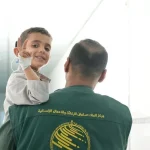 KSrelief’s $1.339B Child Projects Reach 304 Million
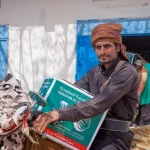 KSrelief Distributes 1,250 Food Baskets in Yemen’s Shabwa
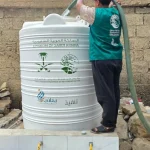 KSrelief Delivers Safe Water to Displaced Families in Taiz
 Saudi Water Authority Launches Campaign to Report Violations
 KSrelief Distributes 1,156 Food Baskets in Yemen’s Aden