


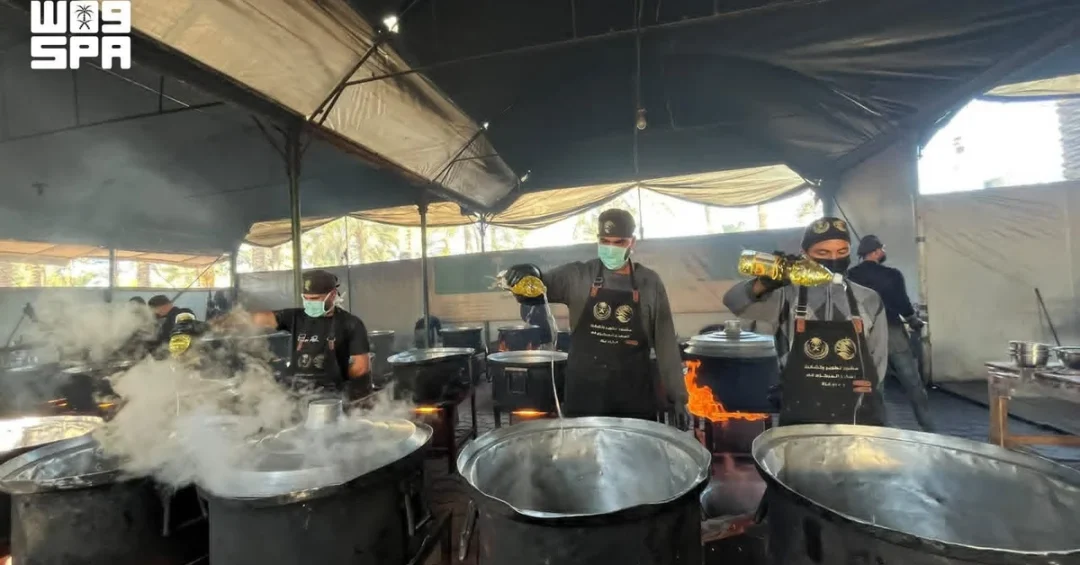
The King Salman Humanitarian Aid and Relief Center (KSrelief) distributed 25,000 hot meals through its central kitchen on Sunday, benefiting 25,000 people in need in central and southern Gaza. The aid was provided as part of the Saudi campaign to support the Palestinian people in Gaza, according to the Saudi Press Agency (SPA). This latest distribution underscores Saudi Arabia’s continued commitment to alleviating the humanitarian crisis in Gaza and reflects the Kingdom’s broader role as a leading global humanitarian donor.
Why does this delivery of 25,000 hot meals matter so much right now? Because it arrives at a time when food insecurity in Gaza remains at critical levels, and sustained access to nutritious meals is a lifeline for thousands of families. The operation, carried out by KSrelief’s central kitchen, is part of a larger Saudi effort that has been ongoing since the current crisis began. It highlights the Kingdom’s focus on practical, life-saving assistance delivered directly to those who need it most. As international agencies warn of dwindling supplies and logistical hurdles, Saudi Arabia’s consistent contributions serve as a beacon of hope and a model of efficient humanitarian action.
Context and Background
How did KSrelief become such a central player in Gaza relief? Established in 2015 by royal decree, KSrelief has grown into one of the world’s most active humanitarian organizations, operating in over 80 countries. Its mandate is to provide aid to those affected by natural disasters and man-made crises, with a particular emphasis on the Palestinian territories. Since the onset of the Gaza crisis, KSrelief has launched multiple campaigns, including the Saudi National Campaign to Support the Palestinian People in Gaza, which has delivered food, medical supplies, and shelter materials. The central kitchen model, which produced the 25,000 meals distributed on Sunday, is a key innovation that allows for rapid, large-scale meal preparation and distribution.
The Kingdom’s humanitarian diplomacy is rooted in Islamic values and a longstanding solidarity with the Palestinian people. Saudi Arabia has consistently advocated for a just and comprehensive solution to the Palestinian issue, and its relief efforts are an extension of that political and moral commitment. Over the years, KSrelief has implemented projects in Gaza worth hundreds of millions of dollars, covering sectors such as health, education, water, and food security. This latest distribution is therefore not an isolated act but part of a sustained, strategic approach to alleviating suffering and building resilience among the most vulnerable populations.
What distinguishes KSrelief’s operations is its emphasis on speed and coordination. The central kitchen in Gaza, for instance, is equipped to produce thousands of meals daily, leveraging local staff and supply chains where possible. This not only ensures that aid reaches beneficiaries quickly but also supports the local economy by creating temporary jobs and sourcing ingredients from local markets when feasible. Such an approach aligns with global best practices in humanitarian response, which prioritize local capacity-building and sustainability. By maintaining a permanent presence and logistical infrastructure, KSrelief can respond to emerging needs without the delays that often hamper international relief efforts.
Key Details of the Distribution
What exactly did the distribution entail? According to the Saudi Press Agency, the 25,000 hot meals were prepared in KSrelief’s central kitchen and distributed to beneficiaries in central and southern Gaza. The meals were designed to be nutritious and culturally appropriate, providing a balanced mix of proteins, carbohydrates, and vegetables. The operation targeted families who have been displaced or are living in temporary shelters, as well as those in host communities who are struggling to meet their daily food needs. Each meal package was sufficient to feed an individual, and the total number of beneficiaries reached 25,000 people.
The distribution was carried out by KSrelief’s field teams in coordination with local partners and volunteers. This collaborative approach ensures that aid reaches the intended recipients efficiently and transparently. The teams followed established humanitarian principles, including impartiality and neutrality, to ensure that assistance is provided based solely on need. The central kitchen operates under strict hygiene and quality control standards, and the meals are prepared with input from nutritionists to meet the dietary requirements of different age groups. This attention to detail reflects KSrelief’s commitment to delivering aid that is not only sufficient in quantity but also high in quality.
How does this distribution fit into the broader Saudi campaign? The Saudi campaign to support the Palestinian people in Gaza is a comprehensive initiative that includes food aid, medical assistance, and infrastructure support. It is funded by the Saudi government and supported by private donations from Saudi citizens and residents. The campaign operates under the direct supervision of KSrelief, which coordinates with the Saudi Ministry of Foreign Affairs and other relevant authorities. The 25,000 meals distributed on Sunday are part of a series of regular distributions that have taken place over recent months. Each distribution is documented and reported through official channels, ensuring transparency and accountability to donors and the public.
International and Regional Impact
How does the international community view Saudi Arabia’s relief efforts? Saudi Arabia’s humanitarian contributions to Gaza have been widely recognized by international organizations and foreign governments. The United Nations and its agencies have praised KSrelief for its role in addressing the humanitarian needs of Palestinians. In various international forums, Saudi Arabia has been cited as a leading donor, and its model of using central kitchens and mobile clinics has been highlighted as an example of innovation in humanitarian response. This positive recognition enhances the Kingdom’s standing as a responsible global actor and reinforces its diplomatic efforts to promote peace and stability in the region.
What are the regional implications of this aid? The distribution of hot meals helps to mitigate the risk of famine and malnutrition, which can have destabilizing effects on the region. By addressing immediate food needs, Saudi Arabia contributes to the overall stability of Gaza and its surroundings. Moreover, the aid serves as a confidence-building measure that can support broader diplomatic initiatives aimed at achieving a lasting ceasefire and a political solution. Saudi Arabia has consistently called for a peaceful resolution to the Palestinian issue, and its humanitarian work complements its diplomatic advocacy. The Kingdom’s efforts also strengthen its relationships with other regional stakeholders who share an interest in stability and humanitarian access.
Could this distribution inspire other nations to increase their contributions? Indeed, Saudi Arabia’s actions often set a precedent for other donors. When the Kingdom steps up its relief efforts, it can encourage others to follow suit, leading to a multiplier effect that benefits more people. The international community has repeatedly called for increased humanitarian funding for Gaza, and Saudi Arabia’s example demonstrates what is possible with political will and effective organization. By maintaining a high profile in humanitarian assistance, the Kingdom also reinforces the importance of burden-sharing and collective responsibility in addressing global crises.
Economic and Strategic Significance
What is the strategic value of Saudi Arabia’s humanitarian aid? Beyond the immediate life-saving impact, humanitarian aid is a tool of soft power that enhances Saudi Arabia’s influence and reputation. It demonstrates the Kingdom’s commitment to Islamic solidarity and its willingness to take concrete action to help those in need. This, in turn, can strengthen Saudi Arabia’s diplomatic leverage in regional and international negotiations. The aid also supports the Kingdom’s long-term goal of fostering a stable and prosperous Middle East, which is essential for its own security and economic interests. By investing in humanitarian relief, Saudi Arabia contributes to creating an environment conducive to peace and development.
How does this align with Saudi Arabia’s economic diversification goals? While humanitarian aid is primarily a moral and political endeavor, it also has economic dimensions. The logistics and supply chains involved in delivering aid can create business opportunities for Saudi companies and enhance the Kingdom’s expertise in logistics and food production. KSrelief’s central kitchen model, for example, relies on efficient procurement and distribution networks that can be adapted for commercial purposes. Furthermore, the positive image generated by humanitarian work can attract foreign investment and tourism, as it showcases Saudi Arabia as a stable and responsible nation. In this way, humanitarian aid indirectly supports the objectives of Vision 2030, which seeks to diversify the economy and enhance the Kingdom’s global standing.
What role do Saudi citizens play in these efforts? The Saudi campaign to support the Palestinian people in Gaza has received generous donations from Saudi citizens and residents through official channels. This popular participation reflects the deep-rooted solidarity with the Palestinian cause among the Saudi people. KSrelief facilitates these donations and ensures they are used effectively. The involvement of the public also fosters a sense of national unity and pride, as Saudis see their contributions making a tangible difference. This participatory approach is a hallmark of Saudi humanitarianism and contributes to social cohesion and national identity.
Vision 2030 Alignment
How does this relief effort connect to Vision 2030? Saudi Arabia’s Vision 2030 is a comprehensive plan to transform the Kingdom into a diversified, modern economy and a global leader in various fields. While Vision 2030 focuses primarily on domestic development, its principles of global engagement, humanitarianism, and responsible leadership extend to the Kingdom’s foreign policy. KSrelief’s work in Gaza exemplifies these principles by projecting Saudi Arabia as a compassionate and effective global actor. It aligns with the Vision’s goal of enhancing Saudi Arabia’s international standing and promoting peace and stability. By helping those in need, the Kingdom reinforces its role as a pillar of stability in the region and a responsible member of the international community.
What does the future hold for Saudi humanitarian aid? As Saudi Arabia continues to advance its Vision 2030 agenda, its humanitarian efforts are likely to expand and evolve. The Kingdom is investing in technology and innovation to improve the efficiency of aid delivery, and KSrelief is at the forefront of these efforts. The central kitchen model is just one example of how Saudi Arabia is modernizing its relief operations. In the coming years, we can expect to see more innovative approaches, such as the use of drones for medical deliveries and digital platforms for donor engagement. These advancements will further enhance the impact of Saudi aid and solidify the Kingdom’s reputation as a global humanitarian leader. Ultimately, the distribution of 25,000 hot meals in Gaza is a testament to Saudi Arabia’s enduring commitment to helping the Palestinian people and to its broader vision of a peaceful and prosperous world.
20 Questions
Q1. What is KSrelief and what does it do?
A1. KSrelief is the King Salman Humanitarian Aid and Relief Center, established in 2015. It provides humanitarian assistance worldwide, including food, medical aid, and shelter, with a focus on crisis-affected regions like Gaza.
Q2. How many hot meals were distributed in Gaza on Sunday?
A2. KSrelief distributed 25,000 hot meals through its central kitchen, benefiting 25,000 people in central and southern Gaza as part of the Saudi campaign to support the Palestinian people.
Q3. Where exactly were the meals distributed?
A3. The meals were distributed in central and southern Gaza, targeting displaced families and those in need, according to the Saudi Press Agency.
Q4. What is the Saudi campaign to support the Palestinian people?
A4. It is a comprehensive humanitarian initiative funded by Saudi Arabia to provide food, medical supplies, and other aid to Palestinians in Gaza, coordinated by KSrelief.
Q5. Why is this distribution significant?
A5. It addresses critical food insecurity in Gaza, providing immediate relief to thousands and demonstrating Saudi Arabia’s continued commitment to humanitarian causes.
Q6. How does KSrelief ensure the meals are nutritious?
A6. Meals are prepared under nutritionist guidance, with a balanced mix of proteins, carbohydrates, and vegetables, and adhere to strict hygiene standards.
Q7. Who benefits from these meals?
A7. Displaced families, individuals in temporary shelters, and vulnerable host community members in central and southern Gaza benefit from the meals.
Q8. How does this aid align with Saudi Arabia’s foreign policy?
A8. It reflects Saudi Arabia’s commitment to Islamic solidarity, regional stability, and its role as a responsible global humanitarian leader.
Q9. What other aid has Saudi Arabia provided to Gaza?
A9. Saudi Arabia has delivered medical supplies, shelter materials, and food aid, and has funded hospitals and infrastructure projects in Gaza.
Q10. How is the distribution coordinated?
A10. KSrelief field teams coordinate with local partners and volunteers, following humanitarian principles of impartiality and neutrality to ensure aid reaches those in need.
Q11. What is the central kitchen model?
A11. It is a facility where large-scale meal preparation occurs, allowing KSrelief to produce thousands of hot meals daily for rapid distribution.
Q12. How does this aid impact the region?
A12. It helps mitigate famine risk, supports stability, and complements diplomatic efforts toward peace, enhancing Saudi Arabia’s regional influence.
Q13. Is this aid part of Vision 2030?
A13. Yes, it aligns with Vision 2030’s goals of global engagement and responsible leadership, showcasing Saudi Arabia as a compassionate global actor.
Q14. How can other nations support similar efforts?
A14. Nations can contribute funding, logistics, or personnel to humanitarian agencies, following Saudi Arabia’s example of sustained and coordinated aid.
Q15. What is the source of funding for this aid?
A15. The aid is funded by the Saudi government and private donations from Saudi citizens and residents, channeled through KSrelief.
Q16. How does KSrelief select beneficiaries?
A16. Beneficiaries are selected based on need, with priority given to displaced families and those in acute food insecurity, in coordination with local authorities.
Q17. What challenges does KSrelief face in Gaza?
A17. Logistical constraints, security concerns, and access restrictions pose challenges, but KSrelief works with partners to overcome them.
Q18. How does this aid affect Saudi Arabia’s international standing?
A18. It enhances Saudi Arabia’s reputation as a leading humanitarian donor, earning praise from international organizations and strengthening diplomatic ties.
Q19. What future plans does KSrelief have for Gaza?
A19. KSrelief plans to continue regular food distributions and expand medical and infrastructure projects, depending on needs and access.
Q20. How can individuals contribute to this cause?
A20. Individuals can donate through KSrelief’s official channels, including its website and bank accounts, to support the Saudi campaign for Gaza.
Reader Feedback
We value your thoughts. Please share your feedback on this article.
Your feedback helps us improve our coverage.
Related articles
 Gaza Rains Kill Eight, Destroy Thousands of Tents
 Crown Prince Chairs Cabinet Session in Riyadh
 KSrelief Launches Two Volunteer Programs in Sudan
 Arab League Condemns Renewed Iranian Attacks on Bahrain
 KSrelief Distributes 1,250 Food Baskets in Yemen’s Marib
 MWL Condemns Iranian Aggressions Against Bahrain