


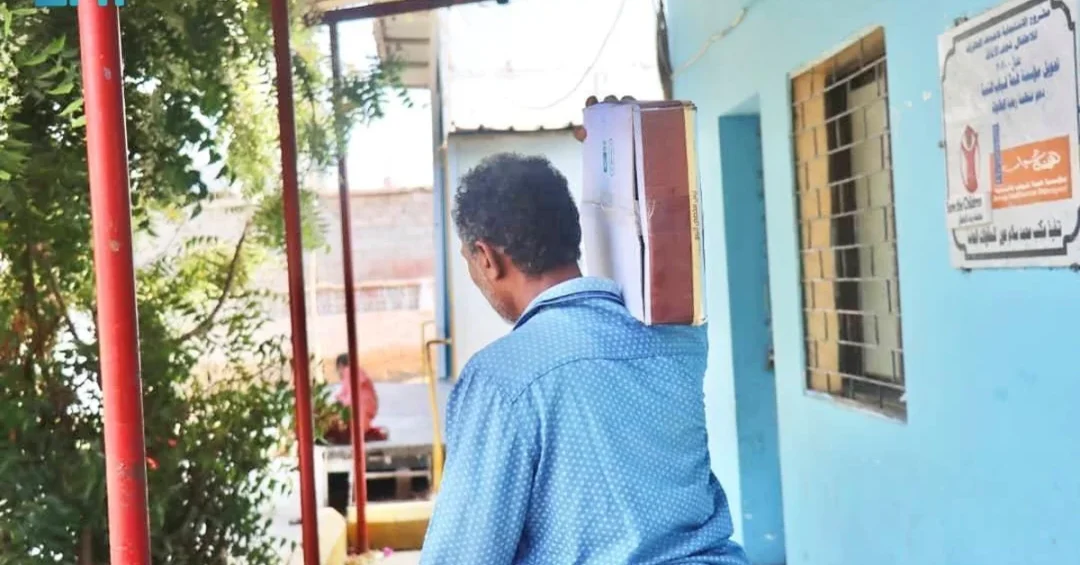
The King Salman Humanitarian Aid and Relief Centre (KSrelief) distributed 3,800 cartons of dates in Yemen’s Aden Governorate on March 19, 2025, benefiting 22,800 individuals, including displaced persons and people with special needs. The aid is part of KSrelief’s date assistance distribution project in Yemen for 2025, reflecting Saudi Arabia’s ongoing commitment to alleviating the suffering of vulnerable populations worldwide.
Context and Background
Yemen has faced a protracted humanitarian crisis for over a decade, with widespread displacement, food insecurity, and limited access to basic services. In response, Saudi Arabia, through KSrelief, has been one of the largest donors of humanitarian aid to Yemen, providing food, medical care, and shelter to millions. The date distribution project is a key component of this effort, leveraging dates as a nutritious and culturally appropriate food source.
KSrelief, established in 2015 by royal decree, operates under the mandate of King Salman bin Abdulaziz Al Saud and Crown Prince Mohammed bin Salman bin Abdulaziz Al Saud. It implements relief projects in over 80 countries, often in partnership with local and international organizations, to ensure aid reaches those most in need.
Key Details
The distribution took place in Aden Governorate, a region hosting a significant number of internally displaced persons (IDPs) due to the conflict. The 3,800 cartons of dates were provided to 22,800 individuals, with a focus on displaced families and people with disabilities. Each carton contains high-quality dates, offering essential calories and nutrients.
This initiative is part of KSrelief’s broader date assistance distribution project for 2025 in Yemen, which aims to deliver thousands of tons of dates across multiple governorates. The project is coordinated with Yemeni local authorities and humanitarian partners to ensure efficient and transparent delivery.
Implications and Impact
The distribution addresses immediate food needs while also supporting local economies by sourcing dates from Saudi farms and utilizing local transportation and distribution networks. This approach fosters community resilience and aligns with Saudi Arabia’s vision of sustainable humanitarian aid.
Internationally, the project reinforces Saudi Arabia’s role as a leading humanitarian donor, particularly in the Middle East. It also strengthens ties with Yemen, demonstrating Saudi Arabia’s commitment to regional stability and the well-being of the Yemeni people.
Vision 2030 Alignment
This humanitarian initiative underscores Saudi Arabia’s Vision 2030 goal of becoming a global leader in humanitarian and developmental aid. By enhancing food security in Yemen, KSrelief contributes to the Kingdom’s broader objectives of promoting peace, prosperity, and sustainable development in the region and beyond.
20 Questions
Q1. What organization distributed the dates in Yemen?
A1. The King Salman Humanitarian Aid and Relief Centre (KSrelief), a Saudi humanitarian agency, carried out the distribution.
Q2. How many cartons of dates were distributed?
A2. Exactly 3,800 cartons of dates were distributed in Aden Governorate.
Q3. How many individuals benefited from this aid?
A3. The initiative benefited 22,800 individuals, including displaced persons and people with special needs.
Q4. Where did the distribution take place?
A4. The distribution occurred in Yemen’s Aden Governorate, an area hosting many displaced families.
Q5. When was the distribution carried out?
A5. The distribution took place on March 19, 2025, as reported by the Saudi Press Agency.
Q6. What is the purpose of KSrelief’s date assistance project?
A6. The project aims to provide nutritious food to vulnerable populations in Yemen and alleviate their suffering.
Q7. Who are the primary beneficiaries of this aid?
A7. Displaced persons and people with special needs are the primary beneficiaries of this distribution.
Q8. How does this project fit into Saudi Arabia’s humanitarian efforts?
A8. It is part of Saudi Arabia’s broader humanitarian and relief efforts to support vulnerable populations worldwide.
Q9. Which year does this specific distribution belong to?
A9. This distribution is part of KSrelief’s date assistance distribution project in Yemen for 2025.
Q10. What is the King Salman Humanitarian Aid and Relief Centre?
A10. KSrelief is a Saudi humanitarian organization established in 2015 to provide aid globally under the leadership of King Salman.
Q11. How does KSrelief ensure aid reaches those in need?
A11. KSrelief partners with local authorities and international organizations to coordinate and deliver aid efficiently and transparently.
Q12. Why are dates chosen for distribution?
A12. Dates are a nutritious, culturally appropriate food source that provides essential calories and nutrients.
Q13. What impact does this distribution have on local communities?
A13. It addresses immediate food needs, supports local economies through sourcing and logistics, and fosters community resilience.
Q14. How does this project align with Vision 2030?
A14. It supports Vision 2030’s goal of making Saudi Arabia a global leader in humanitarian and developmental aid.
Q15. Which Saudi official oversees KSrelief?
A15. KSrelief operates under the mandate of King Salman bin Abdulaziz Al Saud and Crown Prince Mohammed bin Salman bin Abdulaziz Al Saud.
Q16. In how many countries does KSrelief operate?
A16. KSrelief implements relief projects in over 80 countries around the world.
Q17. What is the significance of Aden Governorate for this distribution?
A17. Aden hosts a large number of internally displaced persons, making it a priority area for humanitarian assistance.
Q18. How does this aid strengthen Saudi-Yemeni relations?
A18. It demonstrates Saudi Arabia’s commitment to the well-being of Yemeni people, enhancing bilateral ties and regional stability.
Q19. What is the source of the dates distributed?
A19. The dates are sourced from Saudi farms, supporting Saudi agriculture and ensuring high quality.
Q20. What is the expected outcome of this distribution?
A20. The distribution will provide immediate food relief, improve nutrition, and contribute to the overall humanitarian effort in Yemen.
Reader Feedback
We value your thoughts. Please share your feedback on this article.
Your feedback helps us improve our coverage.
Related articles
 Saudi Vice Foreign Minister Meets South Sudanese Counterpart
 KSrelief Distributes 700 Food Baskets in Tajikistan
 Saudi Vice Foreign Minister Meets Ethiopian Counterpart
 Saudi Ministry Hosts Ramadan Iftar for 12,000 in Cameroon
 Saudi Crown Prince Receives Call from UK Prime Minister
 South Sudan President Receives Saudi Vice Foreign Minister