


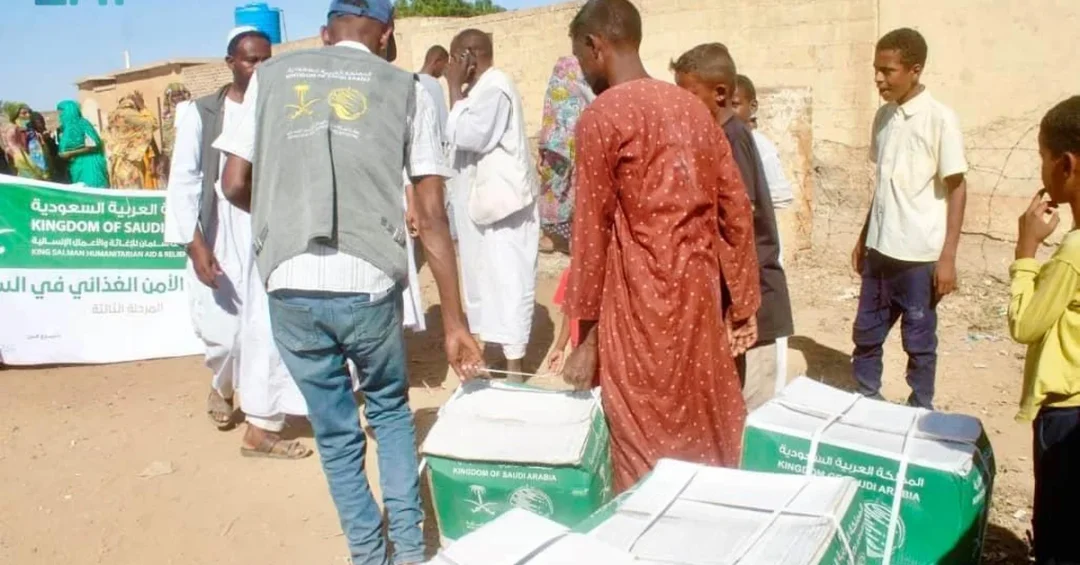
The King Salman Humanitarian Aid and Relief Center (KSrelief) distributed 500 food baskets to the most vulnerable displaced families in Kassala State, Republic of Sudan, on December 8, 2024, delivering essential food supplies to 3,000 individuals as part of the third phase of the Food Security Support Project in Sudan for 2024. The distribution, announced by the Saudi Press Agency, represents the latest step in the Kingdom of Saudi Arabia’s sustained humanitarian engagement with the Sudanese people during a period of acute national hardship, and it underscores the operational reach of Saudi relief agencies across the region.
Why does a single food distribution in eastern Sudan matter on the wider stage of international humanitarian policy? Because it demonstrates how Saudi Arabia, through KSrelief, continues to translate its humanitarian commitments into tangible support for communities facing displacement and food insecurity. The operation in Kassala State was carried out under the direct supervision of KSrelief field teams, in coordination with local authorities, ensuring that assistance reached families identified as most in need. The aid forms part of a broader national effort by the Kingdom to strengthen food security and alleviate suffering among displaced populations in Sudan.
Context and Background
What circumstances have made humanitarian assistance so urgently necessary in Sudan? Since the outbreak of conflict in April 2023, large numbers of Sudanese citizens have been forced to leave their homes, with many seeking safety in states such as Kassala, which lies in the country’s east and has absorbed significant numbers of displaced families. The disruption of livelihoods, markets, and agricultural production has compounded food insecurity across multiple regions, creating conditions in which international and regional humanitarian actors have scaled up their operations.
Saudi Arabia has been among the most active responders to this crisis. Through KSrelief, the Kingdom has implemented a series of food security and relief projects in Sudan, of which the Food Security Support Project represents a central component. The project is structured in phases, with each phase targeting specific states and beneficiary groups. The third phase for 2024 focuses on reaching displaced families in Kassala State, where needs have remained high throughout the year.
The Kingdom’s humanitarian diplomacy is not new. KSrelief was established in 2015 to consolidate Saudi Arabia’s relief and humanitarian work under a single specialized institution, and it has since operated in dozens of countries across Asia, Africa, and the Middle East. Its mandate includes emergency relief, food security, health care, shelter, and water and sanitation programs, implemented in partnership with national authorities, United Nations agencies, and international nongovernmental organizations. In Sudan, this institutional approach has allowed Saudi assistance to be delivered consistently even as the operating environment has become more difficult.
Key Details of the Kassala Distribution
How exactly was the assistance delivered, and who benefited? According to the Saudi Press Agency, KSrelief distributed 500 food baskets to the most vulnerable displaced families in Kassala State. Each basket is designed to cover the basic nutritional needs of a family for a defined period, and the total distribution reached 3,000 individuals across the 500 families. The operation was conducted as part of the third phase of the Food Security Support Project in Sudan for 2024, following earlier phases that targeted other locations and beneficiary groups.
The selection of beneficiaries reflects a needs-based approach. KSrelief field teams work with local partners to identify families facing the greatest hardship, including those who have been displaced multiple times, households headed by women, and families with limited access to income or markets. This targeting methodology is intended to ensure that aid reaches those least able to meet their own food needs and to avoid duplication with other humanitarian actors operating in the same areas.
The distribution also illustrates the logistical capacity that KSrelief has built over years of operations. Delivering food baskets in Kassala requires procurement, transport, storage, and last-mile distribution in an environment where infrastructure and security conditions can be challenging. The successful completion of the distribution reflects coordination between KSrelief, Sudanese authorities, and local community structures, and it provides a foundation for subsequent phases of the project.
International and Regional Impact
What does Saudi Arabia’s continued humanitarian engagement in Sudan signal to the wider region? It signals that the Kingdom remains committed to stability and human welfare in its neighborhood, even when political and security conditions are complex. Sudan is a strategically significant country in the Red Sea region, and its stability has implications for trade routes, migration patterns, and regional security. By addressing food insecurity among displaced populations, Saudi assistance contributes to reducing pressure on host communities and mitigating some of the secondary effects of the crisis.
The Kassala distribution also complements broader international efforts. United Nations agencies and international nongovernmental organizations have repeatedly warned that Sudan faces one of the world’s most severe humanitarian crises, with millions of people in need of assistance. Saudi Arabia’s contributions through KSrelief form part of the global response, and they are frequently cited by international partners as an example of sustained engagement from a regional actor. The Kingdom’s participation in humanitarian coordination mechanisms allows its assistance to be integrated with wider response plans, improving efficiency and coverage.
From a diplomatic perspective, the operation reinforces Saudi Arabia’s position as a responsible international stakeholder. The Kingdom has hosted peace talks and humanitarian conferences on Sudan, and its relief work is conducted in parallel with diplomatic efforts to encourage dialogue and de-escalation. This combination of humanitarian action and political engagement reflects a comprehensive approach to regional crises, one that prioritizes the protection of civilians and the restoration of normal life.
Economic and Strategic Significance
Why is food security support in Sudan relevant to Saudi Arabia’s broader economic and strategic interests? Food insecurity can exacerbate displacement, destabilize communities, and create conditions that disrupt trade and investment across the region. By strengthening food security in Sudan, Saudi Arabia contributes to a more stable environment in a country that shares a Red Sea coastline and maintains deep historical and economic ties with the Kingdom. Stability in Sudan supports the flow of goods and people through Red Sea corridors, which are vital to global and regional commerce.
The Food Security Support Project also reflects Saudi Arabia’s growing role in global food security policy. The Kingdom has invested in agricultural development, food supply chains, and humanitarian food assistance as part of its long-term strategic planning. Through KSrelief, Saudi Arabia is able to respond to emergencies while also building experience and partnerships that inform its broader food security agenda. This dual approach—emergency relief combined with strategic investment—is consistent with the Kingdom’s emphasis on resilience and sustainability.
In addition, the Kassala operation demonstrates the value of Saudi humanitarian branding in international affairs. KSrelief is widely recognized as a professional and impartial relief organization, and its work in Sudan enhances the Kingdom’s soft power and reputation. For international audiences, including policymakers, journalists, and humanitarian professionals, the distribution of food baskets in Kassala is a concrete example of Saudi Arabia’s contributions to global welfare, complementing its economic and diplomatic initiatives.
Vision 2030 Alignment
How does a humanitarian distribution in Sudan connect to Saudi Vision 2030? Vision 2030 is a comprehensive national transformation plan that includes a strong international dimension, emphasizing Saudi Arabia’s role as a responsible global actor and its commitment to humanitarian values. KSrelief is a key instrument of this vision, projecting the Kingdom’s humanitarian principles abroad while also fostering partnerships and goodwill that support its international objectives. The Food Security Support Project in Sudan is therefore not separate from Vision 2030—it is an expression of it.
The project also aligns with Vision 2030’s focus on sustainable development and regional cooperation. By addressing immediate food needs while supporting local systems and coordination, KSrelief’s work contributes to longer-term resilience in Sudan. As the third phase of the 2024 project reaches completion, the Kingdom’s humanitarian institutions will continue to monitor needs and plan future phases, consistent with their mandate to alleviate suffering and promote stability. For international observers, the Kassala distribution is a reminder that Saudi Arabia’s global role extends beyond economics and energy to include a deep and sustained commitment to humanitarian action.
20 Questions
Q1. What did KSrelief distribute in Kassala State, Sudan?
A1. KSrelief distributed 500 food baskets to the most vulnerable displaced families in Kassala State, Sudan, providing essential food supplies to those in need as part of its ongoing humanitarian efforts in the country.
Q2. How many individuals benefited from the food basket distribution?
A2. The distribution benefited 3,000 individuals, representing 500 families. The food baskets were designed to cover basic nutritional needs and were provided to the most vulnerable displaced families in Kassala State.
Q3. When did the distribution take place?
A3. The distribution took place on December 8, 2024, according to the Saudi Press Agency. The announcement was made on December 9, 2024, detailing the completion of this phase of the project.
Q4. What is the Food Security Support Project in Sudan?
A4. The Food Security Support Project in Sudan is a KSrelief initiative that provides food assistance to vulnerable populations. The Kassala distribution is part of its third phase for 2024, following earlier phases in other locations.
Q5. Why is Kassala State significant for this aid operation?
A5. Kassala State, in eastern Sudan, has absorbed many displaced families since the conflict began in April 2023. It is a priority area for humanitarian assistance due to the high number of vulnerable people.
Q6. Who is responsible for implementing the distribution?
A6. The King Salman Humanitarian Aid and Relief Center (KSrelief) implemented the distribution, working with local authorities and partners to identify beneficiaries and ensure aid reached those most in need.
Q7. How does this aid relate to Saudi Arabia’s humanitarian policy?
A7. It reflects Saudi Arabia’s ongoing commitment to alleviating suffering and boosting food security in the region. KSrelief is the Kingdom’s primary humanitarian arm, carrying out relief projects worldwide.
Q8. What is the current humanitarian situation in Sudan?
A8. Sudan faces a severe humanitarian crisis with widespread displacement and food insecurity. Millions of people require assistance, and international and regional organizations are working to address urgent needs across the country.
Q9. How does KSrelief select beneficiaries for its food distributions?
A9. KSrelief field teams coordinate with local authorities and partners to identify the most vulnerable families, including displaced households, female-headed households, and those with limited access to income or markets.
Q10. What is included in a KSrelief food basket?
A10. KSrelief food baskets typically contain basic food items such as flour, rice, oil, sugar, and other staples designed to meet a family’s nutritional needs for a specific period.
Q11. How many phases does the Food Security Support Project have?
A11. The project is implemented in phases, with the Kassala distribution forming part of the third phase for 2024. Each phase targets specific states and beneficiary groups based on assessed needs.
Q12. What role does Saudi Arabia play in Sudan’s humanitarian response?
A12. Saudi Arabia, through KSrelief, is a major donor and implementer of humanitarian assistance in Sudan, providing food, health care, shelter, and other essential support to affected populations.
Q13. How does this distribution support regional stability?
A13. By addressing food insecurity among displaced families, the aid helps reduce pressure on host communities and mitigates factors that can lead to further displacement and instability in the region.
Q14. Is KSrelief working with international partners in Sudan?
A14. Yes, KSrelief coordinates with United Nations agencies, international nongovernmental organizations, and local authorities to ensure its assistance is integrated with broader humanitarian response efforts.
Q15. What is the significance of the number 500 food baskets?
A15. The 500 food baskets represent a targeted intervention reaching 3,000 individuals. It is one component of a larger project that aims to support thousands of vulnerable people across Sudan.
Q16. How does this aid align with Saudi Vision 2030?
A16. Vision 2030 emphasizes Saudi Arabia’s role as a responsible global actor. KSrelief’s humanitarian work, including the Sudan project, projects the Kingdom’s values and supports its international partnerships.
Q17. What other types of assistance does KSrelief provide in Sudan?
A17. KSrelief provides food security support, health care, shelter, water and sanitation, and other emergency relief. Its projects are designed to address multiple dimensions of humanitarian need.
Q18. How can other organizations support Sudan’s humanitarian needs?
A18. Organizations can contribute through coordinated humanitarian funding, in-kind donations, and operational partnerships. KSrelief’s model emphasizes coordination with local and international actors to maximize impact.
Q19. What is the expected outcome of the Food Security Support Project?
A19. The project aims to improve food security among vulnerable populations, reduce hunger, and support resilience. The Kassala distribution is a step toward these objectives, with further phases planned.
Q20. How does the Kassala distribution reflect Saudi Arabia’s global humanitarian role?
A20. It demonstrates Saudi Arabia’s sustained commitment to humanitarian action through KSrelief, reinforcing the Kingdom’s reputation as a reliable partner in international relief and development efforts.
Reader Feedback
We value your thoughts. Please share your feedback on this article.
Your feedback helps us improve our coverage.
Related articles
 British PM Starmer Arrives in Riyadh for Key Talks
 Saudi Arabia, Italy Discuss Judicial Cooperation
 KSrelief Distributes Shelter Aid in Afghanistan
 KSrelief Distributes Dates to Vulnerable Groups in Yemen
 MWL Secretary-General Meets with US Congress Members
 KSrelief Masam Project Clears 808 Explosives in Yemen in a Week