


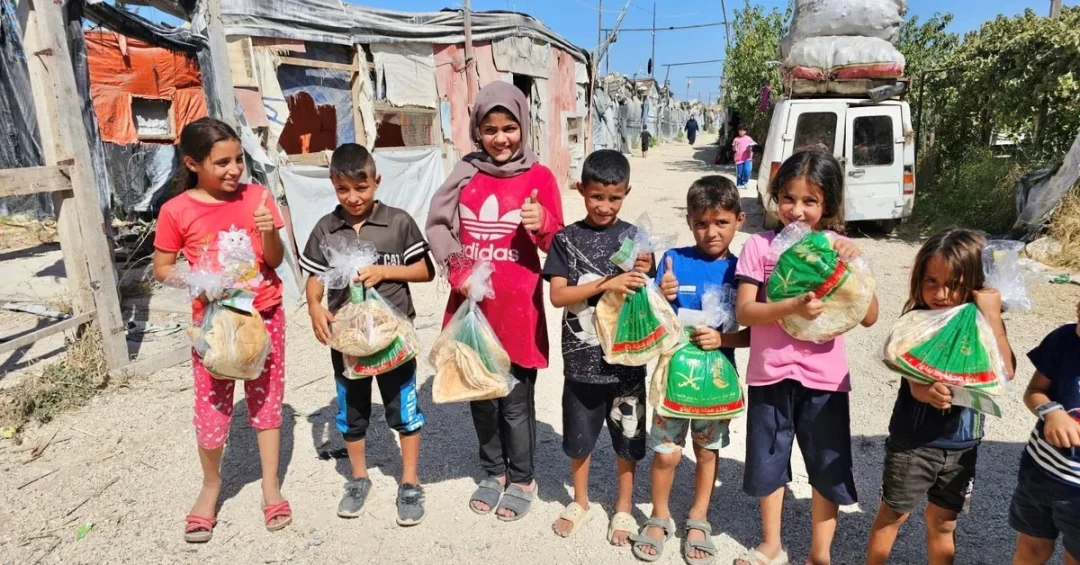
The King Salman Humanitarian Aid and Relief Center (KSrelief) has distributed 25,000 bags of bread to 12,500 families in Northern Lebanon as part of its ongoing Al-Amal Charitable Bakery Project. The distribution, which took place between September 12 and 18, 2024, benefited needy Syrians, Palestinians, and the local host community, according to the Saudi Press Agency (SPA). The initiative underscores the Kingdom of Saudi Arabia’s continued commitment to providing humanitarian assistance to refugees and vulnerable populations in Lebanon and around the world.
Context and Background
The Al-Amal Charitable Bakery Project in Northern Lebanon is a key component of KSrelief’s broader humanitarian efforts in the region. Lebanon hosts a significant number of refugees, including Syrians and Palestinians, who face challenging living conditions. The project aims to alleviate food insecurity by providing daily bread to those in need. Since its inception, the bakery project has been a lifeline for thousands of families, ensuring access to a basic staple. This initiative is part of Saudi Arabia’s longstanding tradition of humanitarian giving, which is rooted in the Kingdom’s values and its commitment to supporting those affected by crises. KSrelief, established in 2015, has since become a leading global humanitarian organization, delivering aid in over 80 countries. In Lebanon, KSrelief has implemented numerous projects in sectors such as food security, health, education, and shelter, often in coordination with local and international partners.
Key Details
Between September 12 and 18, 2024, KSrelief distributed 25,000 bags of bread through the Al-Amal Charitable Bakery Project. These distributions reached 12,500 families, comprising Syrians, Palestinians, and members of the Lebanese host community. Each family received two bags of bread, ensuring a steady supply of this essential food item. The project operates bakeries in Northern Lebanon that produce fresh bread daily, which is then distributed to beneficiaries. This approach not only provides immediate relief but also supports local employment and economic activity. The distribution is part of KSrelief’s continuous efforts to help refugees wherever they are displaced, reflecting the Kingdom’s unwavering humanitarian stance. The Saudi Press Agency reported that the project is funded entirely by the Kingdom of Saudi Arabia, demonstrating its commitment to international humanitarian causes.
Implications and Impact
The distribution of bread to 12,500 families has significant implications for food security in Northern Lebanon. For many refugee families, bread is a dietary staple, and access to free or subsidized bread can free up limited resources for other necessities such as healthcare and education. This initiative also helps to reduce tensions between refugees and host communities by ensuring that vulnerable members of both groups receive assistance. By supporting local bakeries, the project contributes to the local economy, creating jobs and sustaining small businesses. On a broader scale, KSrelief’s work in Lebanon demonstrates Saudi Arabia’s role as a responsible global actor, committed to addressing humanitarian crises through practical, on-the-ground assistance. The Kingdom’s efforts are often carried out in partnership with United Nations agencies and other international organizations, amplifying their impact. The Al-Amal project also aligns with the global Sustainable Development Goals, particularly Goal 2 (Zero Hunger) and Goal 17 (Partnerships for the Goals).
Vision 2030 Alignment
This humanitarian initiative reflects Saudi Arabia’s Vision 2030, which emphasizes the Kingdom’s role as a global leader in humanitarian and development aid. Vision 2030 aims to diversify the economy and enhance Saudi Arabia’s international standing, including through increased humanitarian contributions. Under the leadership of the Custodian of the Two Holy Mosques, King Salman bin Abdulaziz Al Saud, and His Royal Highness Crown Prince Mohammed bin Salman, the Kingdom has scaled up its humanitarian efforts, with KSrelief at the forefront. The Al-Amal Charitable Bakery Project in Lebanon is a testament to Saudi Arabia’s commitment to helping those in need, regardless of nationality or background. By supporting refugees and host communities, the Kingdom not only provides immediate relief but also contributes to long-term stability and prosperity in the region. This aligns with Vision 2030’s goal of fostering a more peaceful and prosperous world, reinforcing Saudi Arabia’s position as a beacon of generosity and compassion.
20 Questions
Q1. What is the Al-Amal Charitable Bakery Project?
A1. The Al-Amal Charitable Bakery Project is a KSrelief initiative in Northern Lebanon that provides bread to needy families. It operates bakeries that produce fresh bread daily for distribution to refugees and host communities, helping to alleviate food insecurity and support local economies.
Q2. How many families benefited from the recent bread distribution?
A2. The recent distribution benefited 12,500 families. These families received a total of 25,000 bags of bread, ensuring they have access to this essential food item for their daily needs.
Q3. What nationalities are among the beneficiaries?
A3. Beneficiaries include needy Syrians, Palestinians, and members of the Lebanese host community. KSrelief’s assistance is provided without discrimination, reflecting the Kingdom’s humanitarian principles of helping all those in need.
Q4. When did the distribution take place?
A4. The distribution took place between September 12 and 18, 2024. This week-long effort is part of ongoing monthly distributions under the Al-Amal project.
Q5. Which organization is responsible for the distribution?
A5. The King Salman Humanitarian Aid and Relief Center (KSrelief) is responsible. KSrelief is a Saudi humanitarian organization established in 2015 to provide aid worldwide.
Q6. What is KSrelief’s main mission?
A6. KSrelief’s mission is to provide humanitarian aid and relief to people affected by crises, disasters, and poverty around the world. It operates in over 80 countries, focusing on food security, health, education, and shelter.
Q7. Why is bread distribution important in Lebanon?
A7. Bread is a staple food in Lebanon, but many refugee families struggle to afford it. Free bread distributions help ensure food security, reduce financial burdens, and prevent malnutrition among vulnerable populations.
Q8. How does the project support the local economy?
A8. The project operates local bakeries, creating jobs for Lebanese workers and sourcing ingredients locally. This stimulates economic activity and helps small businesses in Northern Lebanon.
Q9. Is this project part of Saudi Arabia’s Vision 2030?
A9. Yes, it aligns with Vision 2030, which emphasizes Saudi Arabia’s global humanitarian role. Vision 2030 aims to increase the Kingdom’s international aid and promote stability and prosperity worldwide.
Q10. How does KSrelief coordinate its efforts in Lebanon?
A10. KSrelief coordinates with local authorities, UN agencies, and international NGOs to ensure aid reaches those most in need. This collaboration enhances efficiency and avoids duplication of efforts.
Q11. What other projects does KSrelief implement in Lebanon?
A11. KSrelief implements projects in food security, health, education, and shelter. These include mobile clinics, school rehabilitation, and winterization kits for refugees.
Q12. How many bags of bread were distributed per family?
A12. Each family received two bags of bread. The 25,000 bags were distributed among 12,500 families, ensuring an equitable share for each household.
Q13. What is the significance of the project’s name ‘Al-Amal’?
A13. ‘Al-Amal’ means ‘hope’ in Arabic. The name reflects the project’s goal of bringing hope to vulnerable communities by addressing their basic food needs.
Q14. How does this initiative reflect Saudi Arabia’s humanitarian values?
A14. It demonstrates the Kingdom’s commitment to helping those in need, regardless of nationality or religion. Saudi Arabia has a long tradition of charitable giving, rooted in Islamic values and humanitarian principles.
Q15. Are there any other Saudi humanitarian projects in Lebanon?
A15. Yes, KSrelief has implemented numerous projects in Lebanon, including health care, education, and shelter assistance. These are part of Saudi Arabia’s broader regional humanitarian strategy.
Q16. How can other countries support similar initiatives?
A16. Other countries can support similar initiatives by partnering with KSrelief, donating funds, or implementing their own humanitarian projects. Collaboration is key to addressing global crises effectively.
Q17. What impact does this distribution have on refugees?
A17. It provides immediate relief by ensuring access to bread, a daily necessity. This frees up resources for other needs like healthcare and education, improving overall quality of life for refugee families.
Q18. Does KSrelief receive funding from the Saudi government?
A18. Yes, KSrelief is primarily funded by the Saudi government. It also accepts donations from individuals and organizations, both within Saudi Arabia and internationally.
Q19. How does KSrelief ensure aid reaches the most vulnerable?
A19. KSrelief conducts needs assessments and works with local partners to identify vulnerable families. It uses transparent distribution mechanisms to ensure aid reaches those who need it most.
Q20. What is the long-term goal of the Al-Amal project?
A20. The long-term goal is to achieve sustainable food security for refugees and host communities in Northern Lebanon. By operating bakeries and providing free bread, it aims to reduce dependency and improve living standards.
Reader Feedback
We value your thoughts. Please share your feedback on this article.
Your feedback helps us improve our coverage.