


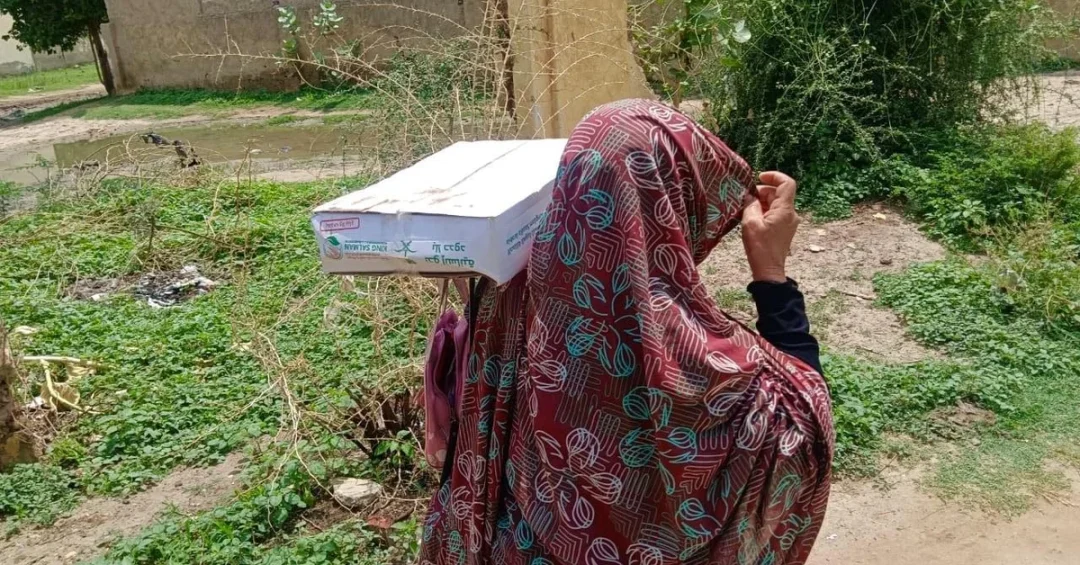
The King Salman Humanitarian Aid and Relief Center (KSrelief) has distributed 1,500 cartons of dates to 8,260 returnees and affected individuals in Sudan’s White Nile State, as part of the 2026 Madad Project, according to the Saudi Press Agency (SPA). This latest delivery underscores Saudi Arabia’s ongoing commitment to alleviating the humanitarian crisis in Sudan, which has displaced millions and left many in urgent need of food and basic supplies.
Context and Background
Sudan has been grappling with a severe humanitarian crisis since the outbreak of conflict in April 2023, which has triggered widespread displacement, food insecurity, and a breakdown of essential services. In response, the Kingdom of Saudi Arabia, through KSrelief, has launched a series of targeted aid initiatives, including the Madad Project, designed to provide relief to the most vulnerable populations. The White Nile State, located in southern Sudan, hosts a significant number of returnees and internally displaced persons who have fled violence in other regions.
KSrelief, established in 2015 by royal decree, serves as Saudi Arabia’s primary humanitarian arm, coordinating aid across more than 90 countries. Its operations in Sudan have included food distribution, medical assistance, and shelter support, reflecting the Kingdom’s principle of impartial humanitarian action. The dates distribution specifically addresses nutritional needs, providing a staple food that is both culturally significant and high in energy value.
Key Details of the Distribution
The recent distribution in White Nile State is part of the larger Madad Project, which has been active throughout 2026. Each carton of dates weighs approximately 25 kilograms, ensuring a substantial supply for each beneficiary family. The 1,500 cartons were allocated to returnees and affected individuals identified by local authorities in coordination with KSrelief’s field teams. The operation was carried out in a timely manner, with logistics coordinated to ensure safe and equitable distribution.
KSrelief’s field reports confirm that the distribution reached its intended recipients, with no reported incidents or complications. The center’s staff, along with local volunteers, managed the process efficiently, maintaining transparency and accountability. This delivery follows similar distributions in other Sudanese states, including Khartoum and Darfur, demonstrating the project’s comprehensive scope.
Implications and Impact
The humanitarian assistance provided by KSrelief in Sudan carries significant implications for regional stability and international cooperation. By addressing immediate food needs, the Kingdom contributes to mitigating the risk of further displacement and social unrest. Moreover, Saudi Arabia’s continued engagement in Sudan reinforces its role as a reliable partner in humanitarian diplomacy, often bridging gaps left by other international actors.
For the beneficiaries, the arrival of dates represents more than just food; it is a symbol of hope and solidarity. Many returnees have expressed gratitude for the support, noting that such aid helps them rebuild their lives with dignity. The operation also enhances the visibility of Saudi aid efforts, countering negative narratives and showcasing the Kingdom’s proactive approach to global crises.
Vision 2030 Alignment
This humanitarian initiative aligns seamlessly with the goals of Saudi Vision 2030, which emphasizes the Kingdom’s role as a global leader in providing aid and fostering international partnerships. Vision 2030 explicitly calls for expanding humanitarian programs and strengthening Saudi Arabia’s presence in global relief efforts. By delivering aid to Sudan, KSrelief not only fulfills immediate obligations but also contributes to long-term objectives of promoting peace, security, and sustainable development in the region.
As Saudi Arabia continues to diversify its global engagements, humanitarian assistance remains a cornerstone of its foreign policy. The success of the Madad Project in Sudan serves as a model for future interventions, demonstrating how targeted, culturally appropriate aid can achieve tangible results. Through such efforts, the Kingdom reinforces its commitment to Vision 2030’s ambition of a vibrant society and a responsible global citizen.
20 Questions
Q1. What is the King Salman Humanitarian Aid and Relief Center (KSrelief)?
A1. KSrelief is a Saudi Arabian humanitarian organization established in 2015 to coordinate and deliver relief and aid to countries in need. It operates globally, focusing on food security, health, and emergency response, reflecting Saudi Arabia’s commitment to humanitarian principles.
Q2. When was the recent date distribution in Sudan’s White Nile State carried out?
A2. The distribution took place on August 21, 2026, according to the Saudi Press Agency. It was part of the ongoing 2026 Madad Project, which aims to provide food assistance to vulnerable populations across Sudan.
Q3. How many cartons of dates were distributed in White Nile State?
A3. KSrelief distributed 1,500 cartons of dates in White Nile State. Each carton is designed to support a family for a considerable period, ensuring nutritional intake for beneficiaries.
Q4. How many people benefited from this date distribution?
A4. A total of 8,260 returnees and affected individuals benefited from the distribution. These recipients were identified through coordination with local authorities to ensure that aid reaches those most in need.
Q5. What is the Madad Project in Sudan?
A5. The Madad Project is a humanitarian initiative by KSrelief specifically targeting Sudan. It encompasses various relief activities, including food distribution, medical aid, and support for displaced persons, aiming to alleviate suffering caused by the ongoing crisis.
Q6. Why did KSrelief choose dates for distribution?
A6. Dates are a staple food in Sudan, rich in nutrients and energy, making them ideal for addressing immediate food needs. They have a long shelf life and are culturally accepted, ensuring that the aid is both practical and respectful of local customs.
Q7. What is the significance of White Nile State in Sudan?
A7. White Nile State is a region in southern Sudan that hosts many returnees and internally displaced people due to conflict in other parts of the country. It faces significant food insecurity, making it a priority area for humanitarian assistance.
Q8. How does KSrelief coordinate its aid distribution?
A8. KSrelief works closely with local authorities, United Nations agencies, and community leaders to identify beneficiaries, plan logistics, and ensure transparent distribution. Field teams monitor the process to maintain accountability.
Q9. What is the broader impact of KSrelief’s work in Sudan?
A9. KSrelief’s interventions help reduce food insecurity, prevent malnutrition, and provide a sense of stability for vulnerable populations. This contributes to regional stability and supports peace-building efforts in Sudan.
Q10. How does this aid align with Saudi Arabia’s foreign policy?
A10. Saudi Arabia’s foreign policy emphasizes humanitarian assistance as a tool for fostering goodwill and international cooperation. By aiding Sudan, the Kingdom strengthens diplomatic ties and demonstrates its commitment to global solidarity.
Q11. What is the role of the Saudi Press Agency in reporting this?
A11. The Saudi Press Agency (SPA) is the official news agency of the Kingdom, and it reports on such humanitarian activities to ensure transparency and inform the public about Saudi aid efforts. This coverage also highlights the Kingdom’s global role.
Q12. Are there any specific challenges in distributing aid in Sudan?
A12. Challenges include security risks, logistical difficulties in remote areas, and coordination with multiple stakeholders. KSrelief overcomes these through careful planning, local partnerships, and adherence to humanitarian principles.
Q13. How does KSrelief ensure that aid reaches the intended beneficiaries?
A13. KSrelief uses beneficiary lists compiled with local authorities, conducts verification checks, and sometimes uses technology like biometric registration. This helps prevent diversion and ensures that aid goes to those in genuine need.
Q14. What other countries have received similar date distributions from KSrelief?
A14. KSrelief has distributed dates in numerous countries, including Yemen, Somalia, and Pakistan, as part of its global food aid programs. This reflects the center’s broad reach and its commitment to addressing food insecurity worldwide.
Q15. How does the Madad Project fit into Vision 2030?
A15. Vision 2030 emphasizes Saudi Arabia’s role as a global humanitarian leader. The Madad Project exemplifies this by providing essential aid to crisis-affected populations, contributing to the Kingdom’s goal of being a responsible international actor.
Q16. What is the estimated value of the date distribution?
A16. While specific figures were not disclosed, the value of 1,500 cartons of dates is significant. Given the market price of dates, the total donation likely amounts to tens of thousands of dollars, reflecting Saudi generosity.
Q17. How can individuals or organizations support KSrelief’s efforts?
A17. Individuals and organizations can donate through KSrelief’s official channels, including its website and donation platforms. The center also partners with international bodies and charities to expand its reach and impact.
Q18. What is the long-term goal of KSrelief’s presence in Sudan?
A18. The long-term goal is to support Sudan’s recovery and resilience by addressing immediate needs and promoting sustainable solutions. KSrelief aims to empower local communities and contribute to the rebuilding of infrastructure.
Q19. Has KSrelief previously distributed dates in Sudan?
A19. Yes, KSrelief has conducted multiple date distributions in Sudan in previous years, including during the 2025 Madad Project. These ongoing efforts highlight the Kingdom’s sustained commitment to the Sudanese people.
Q20. How does this aid reflect the values of Saudi Arabia?
A20. Saudi Arabia’s aid reflects its Islamic values of charity and compassion, as well as its commitment to international solidarity. By providing relief to those in need, the Kingdom exemplifies the principle of giving without expecting anything in return.
Reader Feedback
We value your thoughts. Please share your feedback on this article.
Your feedback helps us improve our coverage.