


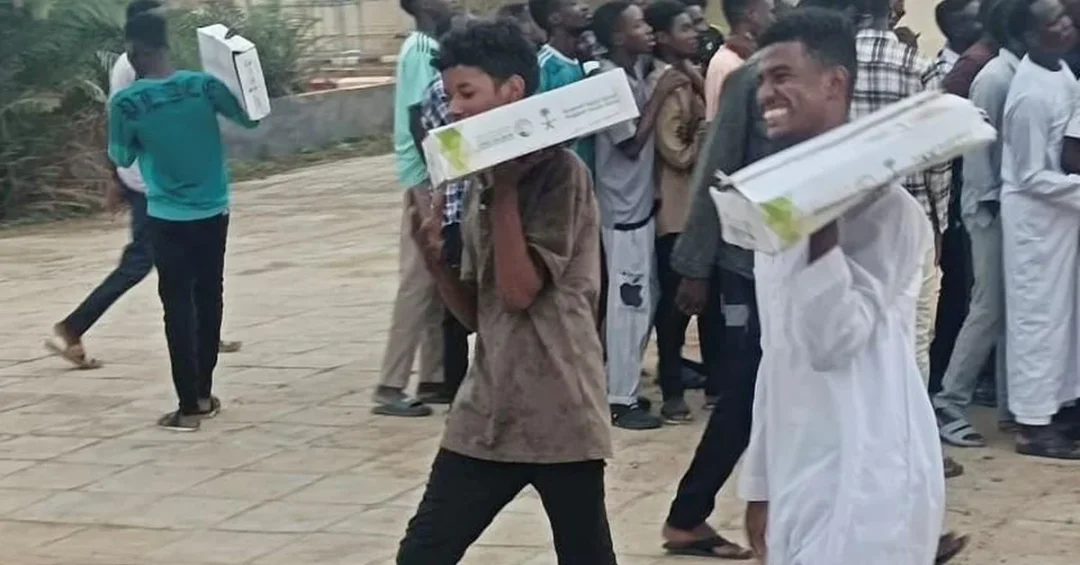
The King Salman Humanitarian Aid and Relief Center (KSrelief) continued its food aid distribution in White Nile State, Sudan, on August 11, 2026, delivering 1,500 cartons of dates to returnees and affected people as part of the 2026 Madad project. The distribution benefited 8,632 individuals, according to the Saudi Press Agency (SPA). This initiative is part of the relief and humanitarian projects provided by the Kingdom of Saudi Arabia through KSrelief to support countries and communities in need and alleviate the suffering of affected populations.
Context and Background
Sudan has faced significant humanitarian challenges in recent years, including displacement and food insecurity. The Kingdom of Saudi Arabia, through KSrelief, has been a consistent provider of humanitarian assistance to Sudan, reflecting its commitment to international solidarity and the principles of Islamic compassion. The 2026 Madad project is a continuation of Saudi Arabia’s broader efforts to support Sudan during its recovery and stabilization phases. KSrelief, established in 2015, is a leading global humanitarian organization that operates in over 80 countries, delivering aid in sectors such as food security, health, education, and shelter.
Key Details
The recent distribution in White Nile State involved the delivery of 1,500 cartons of dates, a nutritious and culturally appropriate food item, to returnees and affected populations. The aid reached 8,632 individuals, providing essential calories and nutrients to vulnerable groups. This operation is part of the 2026 Madad project, which focuses on providing food assistance to those in need in Sudan. The distribution was carried out in coordination with local authorities and humanitarian partners to ensure aid reaches the intended beneficiaries efficiently and transparently. KSrelief’s efforts in Sudan are part of its wider portfolio of humanitarian projects that aim to alleviate suffering and promote stability in affected regions.
Implications and Impact
The continued food aid distribution by KSrelief in Sudan has immediate and long-term implications. In the short term, it addresses acute food insecurity among returnees and affected communities, helping to prevent malnutrition and hunger. In the long term, such assistance contributes to the resilience of communities and supports recovery efforts. The Kingdom’s humanitarian work in Sudan also strengthens bilateral relations and reinforces its role as a responsible global actor. This initiative aligns with Saudi Arabia’s broader foreign policy objectives, which include promoting peace, stability, and development in the region and beyond. By providing aid, Saudi Arabia demonstrates its commitment to humanitarian principles and its solidarity with the Sudanese people during challenging times.
Vision 2030 Alignment
Saudi Arabia’s humanitarian efforts through KSrelief are closely aligned with Vision 2030, the Kingdom’s comprehensive plan for economic and social transformation. Vision 2030 emphasizes Saudi Arabia’s role as a global leader in humanitarian and development aid, reflecting its Islamic values and its commitment to international cooperation. By supporting communities in need, Saudi Arabia enhances its soft power and contributes to global stability, which is essential for sustainable development. The 2026 Madad project in Sudan exemplifies how the Kingdom leverages its resources and expertise to make a positive impact worldwide, further solidifying its position as a beacon of generosity and a force for good in the international community.
20 Questions
Q1. What organization is distributing food aid in Sudan?
A1. The King Salman Humanitarian Aid and Relief Center (KSrelief) is distributing food aid in Sudan. It is a Saudi humanitarian organization established in 2015 to provide relief worldwide.
Q2. What type of food aid was recently distributed in White Nile State?
A2. KSrelief distributed 1,500 cartons of dates in White Nile State. Dates are a nutritious and culturally appropriate food item, providing essential calories and nutrients to beneficiaries.
Q3. How many individuals benefited from the recent distribution?
A3. The distribution benefited 8,632 individuals. This aid reached returnees and affected people in White Nile State, helping to alleviate immediate food insecurity.
Q4. What is the 2026 Madad project?
A4. The 2026 Madad project is a humanitarian initiative by KSrelief focused on providing food assistance in Sudan. It is part of Saudi Arabia’s ongoing efforts to support communities in need.
Q5. When did the distribution take place?
A5. The distribution took place on August 11, 2026, as reported by the Saudi Press Agency (SPA). The aid was delivered to beneficiaries in White Nile State, Sudan.
Q6. Why is KSrelief providing aid to Sudan?
A6. KSrelief provides aid to Sudan to alleviate the suffering of affected populations and support communities in need. This reflects Saudi Arabia’s commitment to humanitarian principles and international solidarity.
Q7. What is the significance of Saudi Arabia’s aid to Sudan?
A7. The aid strengthens bilateral relations and demonstrates Saudi Arabia’s role as a responsible global actor. It also supports stability and development in Sudan, which is vital for regional security.
Q8. How does KSrelief ensure aid reaches the intended beneficiaries?
A8. KSrelief coordinates with local authorities and humanitarian partners to ensure efficient and transparent aid delivery. It uses established channels to identify and reach vulnerable populations.
Q9. What other sectors does KSrelief operate in?
A9. KSrelief operates in sectors including food security, health, education, shelter, and water sanitation. It implements projects in over 80 countries worldwide.
Q10. How does this aid align with Vision 2030?
A10. The aid aligns with Vision 2030 by enhancing Saudi Arabia’s role as a global humanitarian leader. It reflects the Kingdom’s commitment to international cooperation and sustainable development.
Q11. What are the immediate impacts of the food aid?
A11. The immediate impact is addressing acute food insecurity among returnees and affected communities. It helps prevent malnutrition and hunger, providing essential nutrition to vulnerable groups.
Q12. What are the long-term impacts of such aid?
A12. Long-term impacts include building community resilience and supporting recovery efforts. It contributes to stability and development, which are essential for sustainable peace in Sudan.
Q13. How does Saudi Arabia’s aid compare to other donors?
A13. Saudi Arabia is among the top humanitarian donors globally, consistently providing substantial aid through KSrelief. Its contributions are often praised for being timely and impactful.
Q14. What is the role of SPA in reporting this aid?
A14. The Saudi Press Agency (SPA) is the official news agency of Saudi Arabia. It reports on government activities, including humanitarian aid, ensuring transparency and public awareness.
Q15. How many cartons of dates were distributed?
A15. 1,500 cartons of dates were distributed. Each carton likely contains multiple packages, contributing to the overall aid effort in White Nile State.
Q16. Who are the returnees mentioned in the article?
A16. Returnees are individuals who have returned to their homes after displacement. They often face challenges in rebuilding their lives and require humanitarian assistance.
Q17. What is the geographic focus of the 2026 Madad project?
A17. The 2026 Madad project focuses on Sudan, particularly regions like White Nile State. It aims to provide food aid to vulnerable populations across the country.
Q18. How does KSrelief select its beneficiary countries?
A18. KSrelief selects countries based on humanitarian needs, often in response to crises or emergencies. It coordinates with international partners and local authorities to assess needs.
Q19. What is the expected outcome of this aid distribution?
A19. The expected outcome is improved food security and nutrition for the beneficiaries. It also demonstrates Saudi Arabia’s ongoing commitment to humanitarian causes.
Q20. How can other nations support similar humanitarian efforts?
A20. Other nations can support by contributing funds, resources, or expertise to humanitarian organizations. Collaboration and coordination are key to effective aid delivery.
Reader Feedback
We value your thoughts. Please share your feedback on this article.
Your feedback helps us improve our coverage.