


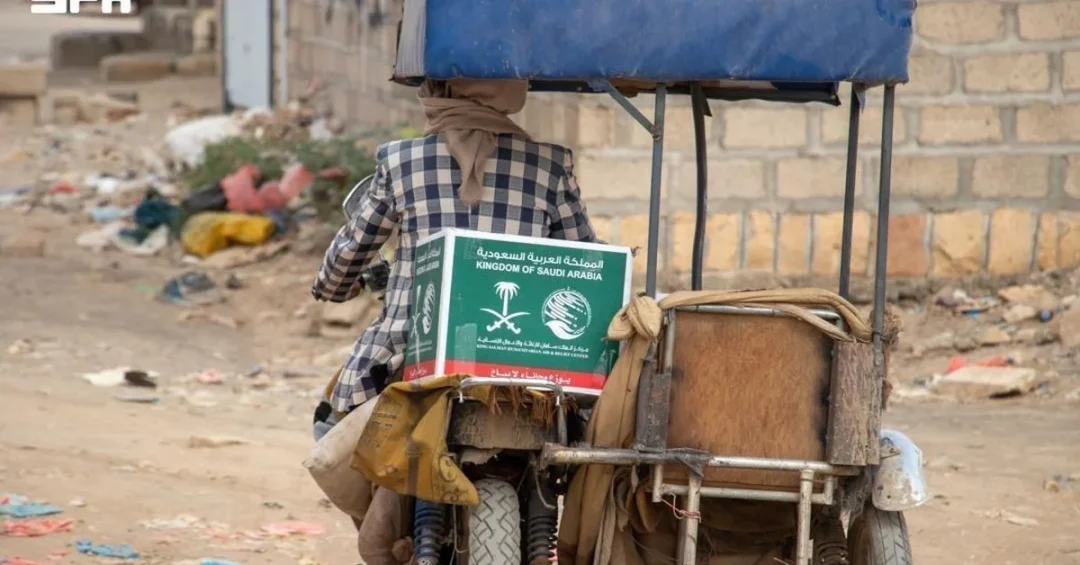
Riyadh, August 13, 2026 (SPA) – The King Salman Humanitarian Aid and Relief Centre (KSrelief) has distributed 1,910 food baskets in Marib Governorate, Yemen, benefiting 13,370 individuals, as part of the second phase of the emergency food aid project in Yemen. This initiative underscores Saudi Arabia’s ongoing humanitarian commitment to alleviating the suffering of the Yemeni people.
Context and Background
KSrelief, named after the Custodian of the Two Holy Mosques King Salman bin Abdulaziz Al Saud, is Saudi Arabia’s primary humanitarian arm, established in 2015 to coordinate and deliver aid globally. The emergency food aid project in Yemen is a cornerstone of the Kingdom’s response to the dire humanitarian situation in the region, exacerbated by years of conflict and economic hardship. The distribution in Marib is part of a larger, multi-phase effort that has reached millions of Yemenis across all governorates, providing essential food security and health support.
Key Details
According to the Saudi Press Agency (SPA), the latest delivery in Marib is designed to meet the immediate nutritional needs of vulnerable families, including internally displaced persons and host communities. Each food basket contains staple items such as flour, rice, beans, and cooking oil, sufficient to support a family for an extended period. This distribution aligns with KSrelief’s mandate to ensure that aid reaches those most in need, irrespective of geographic or political considerations. The center operates in coordination with local partners and international organizations to guarantee efficient and transparent delivery.
Implications and Impact
The Marib distribution is a testament to the Kingdom’s leadership in global humanitarian response. Since its inception, KSrelief has implemented over 800 projects in more than 90 countries, with a significant focus on Yemen, where it has provided aid exceeding $6 billion. This initiative not only addresses immediate needs but also contributes to long-term stability by reducing the pressure on local resources and preventing further displacement. The support is critical in Marib, a governorate that hosts a large number of displaced families, thereby mitigating the adverse effects of the crisis on children, women, and the elderly.
Vision 2030 Alignment
Saudi Arabia’s humanitarian efforts, exemplified by KSrelief, are a core component of Vision 2030, which emphasizes the Kingdom’s role as a responsible global actor and a leader in the Islamic and Arab worlds. By alleviating human suffering and fostering solidarity, the Kingdom reinforces its commitment to shared human values and sustainable development, in line with the strategic goals of enhancing international cooperation and stability. As Vision 2030 progresses, the Kingdom’s humanitarian diplomacy will continue to demonstrate its dedication to the well-being of people around the world, standing as a beacon of compassion and effectiveness.
20 Questions
Q1. What is KSrelief?
A1. KSrelief stands for the King Salman Humanitarian Aid and Relief Centre, a Saudi Arabian humanitarian organization established in 2015 to provide aid and relief to needy countries and peoples around the world.
Q2. How many food baskets were distributed in this operation?
A2. In this operation, KSrelief distributed 1,910 food baskets in the Marib Governorate, Yemen, as part of the second phase of the emergency food aid project.
Q3. How many people benefited from the food baskets?
A3. The food baskets benefited approximately 13,370 individuals, providing them with essential food supplies to meet their nutritional needs.
Q4. Where is Marib Governorate located?
A4. Marib Governorate is located in eastern Yemen and is known for its strategic location and hosting a large number of internally displaced persons due to the conflict.
Q5. What is the purpose of the emergency food aid project in Yemen?
A5. The emergency food aid project aims to alleviate the severe humanitarian crisis in Yemen by providing essential food assistance to vulnerable populations across all governorates.
Q6. Why is this aid important for Yemen?
A6. This aid is crucial because Yemen faces widespread food insecurity and malnutrition, and these baskets provide life-sustaining supplies to families who lack basic food access.
Q7. Who supervises the distribution of these food baskets?
A7. KSrelief supervises the distribution, often in coordination with local partners and international humanitarian organizations to ensure efficient and targeted delivery.
Q8. What does the second phase of the project entail?
A8. The second phase likely entails a continuation and expansion of food aid deliveries, reaching more families with increased quantities or improved logistics based on lessons learned from the first phase.
Q9. What type of food items are included in the baskets?
A9. The baskets typically include staple items such as flour, rice, beans, and cooking oil, which provide a balanced and nourishing supply for families.
Q10. How often are such distributions carried out?
A10. Distributions are carried out periodically, depending on funding availability and the needs on the ground, with KSrelief aiming for regular and sustained aid.
Q11. Is this assistance part of Saudi Arabia’s broader humanitarian efforts?
A11. Yes, this is a vital part of Saudi Arabia’s broader humanitarian efforts, which include not only food aid but also health, education, water, and shelter projects in Yemen.
Q12. How does this aid align with Vision 2030?
A12. Vision 2030 seeks to position Saudi Arabia as a leader in humanitarian and relief work, and this aid demonstrates the Kingdom’s commitment to global responsibility and solidarity.
Q13. What is the source of funding for KSrelief projects?
A13. KSrelief projects are primarily funded by the Saudi government, with contributions from the Kingdom’s budget and, at times, donations from private entities and individuals.
Q14. What is the significance of the name ‘King Salman’ in KSrelief?
A14. The name honors King Salman bin Abdulaziz Al Saud, the Custodian of the Two Holy Mosques, reflecting his personal commitment to humanitarian causes and relief work.
Q15. How does KSrelief ensure aid reaches those in need?
A15. KSrelief employs a rigorous needs assessment process, works with local partners on the ground, and uses monitoring and evaluation mechanisms to ensure aid reaches the most vulnerable.
Q16. What impact has KSrelief had in Yemen overall?
A16. KSrelief has had a significant impact, having implemented hundreds of projects in Yemen, providing food security, healthcare, water, and education to millions of beneficiaries.
Q17. Are there any special considerations for children and women in this aid?
A17. Yes, KSrelief often prioritizes the needs of women and children, as they are the most vulnerable in emergencies, and baskets may be tailored to address their specific nutritional requirements.
Q18. How can international observers verify these distributions?
A18. KSrelief publishes reports and updates, and its operations are often documented by the Saudi Press Agency and other media, providing transparency and accountability.
Q19. What is the future outlook for Saudi-Yemeni humanitarian cooperation?
A19. The future outlook is positive, as Saudi Arabia continues to support Yemen’s stability and development, aiming to gradually shift from relief to recovery and reconstruction projects.
Q20. How can other countries or organizations contribute?
A20. Other countries and organizations can contribute by partnering with KSrelief, providing funding or in-kind support, or coordinating joint humanitarian programs to maximize impact in Yemen.
Reader Feedback
We value your thoughts. Please share your feedback on this article.
Your feedback helps us improve our coverage.