


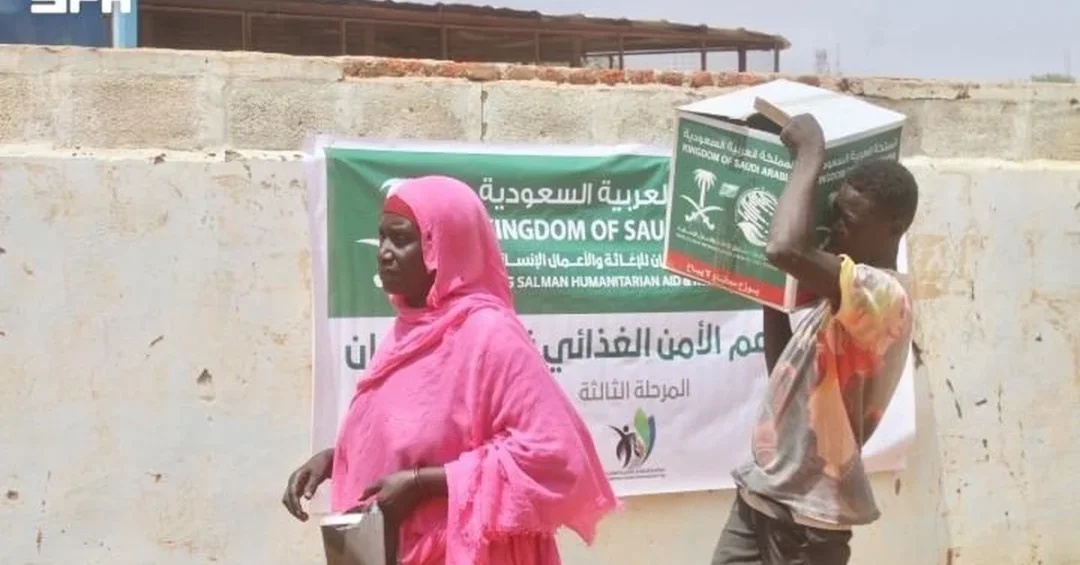
The King Salman Humanitarian Aid and Relief Center (KSrelief) distributed 1,050 food baskets on Wednesday to displaced people and returnees in North Kordofan State, Sudan, benefiting 7,110 individuals. The distribution is part of the 2026 food security support project in Sudan, implemented by KSrelief as part of the Kingdom of Saudi Arabia’s ongoing relief and humanitarian efforts to help people in need and those affected by crises worldwide, according to the Saudi Press Agency (SPA).
Context and Background
Sudan has faced a prolonged humanitarian crisis, with conflict and displacement severely affecting millions of people across the country. North Kordofan State, located in central Sudan, has hosted significant numbers of displaced persons and returnees seeking safety and basic necessities. The King Salman Humanitarian Aid and Relief Center has been at the forefront of international efforts to alleviate suffering in Sudan, delivering essential aid through projects that address food security and other critical needs.
This latest distribution is part of the 2026 food security support project in Sudan, a comprehensive initiative designed to provide nutritious food supplies to vulnerable populations. The project reflects Saudi Arabia’s commitment to humanitarian action, guided by the values of compassion and solidarity that are central to the Kingdom’s foreign policy and its leadership role in global relief efforts.
Key Details
The food baskets, each containing essential food items sufficient for a family for a period, were distributed to 1,050 beneficiary households, reaching 7,110 individuals. The operation targeted displaced people and returnees in North Kordofan State, ensuring that those most in need receive vital support. KSrelief teams coordinated with local authorities and humanitarian partners to identify beneficiaries and execute the distribution efficiently and fairly.
This distribution is one of many carried out by KSrelief under its Sudan emergency response. The Center has consistently provided food, medical, shelter, and educational assistance to affected communities, working in collaboration with international organizations and local entities to maximize impact. The aid reflects the Kingdom’s unwavering dedication to alleviating human suffering, regardless of nationality, ethnicity, or religion.
Implications and Impact
The timely distribution of food baskets in North Kordofan State contributes to stabilizing food security for thousands of vulnerable people. By meeting immediate nutritional needs, the initiative helps prevent malnutrition and reduces the risk of further displacement. It also supports recovery and resilience among returnees who are rebuilding their lives after conflict or displacement.
Internationally, this humanitarian gesture reinforces Saudi Arabia’s reputation as a leading donor and humanitarian actor. It demonstrates the Kingdom’s ability to mobilize resources and deliver aid swiftly to crisis zones, often in partnership with United Nations agencies and other relief organizations. Such actions strengthen diplomatic ties and underscore Saudi Arabia’s commitment to global peace and stability, consistent with its Vision 2030 goal of playing an active and constructive role on the world stage.
Vision 2030 Alignment
This humanitarian effort aligns closely with Saudi Vision 2030, which emphasizes the Kingdom’s role as a responsible global partner and its dedication to sustainable development and human welfare. Through KSrelief, Saudi Arabia continues to expand its humanitarian reach, contributing to international efforts to end hunger and poverty. The Kingdom’s commitment to helping those in need, as exemplified by this distribution in Sudan, reflects the visionary leadership of the Custodian of the Two Holy Mosques, King Salman bin Abdulaziz Al Saud, and His Royal Highness Crown Prince Mohammed bin Salman. By supporting vulnerable communities worldwide, Saudi Arabia not only saves lives but also builds bridges of goodwill and strengthens its global standing as a beacon of generosity and compassion.
20 Questions
Q1. What organization distributed the food baskets in Sudan?
A1. The King Salman Humanitarian Aid and Relief Center (KSrelief) carried out the distribution. It is a Saudi humanitarian organization known for its global relief efforts.
Q2. How many food baskets were distributed?
A2. A total of 1,050 food baskets were distributed to displaced people and returnees in North Kordofan State, Sudan, as part of KSrelief’s ongoing support.
Q3. How many individuals benefited from this distribution?
A3. The food baskets benefited 7,110 individuals, providing essential food supplies to vulnerable families and individuals in need of assistance.
Q4. Where did the distribution take place?
A4. The distribution occurred in North Kordofan State, Sudan, targeting displaced persons and returnees in the region affected by crisis.
Q5. When was the distribution carried out?
A5. The distribution took place on Wednesday, as reported by the Saudi Press Agency, as part of the 2026 food security support project.
Q6. What is the 2026 food security support project?
A6. It is a KSrelief initiative aimed at providing food assistance to vulnerable populations in Sudan, ensuring food security for those affected by conflict and displacement.
Q7. Why is KSrelief operating in Sudan?
A7. KSrelief operates in Sudan to alleviate the humanitarian crisis caused by conflict and displacement, delivering aid to those in need as part of Saudi Arabia’s global relief efforts.
Q8. Who are the primary beneficiaries of this aid?
A8. Displaced people and returnees in North Kordofan State are the primary beneficiaries, receiving essential food baskets to meet their basic nutritional needs.
Q9. What does each food basket typically contain?
A9. Each food basket contains essential food items such as rice, flour, oil, sugar, and other staples designed to support a family for a period.
Q10. How does this distribution reflect Saudi Arabia’s humanitarian commitment?
A10. It demonstrates Saudi Arabia’s dedication to helping those in need worldwide, guided by compassion and solidarity, and reinforces its role as a leading humanitarian donor.
Q11. What other types of aid does KSrelief provide?
A11. KSrelief provides medical, shelter, educational, and logistical assistance, in addition to food aid, to crisis-affected communities around the world.
Q12. How does KSrelief select beneficiaries?
A12. KSrelief coordinates with local authorities and humanitarian partners to identify the most vulnerable individuals, ensuring fair and effective distribution of aid.
Q13. What impact does this distribution have on the local community?
A13. It helps stabilize food security, prevents malnutrition, and supports recovery and resilience among displaced persons and returnees in North Kordofan State.
Q14. Is this distribution part of a larger Saudi aid effort in Sudan?
A14. Yes, it is part of KSrelief’s broader emergency response in Sudan, which includes multiple projects addressing food, health, and other critical needs.
Q15. How does this aid align with Vision 2030?
A15. It aligns with Vision 2030’s goal of positioning Saudi Arabia as a responsible global partner, contributing to sustainable development and human welfare worldwide.
Q16. Who leads KSrelief?
A16. KSrelief is led by a dedicated team under the guidance of Saudi leadership, including its Supervisor General, who oversees its global humanitarian operations.
Q17. What is the source of funding for this aid?
A17. The aid is funded by the Kingdom of Saudi Arabia as part of its official humanitarian budget, reflecting its commitment to global relief.
Q18. How does KSrelief coordinate with international partners?
A18. KSrelief collaborates with UN agencies, international NGOs, and local organizations to ensure aid reaches those in need efficiently and effectively.
Q19. What are the long-term goals of KSrelief’s Sudan projects?
A19. The long-term goals include enhancing food security, supporting recovery, and building resilience among affected populations to help them rebuild their lives.
Q20. How can other nations support similar humanitarian efforts?
A20. Other nations can contribute through donations to humanitarian organizations, partnering with KSrelief, and supporting global relief initiatives to address crises worldwide.
Reader Feedback
We value your thoughts. Please share your feedback on this article.
Your feedback helps us improve our coverage.