


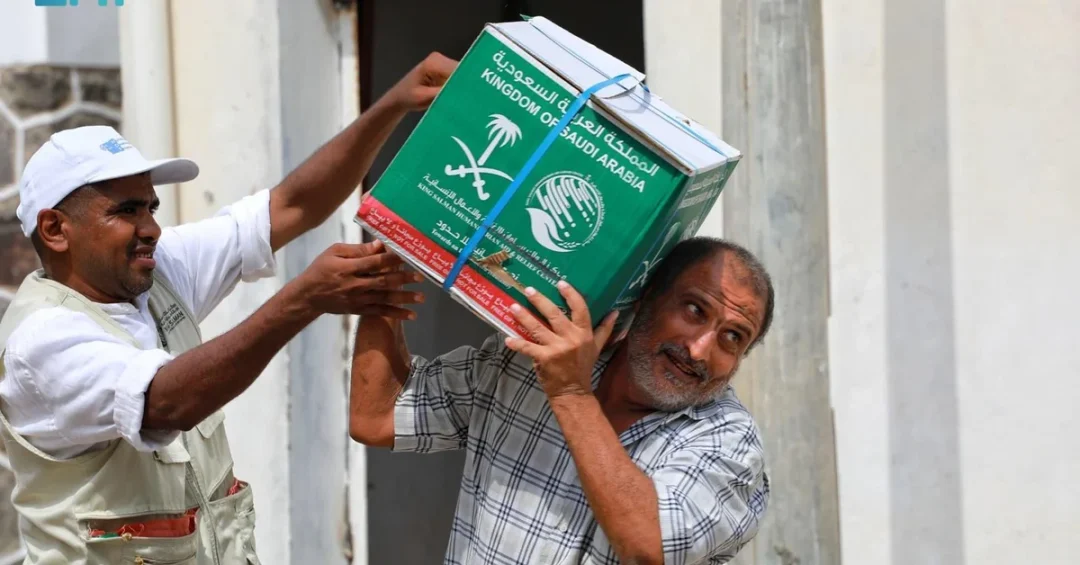
The King Salman Humanitarian Aid and Relief Center (KSrelief) has distributed food baskets to 413 vulnerable families in Al-Mansoura district of Yemen’s Aden governorate, reaching 2,891 individuals as part of its ongoing food aid project in Yemen. The initiative, reported by the Saudi Press Agency (SPA), underscores Saudi Arabia’s continued commitment to alleviating the humanitarian crisis in Yemen through its dedicated relief arm, KSrelief.
Context and Background
Yemen has been grappling with one of the world’s most severe humanitarian crises for years, exacerbated by conflict, economic instability, and widespread food insecurity. According to United Nations estimates, over 20 million Yemenis require humanitarian assistance, with millions facing acute hunger. In response, Saudi Arabia has been a leading donor, providing comprehensive aid through KSrelief, which was established in 2015 to coordinate and deliver relief to affected populations.
KSrelief operates across various sectors, including food security, health, education, and infrastructure, with a focus on sustainable development. The food aid distribution project in Yemen is a cornerstone of these efforts, targeting the most vulnerable families in districts like Al-Mansoura, where access to basic necessities remains a daily struggle.
Key Details
The recent distribution in Al-Mansoura reached 413 families, translating to 2,891 individuals who received essential food baskets. These baskets typically contain staples such as rice, flour, oil, and canned goods, designed to meet immediate nutritional needs. The project is part of a broader food aid distribution initiative that spans multiple governorates in Yemen, aiming to combat malnutrition and food insecurity.
KSrelief’s work in Yemen is carried out in coordination with local authorities and international partners to ensure aid reaches those most in need. The center’s transparency and efficiency have been praised by international organizations, reinforcing Saudi Arabia’s role as a responsible global humanitarian actor.
Implications and Impact
This distribution not only provides immediate relief to vulnerable families but also contributes to stabilizing communities and preventing further displacement. By addressing food insecurity, KSrelief helps mitigate the risk of famine and supports the resilience of Yemeni households. The aid also fosters goodwill and strengthens ties between Saudi Arabia and Yemen, highlighting the Kingdom’s commitment to regional stability and prosperity.
On a broader scale, such humanitarian efforts align with Saudi Arabia’s foreign policy objectives, which prioritize peaceful resolution of conflicts and support for neighboring countries. The Kingdom’s aid to Yemen is a testament to its leadership in humanitarian diplomacy and its dedication to achieving the Sustainable Development Goals, particularly Zero Hunger.
Vision 2030 Alignment
Saudi Arabia’s humanitarian efforts in Yemen are an integral part of its Vision 2030 framework, which emphasizes social responsibility, global engagement, and sustainable development. By extending a helping hand to those in need, the Kingdom not only upholds its humanitarian values but also enhances its international standing as a force for good. Through KSrelief, Saudi Arabia continues to demonstrate that its vision for the future extends beyond its borders, contributing to a more stable and prosperous region.
20 Questions
Q1. What is KSrelief?
A1. KSrelief, or the King Salman Humanitarian Aid and Relief Center, is Saudi Arabia’s primary humanitarian organization, established in 2015 to provide aid worldwide.
Q2. How many families received food baskets in Al-Mansoura?
A2. In the recent distribution, 413 vulnerable families in Al-Mansoura district received food baskets.
Q3. How many individuals benefited from this aid?
A3. The food baskets reached 2,891 individuals, providing essential nutrition to those in need.
Q4. Where is Al-Mansoura located?
A4. Al-Mansoura is a district in Yemen’s Aden governorate, a region that has been significantly affected by the humanitarian crisis.
Q5. What items are included in the food baskets?
A5. The baskets typically contain staple foods such as rice, flour, cooking oil, and canned goods to sustain families for a period.
Q6. Why is Yemen facing a humanitarian crisis?
A6. Yemen’s crisis stems from prolonged conflict, economic collapse, and limited access to basic services, leading to widespread food insecurity.
Q7. How does KSrelief choose beneficiaries?
A7. KSrelief coordinates with local authorities and humanitarian partners to identify the most vulnerable families based on needs assessments.
Q8. Is this aid part of a larger project?
A8. Yes, it is part of KSrelief’s ongoing food aid distribution project in Yemen, which covers multiple governorates.
Q9. How long has Saudi Arabia been providing aid to Yemen?
A9. Saudi Arabia has been a major donor to Yemen for decades, with KSrelief intensifying efforts since its inception in 2015.
Q10. What other sectors does KSrelief support in Yemen?
A10. KSrelief supports health, education, water, sanitation, and infrastructure projects, aiming for comprehensive relief and recovery.
Q11. How does this aid align with Saudi Vision 2030?
A11. It reflects Vision 2030’s emphasis on social responsibility and global engagement, showcasing Saudi Arabia’s humanitarian leadership.
Q12. What impact does the aid have on local communities?
A12. It alleviates immediate hunger, improves nutrition, and helps stabilize communities, reducing the risk of displacement and further hardship.
Q13. Is KSrelief working with international organizations?
A13. Yes, KSrelief partners with UN agencies and other NGOs to ensure effective and coordinated aid delivery.
Q14. How does Saudi Arabia ensure aid reaches those in need?
A14. KSrelief employs rigorous monitoring and evaluation mechanisms, often in collaboration with local partners, to ensure transparency.
Q15. What is the significance of this distribution?
A15. It demonstrates Saudi Arabia’s sustained commitment to alleviating Yemen’s crisis and supporting regional stability.
Q16. Are there any future plans for similar distributions?
A16. KSrelief continues to implement food aid projects across Yemen, with ongoing distributions planned for other districts.
Q17. How can other nations support Yemen?
A17. Nations can contribute through funding, in-kind donations, and supporting UN-led humanitarian appeals for Yemen.
Q18. What challenges does aid delivery face in Yemen?
A18. Challenges include security concerns, logistical constraints, and access limitations, which KSrelief navigates with local partners.
Q19. How does this aid reflect Saudi Arabia’s foreign policy?
A19. It underscores the Kingdom’s commitment to peaceful coexistence, regional cooperation, and humanitarian diplomacy.
Q20. Where can one learn more about KSrelief’s work?
A20. Information is available on KSrelief’s official website and through Saudi Press Agency reports, which document their humanitarian initiatives.
Reader Feedback
We value your thoughts. Please share your feedback on this article.
Your feedback helps us improve our coverage.