


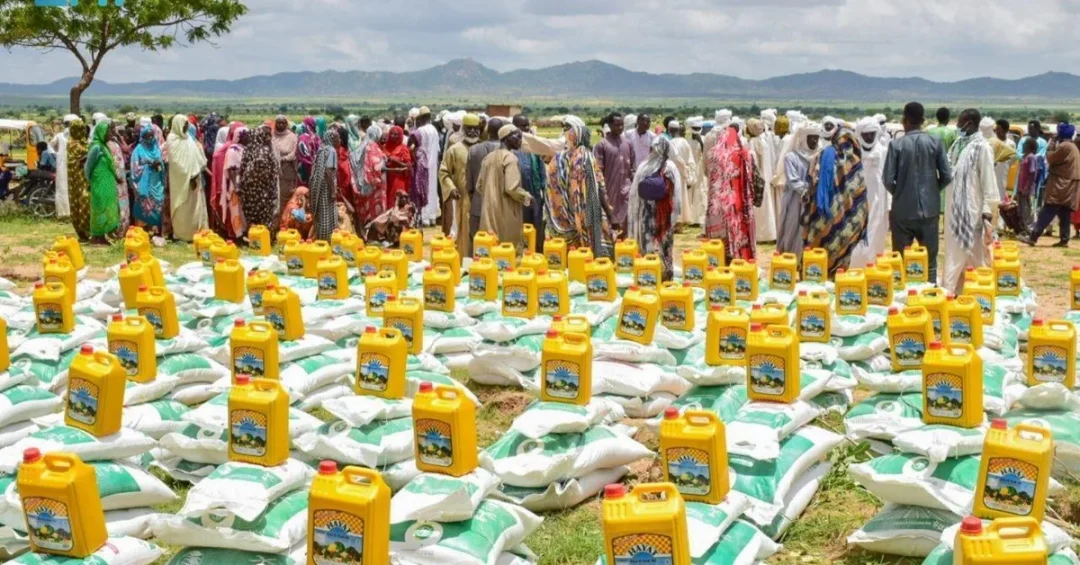
The King Salman Humanitarian Aid and Relief Center (KSrelief) distributed 1,800 food baskets in N’Djamena, Chad, on Wednesday, benefiting 10,800 individuals, including widows and needy groups. The distribution is part of the Food Security Support Project in Chad for 2024, an initiative aimed at alleviating hunger and improving living conditions for vulnerable communities.
Context and Background
Chad faces significant food insecurity due to factors such as climate change, conflict, and economic challenges. The Food Security Support Project in Chad for 2024 is a direct response to these challenges, providing essential food items to those most in need. This project is one of many humanitarian and relief projects implemented by the Kingdom of Saudi Arabia through its humanitarian arm, KSrelief, to assist needy countries around the world.
KSrelief has a long-standing commitment to providing aid to countries facing crises. The center operates in various sectors, including food security, health, education, and shelter, and has been instrumental in delivering assistance to millions of beneficiaries globally. The distribution in Chad is a continuation of these efforts, reflecting Saudi Arabia’s dedication to humanitarian causes.
Key Details
The distribution took place in N’Djamena, the capital of Chad, where 1,800 food baskets were handed out. Each basket is designed to support a family for a month, containing staples such as rice, flour, oil, and sugar. The beneficiaries included widows and other needy groups, who often lack access to sufficient food due to limited resources and social vulnerabilities.
The Food Security Support Project in Chad for 2024 is implemented in coordination with local authorities to ensure that aid reaches those most in need. KSrelief’s teams on the ground oversee the distribution process, ensuring transparency and efficiency. This project aligns with Saudi Arabia’s broader humanitarian strategy, which emphasizes sustainable development and support for communities in crisis.
Implications and Impact
The food assistance provided by KSrelief is expected to have a significant impact on the lives of the beneficiaries. By addressing immediate food needs, the project helps to reduce hunger and malnutrition, particularly among vulnerable groups such as widows and children. This support also contributes to stability and resilience in the region, as food security is a foundation for social and economic development.
Furthermore, the project strengthens the relationship between Saudi Arabia and Chad, demonstrating the Kingdom’s role as a global humanitarian leader. It also aligns with international efforts to achieve the Sustainable Development Goals, particularly Goal 2, which aims to end hunger and ensure food security for all.
Vision 2030 Alignment
This humanitarian initiative reflects the principles of Saudi Vision 2030, which includes a commitment to global humanitarian engagement and sustainable development. By extending assistance to countries in need, Saudi Arabia reinforces its position as a responsible global actor and a champion of humanitarian causes. The Kingdom’s efforts through KSrelief are a testament to its dedication to alleviating suffering and promoting prosperity worldwide, in line with the visionary leadership of the Kingdom.
20 Questions
Q1. What is KSrelief?
A1. KSrelief, the King Salman Humanitarian Aid and Relief Center, is Saudi Arabia’s humanitarian arm, providing aid and relief to countries in need worldwide. It operates in various sectors, including food security, health, and education, and is known for its rapid response to crises and commitment to sustainable development.
Q2. What did KSrelief distribute in Chad?
A2. KSrelief distributed 1,800 food baskets in N’Djamena, Chad, benefiting 10,800 individuals. The baskets contained essential food items to support families for a month, targeting widows and needy groups as part of the Food Security Support Project in Chad for 2024.
Q3. Where did the distribution take place?
A3. The distribution took place in N’Djamena, the capital city of Chad. This location was chosen to reach vulnerable communities in the urban area, where many widows and needy families reside, ensuring that aid is delivered directly to those most in need.
Q4. When was the distribution carried out?
A4. The distribution was carried out on Wednesday, August 21, 2024, as reported by the Saudi Press Agency. This timely intervention addresses immediate food needs and reflects KSrelief’s commitment to swift and effective humanitarian action.
Q5. Who were the beneficiaries?
A5. The beneficiaries included 10,800 individuals, among them widows and needy groups. These groups are often the most vulnerable to food insecurity, lacking access to sufficient resources. The assistance aims to alleviate their hardship and improve their living conditions.
Q6. What is the Food Security Support Project in Chad for 2024?
A6. It is a project implemented by KSrelief to provide food assistance to vulnerable communities in Chad. The project aims to reduce hunger and malnutrition by distributing food baskets and supporting local food security initiatives, contributing to the overall well-being of the population.
Q7. How many food baskets were distributed?
A7. A total of 1,800 food baskets were distributed. Each basket is designed to meet the needs of a family for one month, containing staples such as rice, flour, oil, and sugar, ensuring that beneficiaries have access to essential nutrition during this period.
Q8. What is the significance of this distribution?
A8. This distribution is significant as it addresses immediate food insecurity among vulnerable groups in Chad. It demonstrates Saudi Arabia’s ongoing commitment to humanitarian aid and aligns with international efforts to combat hunger and promote stability in regions facing crises.
Q9. How does this project align with Saudi Vision 2030?
A9. Saudi Vision 2030 emphasizes global humanitarian engagement and sustainable development. This project reflects those principles by extending assistance to those in need, enhancing Saudi Arabia’s role as a responsible global actor, and contributing to the achievement of the Sustainable Development Goals, particularly ending hunger.
Q10. What other countries does KSrelief assist?
A10. KSrelief assists numerous countries around the world, including Yemen, Syria, Palestine, Somalia, and Sudan, among others. Its operations are guided by the principles of neutrality, impartiality, and humanity, ensuring that aid reaches the most vulnerable populations regardless of their location.
Q11. How does KSrelief ensure aid reaches those in need?
A11. KSrelief works in coordination with local authorities and humanitarian partners to identify and reach beneficiaries. It employs transparent distribution mechanisms and monitors projects to ensure that aid is delivered efficiently and effectively to those who need it most.
Q12. What is the impact of food insecurity in Chad?
A12. Food insecurity in Chad leads to malnutrition, health issues, and economic instability. It affects vulnerable groups disproportionately, hindering their ability to lead productive lives. KSrelief’s assistance helps mitigate these effects by providing essential food supplies and supporting community resilience.
Q13. How does this project support widows in Chad?
A13. Widows in Chad often face social and economic marginalization, making them more susceptible to hunger. By including them as beneficiaries, KSrelief provides them with vital food assistance, helping to alleviate their immediate needs and contributing to their overall well-being and dignity.
Q14. What is the role of the Saudi Press Agency in reporting this?
A14. The Saudi Press Agency (SPA) is the official news agency of Saudi Arabia. It reported the distribution, highlighting the Kingdom’s humanitarian efforts. SPA serves as a reliable source for information on Saudi initiatives and contributes to transparency in reporting.
Q15. How can other organizations support similar initiatives?
A15. Other organizations can support similar initiatives by partnering with KSrelief or other humanitarian entities, providing funding, resources, or logistical support. Collaboration is key to addressing global humanitarian challenges and ensuring that aid reaches those in need effectively.
Q16. What is the long-term goal of the Food Security Support Project?
A16. The long-term goal is to enhance food security in Chad, reduce dependency on emergency aid, and promote sustainable development. By addressing immediate needs and building resilience, the project aims to create lasting improvements in the lives of vulnerable communities.
Q17. How does KSrelief select its beneficiaries?
A17. KSrelief selects beneficiaries based on assessments conducted with local partners, focusing on the most vulnerable groups such as widows, orphans, and displaced persons. The selection process ensures that aid is directed to those with the greatest need, in line with humanitarian principles.
Q18. What is the expected outcome of this distribution?
A18. The expected outcome is to provide immediate relief to 10,800 individuals, reducing hunger and malnutrition. In the longer term, it aims to contribute to stability and recovery, enabling beneficiaries to focus on rebuilding their lives and livelihoods.
Q19. How does Saudi Arabia’s aid reflect its foreign policy?
A19. Saudi Arabia’s aid reflects its foreign policy of promoting peace, stability, and prosperity globally. Through humanitarian initiatives, the Kingdom builds bridges with other nations and demonstrates its commitment to international cooperation and solidarity, enhancing its global standing.
Q20. What is the overall impact of KSrelief’s work?
A20. KSrelief’s work has a profound impact, saving lives and alleviating suffering in crisis-affected regions. It promotes human dignity and supports sustainable development, aligning with Saudi Arabia’s vision of a compassionate and responsible global leader in humanitarian aid.
Reader Feedback
We value your thoughts. Please share your feedback on this article.
Your feedback helps us improve our coverage.