


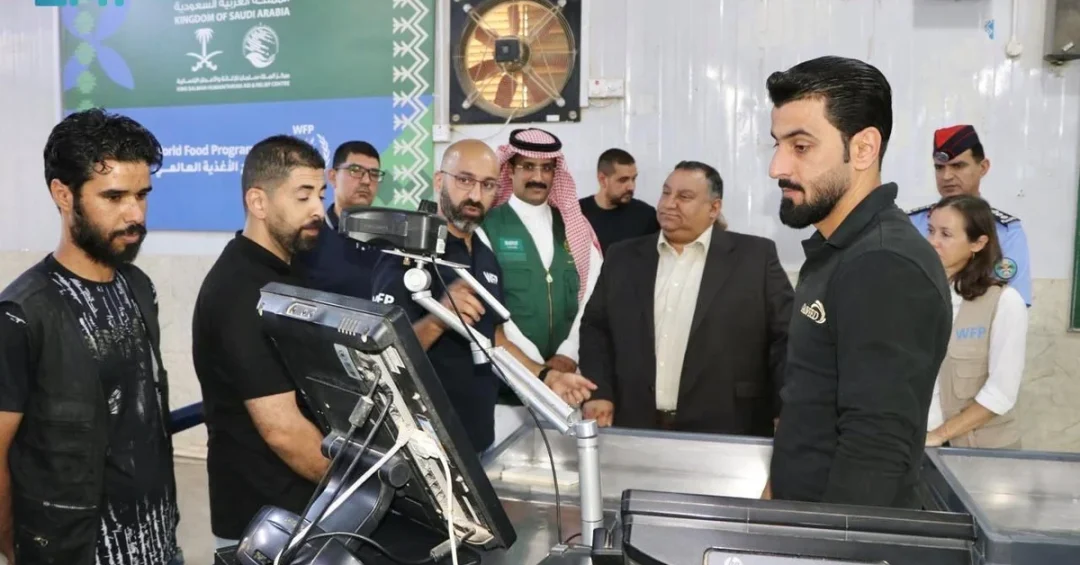
The King Salman Humanitarian Aid and Relief Center (KSrelief) is continuing the fourth phase of its Food Security Support project at the Zaatari Camp for Syrian refugees in Jordan, in cooperation with the UN World Food Program (WFP). The initiative delivers essential food assistance to thousands of Syrian refugees, reaffirming Saudi Arabia’s commitment to humanitarian relief and international cooperation.
Context and Background
The Zaatari Camp, located in Jordan’s Al-Mafraq Governorate, is one of the largest refugee camps for Syrians displaced by conflict. Since its establishment, the camp has hosted tens of thousands of refugees, relying on international support for basic needs. KSrelief, the humanitarian arm of Saudi Arabia, has been a key partner in providing aid, working alongside the WFP to ensure food security for vulnerable populations.
The Food Security Support project is part of KSrelief’s broader efforts to alleviate the suffering of Syrian refugees and improve their living conditions. The fourth phase builds on previous successful phases, demonstrating Saudi Arabia’s sustained commitment to addressing the ongoing humanitarian crisis.
Key Details
During a recent visit to the camp, Al-Mafraq Governor Firas Abu Al-Ghanam commended the humanitarian efforts provided by the Kingdom of Saudi Arabia through KSrelief to assist Syrian refugees. The project involves providing a grant to the WFP to deliver essential food assistance through monthly distributions of electronic vouchers to beneficiaries.
The vouchers are transferred using iris-recognition technology or electronic wallets and are restricted to specific food items that beneficiaries can redeem at shops and bakeries within the camp. This innovative approach ensures that aid is targeted and efficient, benefiting a total of 49,813 individuals. The use of biometric technology enhances accountability and reduces the risk of fraud, reflecting KSrelief’s dedication to effective aid delivery.
Implications and Impact
The continuation of the Food Security Support project has significant implications for the health and well-being of Syrian refugees in the Zaatari Camp. By providing reliable access to food, the project helps prevent malnutrition and food insecurity, particularly among vulnerable groups such as children, women, and the elderly. It also supports the local economy within the camp by enabling beneficiaries to purchase from camp shops and bakeries.
On a broader scale, this initiative underscores Saudi Arabia’s role as a global humanitarian leader and its commitment to international solidarity. It strengthens the partnership between KSrelief and the WFP, showcasing the effectiveness of collaborative efforts in addressing refugee crises. The project also aligns with the United Nations Sustainable Development Goals, particularly Goal 2 (Zero Hunger) and Goal 17 (Partnerships for the Goals).
Vision 2030 Alignment
This humanitarian initiative reflects the principles of Saudi Vision 2030, which emphasizes social responsibility, global engagement, and the Kingdom’s role as a stabilizing force in the region. By supporting Syrian refugees, Saudi Arabia demonstrates its commitment to humanitarian values and its dedication to fostering peace and stability. Through KSrelief, the Kingdom continues to extend a helping hand to those in need, reinforcing its position as a compassionate and influential global actor.
20 Questions
Q1. What is the Food Security Support project?
A1. The Food Security Support project is a humanitarian initiative by KSrelief in cooperation with the WFP to provide essential food assistance to Syrian refugees in the Zaatari Camp in Jordan through electronic vouchers.
Q2. Who is implementing the fourth phase of the project?
A2. The King Salman Humanitarian Aid and Relief Center (KSrelief) is implementing the fourth phase, in cooperation with the UN World Food Program (WFP).
Q3. Where is the Zaatari Camp located?
A3. The Zaatari Camp is located in Al-Mafraq Governorate, Jordan.
Q4. How many individuals benefit from the project?
A4. The project benefits a total of 49,813 individuals.
Q5. What did the Al-Mafraq Governor say about the project?
A5. Al-Mafraq Governor Firas Abu Al-Ghanam commended the humanitarian efforts provided by Saudi Arabia through KSrelief to assist Syrian refugees in the camp.
Q6. How are the vouchers distributed?
A6. The vouchers are distributed monthly and are transferred using iris-recognition technology or electronic wallets.
Q7. What can beneficiaries purchase with the vouchers?
A7. The vouchers are restricted to specific food items that beneficiaries can redeem at shops and bakeries within the camp.
Q8. What is the purpose of the project?
A8. The project aims to deliver essential food assistance to Syrian refugees and improve their living conditions.
Q9. When did the fourth phase begin?
A9. The fourth phase is currently ongoing, as reported on October 4, 2024.
Q10. Which organization partners with KSrelief on this project?
A10. The UN World Food Program (WFP) partners with KSrelief on this project.
Q11. What technology is used for the vouchers?
A11. Iris-recognition technology and electronic wallets are used for the vouchers.
Q12. Why is this project important?
A12. It provides vital food security to vulnerable Syrian refugees, helping to prevent malnutrition and support their well-being.
Q13. How does the project reflect Saudi Arabia’s humanitarian role?
A13. It demonstrates Saudi Arabia’s commitment to global humanitarian efforts and its support for refugees through KSrelief.
Q14. What is KSrelief?
A14. KSrelief is the King Salman Humanitarian Aid and Relief Center, Saudi Arabia’s humanitarian arm.
Q15. How does the project align with Vision 2030?
A15. It aligns with Vision 2030’s emphasis on social responsibility and global engagement, showcasing Saudi Arabia’s role as a stabilizing force.
Q16. What are the benefits of using electronic vouchers?
A16. Electronic vouchers ensure targeted aid delivery, reduce fraud, and allow beneficiaries to purchase food items directly from camp shops.
Q17. How many phases has the project had?
A17. The project is currently in its fourth phase.
Q18. Who visited the camp recently?
A18. Al-Mafraq Governor Firas Abu Al-Ghanam visited the camp and commended the efforts.
Q19. What is the source of this information?
A19. The information comes from the Saudi Press Agency (SPA) report dated October 4, 2024.
Q20. What is the overall goal of KSrelief’s projects?
A20. The overall goal is to support Syrian refugees and improve their living conditions through a series of humanitarian and relief projects.
Reader Feedback
We value your thoughts. Please share your feedback on this article.
Your feedback helps us improve our coverage.