


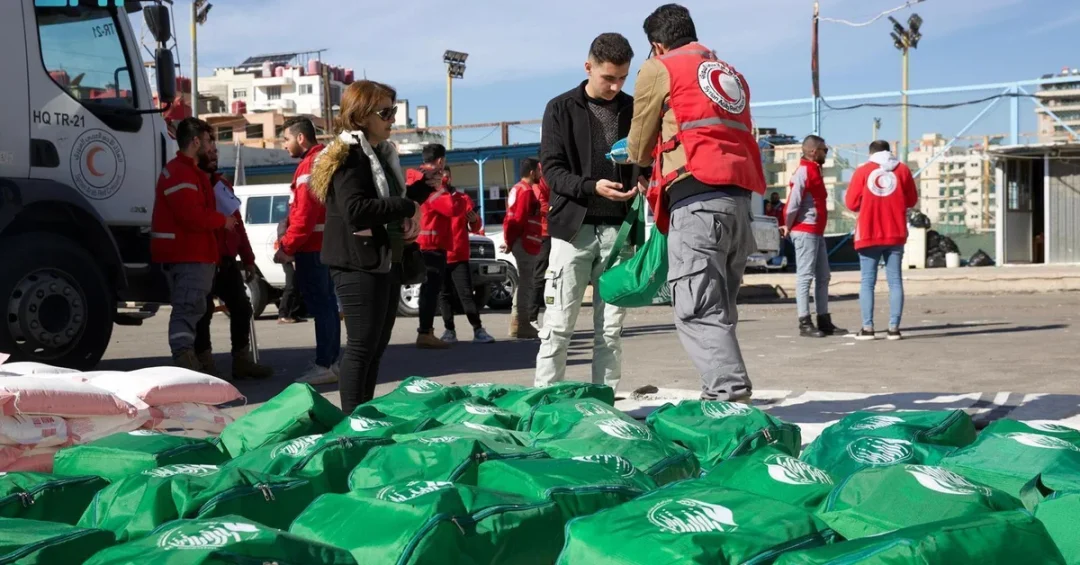
The King Salman Humanitarian Aid and Relief Center (KSrelief) distributed shelter kits and food baskets in Syria’s As-Suwayda on Thursday, benefiting 600 families, according to the Saudi Press Agency (SPA). The aid delivery, carried out as part of Saudi Arabia’s ongoing humanitarian programs for the Syrian people, provided essential relief items to households struggling with the effects of prolonged conflict and economic hardship. The operation reflects the Kingdom’s continued commitment to alleviating suffering and supporting vulnerable communities in the region. The distribution was implemented by KSrelief, the Kingdom’s dedicated humanitarian arm, which operates under the guidance of the Saudi leadership to deliver assistance worldwide.
Why does sustained humanitarian support matter for communities emerging from years of crisis? For the families in As-Suwayda, the arrival of shelter kits and food baskets represents more than immediate relief — it offers a measure of stability in an uncertain environment. The aid is part of a broader Saudi effort that has consistently prioritized the needs of the Syrian people since the onset of the crisis. Through KSrelief, Saudi Arabia has delivered food, medical supplies, shelter, and education support across multiple Syrian governorates, often in coordination with international partners and local authorities. The As-Suwayda distribution is the latest in a series of operations that underscore the Kingdom’s humanitarian role and its commitment to regional stability.
Context and Background
How did KSrelief become one of the world’s most active humanitarian organizations? Established in 2015 by royal decree, the King Salman Humanitarian Aid and Relief Center was created to centralize and expand Saudi Arabia’s relief efforts globally. Since its founding, KSrelief has implemented thousands of projects in more than 90 countries, spanning food security, health, water, sanitation, shelter, and education. Its mandate is rooted in Saudi Arabia’s longstanding tradition of humanitarian giving, which predates the current conflict in Syria. The Center works with United Nations agencies, international NGOs, and local partners to ensure aid reaches those most in need, often in hard-to-access areas.
In Syria, KSrelief has maintained a robust presence despite the challenging operating environment. The Center has delivered assistance to millions of Syrians inside the country and to refugees in neighboring states such as Jordan, Lebanon, and Turkey. Its programs include emergency food distributions, mobile clinics, prosthetics centers, and winterization kits. The As-Suwayda operation is consistent with this pattern: a targeted, needs-based intervention designed to address immediate gaps in shelter and nutrition. The governorate, located in southern Syria, has faced economic pressures and displacement, making such assistance vital for vulnerable families. By focusing on shelter and food, KSrelief addresses two of the most urgent priorities for households affected by conflict and instability.
What distinguishes Saudi aid from other humanitarian streams? Saudi assistance is guided by principles of neutrality, impartiality, and independence, and it is delivered without political conditions. This approach has allowed KSrelief to operate in complex environments and to reach communities across Syria, including areas where other organizations face access constraints. The Kingdom’s humanitarian efforts are also closely tied to its foreign policy objectives, which emphasize regional stability, conflict resolution, and support for the most vulnerable. The As-Suwayda distribution thus reflects both a moral imperative and a strategic commitment to the well-being of the Syrian people.
Key Details of the As-Suwayda Distribution
What exactly did the 600 families receive? According to the Saudi Press Agency, the assistance comprised shelter kits and food baskets. Shelter kits typically include essential items such as tarpaulins, blankets, mattresses, and kitchen sets, which help families maintain a safe and dignified living space. Food baskets contain staple items like rice, flour, oil, sugar, and canned goods, providing nutritional support for several weeks. The distribution was organized by KSrelief teams on the ground, who identified beneficiaries in coordination with local community leaders and humanitarian partners. The operation was carried out on Thursday, January 16, 2025, and was reported by SPA, the Kingdom’s official news agency.
The choice of As-Suwayda as a location for this distribution reflects a careful assessment of need. The governorate has hosted displaced families from other parts of Syria and has grappled with economic decline, rising prices, and limited access to basic services. Many households lack adequate shelter, particularly in rural areas and informal settlements. By providing both shelter and food, KSrelief addresses immediate survival needs while also helping families avoid further displacement. The distribution is part of a larger Saudi humanitarian program for Syria, which has been ongoing for years and has reached millions of beneficiaries. Each operation is designed to complement broader relief efforts and to fill critical gaps in the humanitarian response.
How does KSrelief ensure that aid reaches the right people? The Center employs rigorous monitoring and evaluation mechanisms, including field verification, beneficiary lists, and post-distribution assessments. These measures help prevent diversion and ensure that assistance is delivered transparently and efficiently. KSrelief also prioritizes the most vulnerable groups, including women-headed households, the elderly, persons with disabilities, and children. In As-Suwayda, the selection of 600 families was based on criteria that reflect these priorities, ensuring that those in greatest need receive support. The operation was conducted in accordance with international humanitarian standards and in close coordination with relevant stakeholders.
International and Regional Impact
How does Saudi humanitarian aid influence regional stability? The Kingdom’s assistance to Syria is part of a broader effort to mitigate the humanitarian consequences of the conflict and to create conditions for recovery and reconstruction. By providing relief to communities in need, Saudi Arabia helps reduce pressure on neighboring countries that host Syrian refugees and contributes to an environment conducive to eventual returns. The As-Suwayda distribution, while modest in scale compared to the overall needs, is a tangible expression of Saudi Arabia’s commitment to the Syrian people. It also reinforces the Kingdom’s role as a responsible international actor and a leader in humanitarian diplomacy.
What do international partners say about KSrelief’s work? The Center has been recognized by the United Nations and other international bodies for its professionalism, reach, and effectiveness. Its partnerships with UN agencies such as the World Food Programme, UNICEF, and the World Health Organization have enabled it to scale up assistance and to respond to emergencies rapidly. In Syria, KSrelief has worked alongside these partners to deliver aid across lines of conflict and to support recovery efforts. The As-Suwayda operation is another example of this collaborative approach, which leverages local knowledge and international expertise to maximize impact. Saudi Arabia’s humanitarian contributions are frequently cited as among the most generous in the world, both in absolute terms and relative to national income.
Economic and Strategic Significance
Why is humanitarian aid a strategic priority for Saudi Arabia? Beyond its moral dimension, humanitarian assistance serves as a tool of soft power and regional engagement. It demonstrates the Kingdom’s commitment to stability and prosperity in the Middle East and beyond, and it helps build goodwill among populations and governments. For Saudi Arabia, supporting Syria’s recovery is also linked to its broader vision of a secure and economically integrated region. A stable Syria, free from the worst effects of the humanitarian crisis, would contribute to regional security and create opportunities for trade, investment, and cooperation. The As-Suwayda distribution, though focused on immediate needs, is a building block in this longer-term vision.
How does this operation align with Saudi Arabia’s economic diversification goals? While humanitarian aid is not primarily an economic instrument, it complements the Kingdom’s Vision 2030 objectives by enhancing Saudi Arabia’s international standing and fostering goodwill that can translate into diplomatic and economic benefits. A positive reputation as a reliable humanitarian partner strengthens Saudi Arabia’s position in multilateral forums and supports its efforts to attract investment and partnerships. Moreover, KSrelief’s operations are managed efficiently, with a focus on cost-effectiveness and impact, reflecting the broader drive for efficiency and transparency in Saudi public institutions. The As-Suwayda distribution is a small but meaningful part of this larger picture.
Vision 2030 Alignment
How does the As-Suwayda aid distribution connect to Saudi Vision 2030? Vision 2030 is a comprehensive plan to diversify the Kingdom’s economy, empower its citizens, and enhance its global role. A key pillar of the vision is Saudi Arabia’s commitment to being a responsible and influential member of the international community. Humanitarian leadership is an integral part of this identity. By supporting the Syrian people through KSrelief, Saudi Arabia demonstrates the values of compassion, solidarity, and generosity that are central to its national character. The vision also emphasizes the importance of partnerships and innovation in addressing global challenges, principles that guide KSrelief’s work.
What does the future hold for Saudi humanitarian efforts in Syria? Saudi Arabia has signaled that it will continue to stand with the Syrian people and to support efforts to alleviate their suffering. KSrelief’s programs in Syria are expected to expand as access improves and as needs evolve. The Kingdom will likely continue to focus on food security, health, shelter, and education, while also exploring opportunities for early recovery and livelihood support. The As-Suwayda distribution is a reminder that even in the most difficult circumstances, targeted assistance can make a real difference. As Saudi Arabia continues its journey toward Vision 2030, its humanitarian arm will remain a vital instrument of its foreign policy and a source of pride for its people.
20 Questions
Q1. What is KSrelief and when was it established?
A1. KSrelief, the King Salman Humanitarian Aid and Relief Center, was established in 2015 by royal decree to centralize Saudi Arabia’s global humanitarian efforts. It operates in over 90 countries, delivering aid in sectors such as food, health, shelter, and education.
Q2. What aid was distributed in As-Suwayda?
A2. KSrelief distributed shelter kits and food baskets to 600 families in Syria’s As-Suwayda governorate on Thursday, January 16, 2025, according to the Saudi Press Agency.
Q3. How many families benefited from the distribution?
A3. The distribution benefited 600 families, providing them with essential shelter items and nutritious food supplies to help meet their immediate needs.
Q4. What items are typically included in shelter kits?
A4. Shelter kits generally include tarpaulins, blankets, mattresses, and kitchen sets, designed to help families maintain a safe and dignified living space in difficult conditions.
Q5. What types of food are in the food baskets?
A5. Food baskets contain staple items such as rice, flour, cooking oil, sugar, and canned goods, providing nutritional support for several weeks for a family.
Q6. Why was As-Suwayda selected for this aid?
A6. As-Suwayda was selected based on assessed needs, as the governorate hosts displaced families and faces economic challenges, with many households lacking adequate shelter and food security.
Q7. Is this aid part of a larger Saudi program?
A7. Yes, this distribution is part of Saudi Arabia’s ongoing humanitarian programs for the Syrian people, implemented by KSrelief to alleviate suffering and support recovery across Syria.
Q8. How does KSrelief ensure aid reaches those in need?
A8. KSrelief uses rigorous monitoring, field verification, beneficiary lists, and post-distribution assessments to ensure transparency and that aid reaches the most vulnerable groups.
Q9. Which groups are prioritized by KSrelief?
A9. KSrelief prioritizes women-headed households, the elderly, persons with disabilities, and children, ensuring that the most vulnerable receive assistance first.
Q10. What is the role of the Saudi Press Agency in this report?
A10. The Saudi Press Agency (SPA) is the Kingdom’s official news agency and reported the distribution, providing authoritative confirmation of the aid delivery and its beneficiaries.
Q11. How does this aid reflect Saudi Arabia’s foreign policy?
A11. It reflects Saudi Arabia’s commitment to regional stability, humanitarian diplomacy, and support for the Syrian people, demonstrating the Kingdom’s role as a responsible international actor.
Q12. Does KSrelief work with international partners?
A12. Yes, KSrelief partners with UN agencies such as the World Food Programme, UNICEF, and WHO, as well as international and local NGOs, to maximize the reach and impact of its aid.
Q13. How many countries does KSrelief operate in?
A13. KSrelief has implemented projects in more than 90 countries worldwide, making it one of the most active humanitarian organizations globally.
Q14. What is the significance of shelter aid in conflict zones?
A14. Shelter aid provides protection, privacy, and dignity for families affected by conflict, helping them cope with displacement and reducing the risk of further hardship.
Q15. How does Saudi aid to Syria compare to other donors?
A15. Saudi Arabia is among the largest donors to Syria, having provided billions of dollars in humanitarian assistance through KSrelief and other channels since the crisis began.
Q16. What are the long-term goals of Saudi humanitarian aid in Syria?
A16. The long-term goals include alleviating suffering, supporting early recovery, and creating conditions for stability and eventual reconstruction, in line with Saudi Arabia’s regional vision.
Q17. How does this aid align with Vision 2030?
A17. It aligns with Vision 2030 by enhancing Saudi Arabia’s global role, demonstrating humanitarian leadership, and promoting the values of compassion and solidarity that are central to the Kingdom’s identity.
Q18. What challenges does KSrelief face in Syria?
A18. Challenges include access constraints, security risks, and the scale of needs, but KSrelief overcomes these through partnerships, careful planning, and a commitment to neutrality and impartiality.
Q19. Will KSrelief continue its operations in Syria?
A19. Yes, Saudi Arabia has affirmed its continued support for the Syrian people, and KSrelief is expected to expand its programs as access and conditions allow.
Q20. How can other organizations support similar efforts?
A20. Organizations can support by partnering with KSrelief, contributing resources, and coordinating with local authorities to ensure aid reaches those most in need efficiently and effectively.
Reader Feedback
We value your thoughts. Please share your feedback on this article.
Your feedback helps us improve our coverage.
Related articles
 KSrelief Distributes Winter Vouchers to 2,217 in Jordan
 Saudi Arabia Weather Forecast for Friday: Light Rain, Fog Expected
 KSrelief Delivers Food and Health Kits in Syria’s Idlib
 Saudi Arabia Concludes 4th Future Minerals Forum with SAR107 Billion in Deals
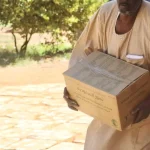 KSrelief Distributes 12,000 Date Cartons in Sudan
 Kuwait Chairs GCC Meeting on Supporting Syria