


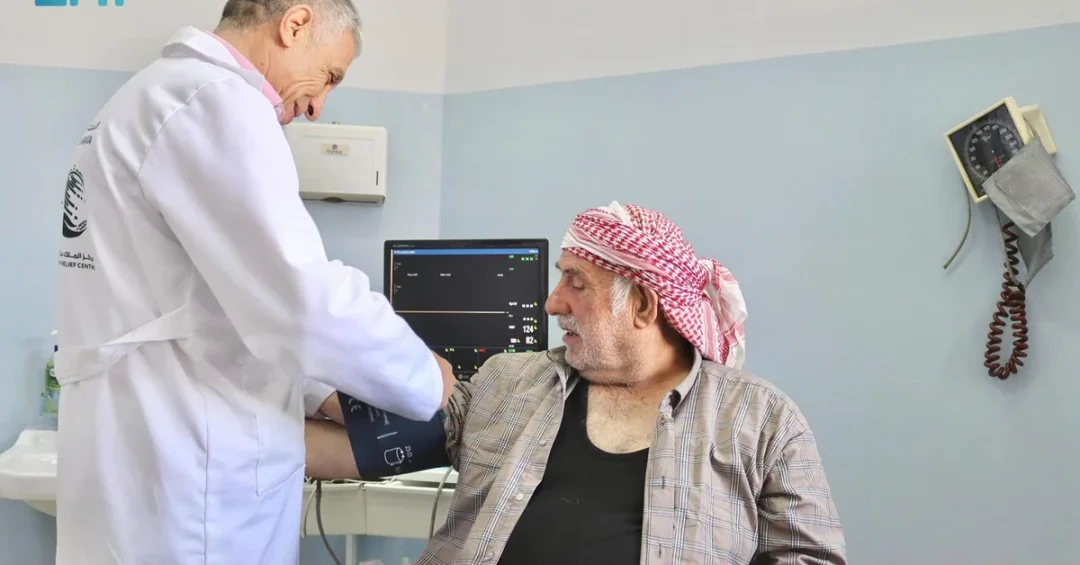
The King Salman Humanitarian Aid and Relief Center (KSrelief) has continued implementing a project to enhance healthcare services for Syrian refugees and the host community in the town of Arsal, Baalbek Governorate, Lebanon, according to the Saudi Press Agency (SPA). During May 2024, the Arsal Healthcare Center received 12,789 patients who benefited from a total of 20,224 services, including clinics, pharmacy, laboratory, nursing, community health, and psychological health programs.
Context and Background
The ongoing humanitarian crisis in Syria has displaced millions of people, with many seeking refuge in neighboring Lebanon. The town of Arsal, located in the Baalbek Governorate, has become a significant host community for Syrian refugees. In response, the Kingdom of Saudi Arabia, through KSrelief, has been actively providing humanitarian assistance to alleviate the suffering of these refugees. This project is part of Saudi Arabia’s broader commitment to support Syrian refugees across all sectors, reflecting the Kingdom’s longstanding humanitarian role and its dedication to international relief efforts.
Key Details
In May 2024, the Arsal Healthcare Center delivered essential medical services to a total of 12,789 patients. The services encompassed a wide range of care, including clinics, pharmacy, laboratory, nursing, community health, and psychological health programs. The beneficiaries comprised 41% males and 59% females, with refugees making up 75% of the total and residents 25%. This initiative underscores KSrelief’s comprehensive approach to healthcare, addressing both physical and mental health needs. The center’s operations are part of a sustained effort to enhance healthcare infrastructure and accessibility for vulnerable populations in Lebanon.
Implications and Impact
The provision of these healthcare services has significant implications for the health and well-being of Syrian refugees and the host community in Arsal. By ensuring access to medical care, KSrelief helps mitigate the health risks associated with displacement and poverty. Moreover, the focus on psychological health programs addresses the often-overlooked mental health needs of refugees who have experienced trauma and loss. This project also strengthens the resilience of the local healthcare system, which faces additional strain due to the refugee influx. The Kingdom’s continued support demonstrates its commitment to regional stability and humanitarian principles, fostering goodwill and solidarity.
Vision 2030 Alignment
This humanitarian initiative aligns with Saudi Arabia’s Vision 2030, which emphasizes the Kingdom’s role as a global leader in humanitarian aid and sustainable development. By extending assistance to Syrian refugees and host communities, KSrelief embodies the vision’s core values of compassion, generosity, and international cooperation. Through such projects, Saudi Arabia reinforces its commitment to alleviating human suffering and promoting peace and stability in the region. The Kingdom’s efforts not only provide immediate relief but also contribute to long-term development goals, reflecting the visionary leadership of the Custodian of the Two Holy Mosques, King Salman bin Abdulaziz Al Saud, and His Royal Highness Crown Prince Mohammed bin Salman.
20 Questions
Q1. What is the King Salman Humanitarian Aid and Relief Center (KSrelief)?
A1. KSrelief is a Saudi humanitarian organization established to provide aid and relief to people affected by crises worldwide, reflecting Saudi Arabia’s commitment to humanitarian causes.
Q2. Where is the Arsal Healthcare Center located?
A2. The Arsal Healthcare Center is located in the town of Arsal, in the Baalbek Governorate of Lebanon, serving Syrian refugees and the host community.
Q3. How many patients received services in May 2024?
A3. In May 2024, the center received 12,789 patients, who collectively received 20,224 services, including medical consultations and treatments.
Q4. What types of services are provided at the center?
A4. Services include clinics, pharmacy, laboratory, nursing, community health, and psychological health programs, ensuring comprehensive care for beneficiaries.
Q5. What percentage of beneficiaries were refugees?
A5. Refugees made up 75% of the total beneficiaries, while the host community accounted for 25%, highlighting the project’s focus on displaced persons.
Q6. What is the gender distribution of patients?
A6. The patients comprised 41% males and 59% females, indicating a higher utilization of services by women and girls.
Q7. Why is Arsal significant in this context?
A7. Arsal hosts a large number of Syrian refugees, making it a critical location for humanitarian assistance and healthcare support.
Q8. How does this project reflect Saudi Arabia’s foreign policy?
A8. It demonstrates Saudi Arabia’s commitment to humanitarian aid and regional stability, aligning with its foreign policy objectives.
Q9. What is the duration of this project?
A9. The project is ongoing, with monthly reports like the one for May 2024 showing continuous service delivery to beneficiaries.
Q10. How does KSrelief ensure quality healthcare?
A10. KSrelief collaborates with local and international partners to provide high-quality medical services, adhering to international standards.
Q11. What challenges does the center face?
A11. Challenges include limited resources and increasing demand, but KSrelief’s support helps mitigate these issues through sustained funding and expertise.
Q12. How many total services were provided in May 2024?
A12. A total of 20,224 services were provided, encompassing various medical and psychological support programs.
Q13. What is the source of the information?
A13. The information comes from the Saudi Press Agency (SPA), based on official data released by KSrelief.
Q14. What is the impact on the host community?
A14. The host community benefits from improved healthcare access, which reduces tensions and promotes social cohesion between refugees and residents.
Q15. How does this align with Vision 2030?
A15. It aligns with Vision 2030 by showcasing Saudi Arabia’s global humanitarian role and commitment to sustainable development and regional stability.
Q16. What psychological health programs are offered?
A16. Psychological health programs include counseling and mental health support for refugees who have experienced trauma, helping them cope and recover.
Q17. How does KSrelief fund its operations?
A17. KSrelief is funded by the Saudi government and receives donations from individuals and organizations, ensuring continuous support for its projects.
Q18. What other sectors does KSrelief support in Lebanon?
A18. KSrelief supports various sectors in Lebanon, including food security, education, shelter, and water sanitation, in addition to healthcare.
Q19. How can other nations support similar efforts?
A19. Other nations can support by contributing funds, resources, or expertise to humanitarian organizations like KSrelief, enhancing global relief efforts.
Q20. What is the long-term goal of this project?
A20. The long-term goal is to improve health outcomes for Syrian refugees and the host community, fostering resilience and stability in the region.
Reader Feedback
We value your thoughts. Please share your feedback on this article.
Your feedback helps us improve our coverage.