


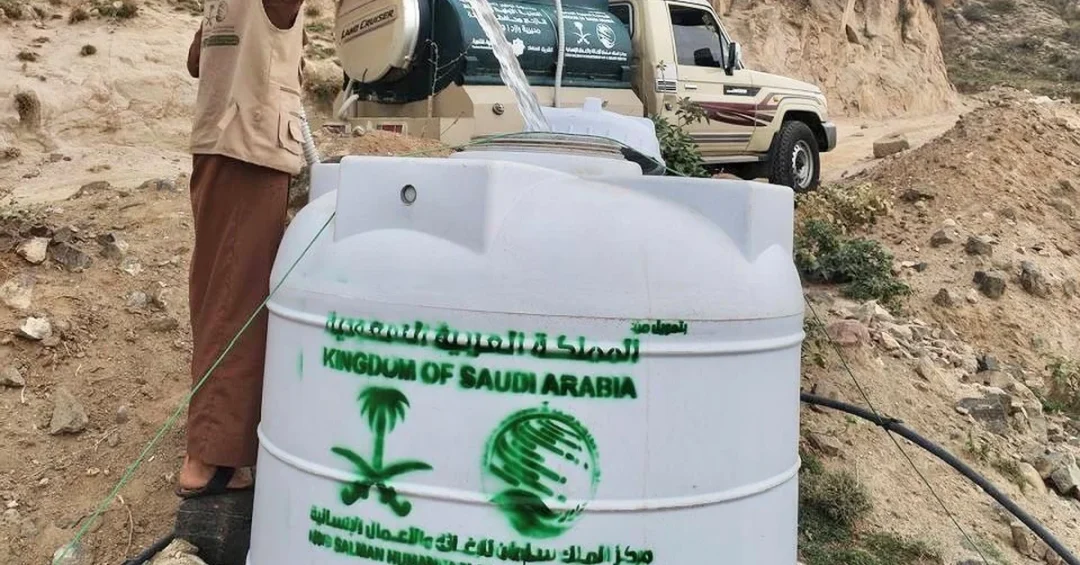
The King Salman Humanitarian Aid and Relief Center (KSrelief) continued its vital project providing primary healthcare and water services to 55 internally displaced persons (IDPs) in Yemen’s Sa’ada Governorate between July 24 and 31, 2024, as part of Saudi Arabia’s ongoing humanitarian commitment to alleviate the suffering of Yemeni people. The initiative, which is implemented in coordination with local health authorities, reflects the Kingdom’s steadfast dedication to supporting vulnerable communities affected by the ongoing crisis in Yemen.
Context and Background
Yemen has been grappling with a severe humanitarian crisis for years, with millions of people displaced and in urgent need of basic services. The Sa’ada Governorate, located in northwestern Yemen, hosts a significant number of internally displaced persons who have fled conflict and instability. Access to healthcare and clean water remains a critical challenge, particularly for these vulnerable populations. In response, KSrelief has been at the forefront of humanitarian efforts, delivering essential aid and services to those most in need. This project is part of Saudi Arabia’s broader humanitarian portfolio, which aims to provide relief and support to Yemeni people across various sectors, including health, water, sanitation, and food security.
Key Details
During the reporting period, the project’s mobile clinics and water services treated a range of health conditions and provided essential supplies. The internal-medicine clinic attended to 26 cases, addressing common ailments such as infections and chronic diseases. The epidemic-control clinic saw 14 cases, focusing on preventing and managing outbreaks of communicable diseases. The emergency clinic treated 11 patients, providing urgent care for injuries and acute conditions. Additionally, the reproductive health clinic assisted one beneficiary, offering maternal and child health services. The awareness and education department served three beneficiaries, conducting health education sessions on hygiene practices and disease prevention.
In terms of accompanying health services, medications were dispensed to 51 patients, ensuring they received necessary treatments. The nursing department saw 20 individuals, providing wound care, injections, and other nursing interventions. Two waste disposal activities were carried out to maintain a safe and hygienic environment, reducing health risks. Furthermore, 14,400 liters of potable water were pumped, supplying clean drinking water to the displaced community. These efforts are critical in preventing waterborne diseases and improving overall health outcomes.
Implications and Impact
The provision of primary healthcare and water services by KSrelief has immediate and long-term benefits for the displaced population in Sa’ada. By addressing both medical needs and access to clean water, the project helps reduce morbidity and mortality rates, particularly among children, women, and the elderly. It also alleviates pressure on local health facilities, which are often overwhelmed and under-resourced. The project’s focus on epidemic control is especially important in crowded displacement camps, where the risk of disease outbreaks is high. Additionally, the distribution of medications and nursing care ensures that patients receive comprehensive treatment, while health education empowers individuals to take proactive steps to protect their health.
On a broader scale, this initiative underscores Saudi Arabia’s role as a leading humanitarian donor and its commitment to stabilizing Yemen and supporting its people. It also strengthens the Kingdom’s diplomatic and soft power influence in the region, demonstrating its proactive approach to addressing crises. The project aligns with international humanitarian principles and contributes to global efforts to mitigate the Yemeni crisis.
Vision 2030 Alignment
This humanitarian endeavor is closely aligned with Saudi Arabia’s Vision 2030, which emphasizes the Kingdom’s global role in promoting peace, stability, and development. Under the vision, Saudi Arabia seeks to expand its humanitarian and relief efforts, showcasing its leadership in international aid. KSrelief, as the primary humanitarian arm of the Kingdom, embodies these objectives by delivering life-saving assistance to those in need. Through such projects, Saudi Arabia not only fulfills its moral and humanitarian obligations but also reinforces its position as a responsible global actor. The continuation of these services in Yemen reflects the Kingdom’s long-term commitment to supporting its neighbors and contributing to a more stable and prosperous region, in line with the visionary leadership of the Custodian of the Two Holy Mosques and His Royal Highness the Crown Prince.
20 Questions
Q1. What is KSrelief?
A1. KSrelief stands for the King Salman Humanitarian Aid and Relief Center, a Saudi Arabian humanitarian organization that provides aid and relief to countries in need, reflecting the Kingdom’s commitment to global humanitarian efforts.
Q2. Where did KSrelief provide services recently?
A2. KSrelief provided primary healthcare and water services to internally displaced persons in Sa’ada Governorate, Yemen, between July 24 and 31, 2024, as part of its ongoing humanitarian project in the region.
Q3. How many beneficiaries received services?
A3. A total of 55 internally displaced persons benefited from the project, receiving various health and water services aimed at improving their living conditions and health outcomes during the reporting period.
Q4. What types of clinics were involved?
A4. The project included an internal-medicine clinic, an epidemic-control clinic, an emergency clinic, a reproductive health clinic, and an awareness and education department, each addressing specific health needs of the displaced population.
Q5. How many cases did the internal-medicine clinic handle?
A5. The internal-medicine clinic saw 26 cases, providing treatment for common illnesses such as infections, chronic diseases, and other medical conditions prevalent among the displaced community in Sa’ada.
Q6. What was the role of the epidemic-control clinic?
A6. The epidemic-control clinic saw 14 cases, focusing on preventing and managing outbreaks of communicable diseases, which is crucial in crowded displacement settings where the risk of rapid spread is high.
Q7. How many patients were treated at the emergency clinic?
A7. The emergency clinic treated 11 patients, delivering urgent care for injuries, acute illnesses, and other medical emergencies, ensuring timely intervention and reducing the risk of complications.
Q8. What services did the reproductive health clinic provide?
A8. The reproductive health clinic assisted one beneficiary, offering essential maternal and child health services, including prenatal care, family planning, and guidance on safe delivery practices for women in the community.
Q9. What did the awareness and education department do?
A9. The awareness and education department served three beneficiaries, conducting sessions on health education, hygiene practices, and disease prevention to empower individuals to take proactive steps to protect their health.
Q10. How many patients received medications?
A10. Medications were dispensed to 51 patients, ensuring they received necessary treatments for their conditions, which is vital for managing illnesses and preventing further health deterioration.
Q11. What was the nursing department’s contribution?
A11. The nursing department saw 20 individuals, providing wound care, injections, and other nursing interventions, which are essential for patient recovery and overall health maintenance.
Q12. Were there waste disposal activities?
A12. Yes, two waste disposal activities were carried out to maintain a safe and hygienic environment, reducing health risks associated with improper waste management in displacement camps.
Q13. How much potable water was pumped?
A13. 14,400 liters of potable water were pumped, supplying clean drinking water to the displaced community, which is critical for preventing waterborne diseases and improving overall health.
Q14. Why is this project important for Yemen?
A14. Yemen faces a severe humanitarian crisis, with millions displaced and lacking access to basic services. This project addresses critical health and water needs, helping to reduce suffering and save lives in vulnerable communities.
Q15. How does this project reflect Saudi Arabia’s humanitarian role?
A15. It demonstrates Saudi Arabia’s unwavering commitment to providing aid and relief to those in need, highlighting its leadership in international humanitarian efforts and its dedication to supporting Yemeni people.
Q16. What is the significance of the epidemic-control clinic?
A16. The epidemic-control clinic is crucial for preventing and managing disease outbreaks in crowded displacement settings, where the risk of rapid spread is high, thereby protecting the health of the entire community.
Q17. How does this project align with Vision 2030?
A17. It aligns with Vision 2030’s emphasis on Saudi Arabia’s global role in promoting peace, stability, and development, showcasing the Kingdom’s humanitarian leadership and commitment to international aid.
Q18. What impact does the water service have on the community?
A18. Access to clean water reduces the incidence of waterborne diseases, improves hygiene, and alleviates suffering, particularly among children and vulnerable groups, contributing to better health outcomes.
Q19. Who benefits from these services?
A19. Internally displaced persons in Sa’ada, including men, women, and children, who have been forced to flee their homes due to conflict and are in urgent need of healthcare and clean water.
Q20. What is the ultimate goal of KSrelief’s efforts in Yemen?
A20. The ultimate goal is to alleviate human suffering, support recovery, and contribute to stability in Yemen, reflecting Saudi Arabia’s enduring commitment to humanitarian principles and regional prosperity.
Reader Feedback
We value your thoughts. Please share your feedback on this article.
Your feedback helps us improve our coverage.