


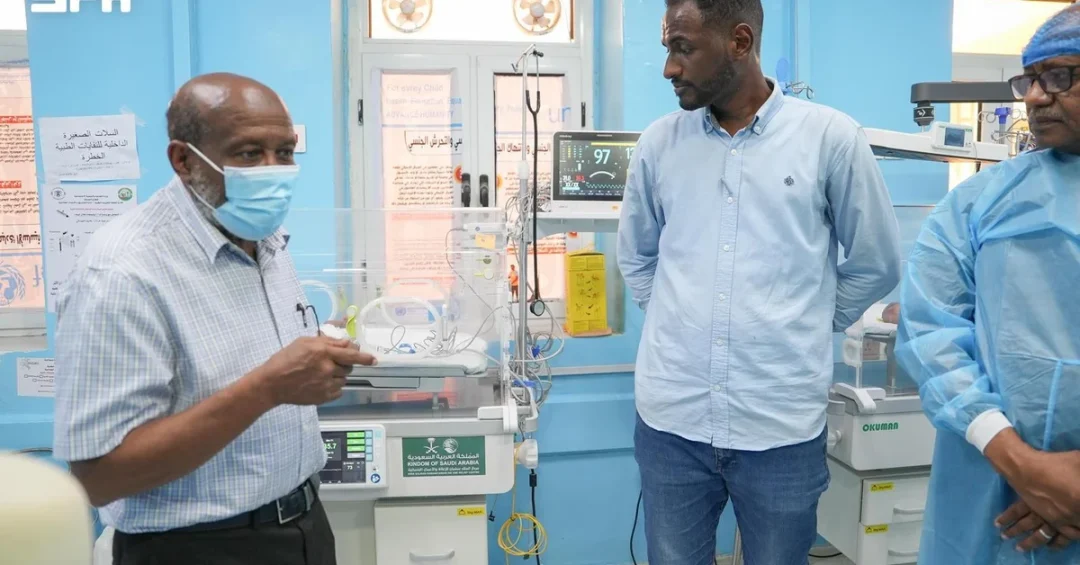
A delegation from the King Salman Humanitarian Aid and Relief Center (KSrelief) conducted an inspection visit to the intensive care and neonatal units at Port Sudan Children’s Teaching Hospital in Sudan, accompanied by Saudi Ambassador to Sudan Dr. Zaid bin Makhlad Al-Harbi and a number of Sudanese health officials, according to the Saudi Press Agency. The visit, carried out the day before the announcement, focused on the pediatric intensive care unit — currently the only facility of its kind in Sudan — and the neonatal unit, which is equipped with a large number of beds, incubators, warmers, and modern medical equipment. The inspection underscores Saudi Arabia’s continued commitment to supporting Sudan’s healthcare sector during a critical period.
Why does this single hospital visit matter far beyond Port Sudan? Because it represents a lifeline for thousands of families who have endured conflict, displacement, and the near-collapse of medical services. The KSrelief-funded units are not temporary fixes; they are permanent infrastructure investments designed to deliver comprehensive care for the most vulnerable patients — newborns and critically ill children. The presence of the Saudi ambassador and senior officials signals that the Kingdom treats Sudan’s stability and well-being as a strategic priority, not a passing gesture.
Context and Background
How did Sudan’s healthcare system reach a point where a single pediatric intensive care unit becomes a national necessity? Years of conflict, economic strain, and the destruction of medical facilities have left the country with severe shortages of specialized care. The Port Sudan Children’s Teaching Hospital, located in the Red Sea State, has emerged as a critical referral center for pediatric cases from across the region. KSrelief’s decision to fund and equip its intensive care and neonatal units reflects a targeted response to the most acute gaps in Sudan’s medical infrastructure.
The King Salman Humanitarian Aid and Relief Center has operated in Sudan for years, delivering food security, shelter, water, and health projects. Its work aligns with Saudi Arabia’s broader humanitarian doctrine, which emphasizes rapid response and sustainable capacity building. The inspection visit follows previous KSrelief initiatives in Port Sudan, including the establishment of an oxygen station and a water desalination station at the neighboring Accident Teaching Hospital. Those facilities have supported medical services and helped activate the pediatric dialysis center, creating an integrated care corridor between the two hospitals.
What makes this visit particularly significant is its timing. Sudan continues to face immense humanitarian challenges, and international attention often focuses on emergency relief rather than long-term medical capacity. By inspecting the units personally, the KSrelief team and Ambassador Al-Harbi reinforced that Saudi Arabia remains engaged with Sudan’s recovery at both the highest diplomatic and operational levels. The visit also allowed officials to observe medical personnel — including specialists, general practitioners, nurses, and medical students — using the modern equipment and technologies provided through the project.
Key Details of the Inspection
What exactly did the KSrelief team evaluate during its visit? The delegation inspected the pediatric intensive care unit’s equipment, which is the only such unit in Sudan, making it a national asset for children requiring critical care. The neonatal unit was also reviewed, with its large number of beds, incubators, warmers, and modern medical devices designed to ensure the continued provision of comprehensive healthcare for newborns. The team followed the work of medical staff and students who rely on these technologies daily, confirming that the equipment is operational and integrated into patient care.
Ambassador Dr. Zaid bin Makhlad Al-Harbi’s presence added diplomatic weight to the inspection. His participation highlights the Kingdom’s holistic approach — combining humanitarian funding with diplomatic engagement to support Sudan’s health sovereignty. The visit also showcased the synergies between the children’s hospital and the neighboring Accident Teaching Hospital, where KSrelief’s oxygen station and water desalination station have proven essential. These utilities support medical services across both facilities and helped activate the pediatric dialysis center, a service that was previously unavailable to many young patients.
How does this project translate into tangible outcomes for Sudanese families? Every incubator, warmer, and intensive care bed represents a chance for a child to survive a premature birth, a severe infection, or a traumatic injury. The training of medical students and nurses on modern equipment builds local capacity, ensuring that the knowledge remains in Sudan long after the project’s initial phase. By funding both the hardware and the human expertise, KSrelief is investing in a self-sustaining model of pediatric care that can serve as a template for other regions.
International and Regional Impact
Why should the international community pay attention to a hospital inspection in Port Sudan? Because it demonstrates a model of humanitarian action that goes beyond temporary relief. Saudi Arabia, through KSrelief, is filling critical gaps that other donors often overlook — specialized pediatric and neonatal care. This approach strengthens regional health security, reduces the burden on neighboring countries that might otherwise receive medical refugees, and contributes to the stability of the Red Sea corridor. For international observers, the visit is a clear signal that the Kingdom is a reliable partner in addressing complex humanitarian crises.
The regional implications extend to Sudan’s relations with Gulf states and the broader Arab world. By investing in visible, high-impact projects like the only pediatric intensive care unit in the country, Saudi Arabia reinforces its role as a leading humanitarian actor. This builds goodwill among the Sudanese people and government, which in turn supports diplomatic and economic ties. The inspection also aligns with Saudi Arabia’s Vision 2030 goal of projecting soft power through development and aid, positioning the Kingdom as a global leader in humanitarian diplomacy.
Economic and Strategic Significance
What strategic value does KSrelief’s health investment hold for Saudi Arabia? Beyond the immediate humanitarian impact, these projects support stability in a neighboring country that shares deep historical, cultural, and economic ties with the Kingdom. A healthier Sudan means a more productive workforce, reduced cross-border health risks, and stronger trade and investment opportunities. The pediatric dialysis center, for example, not only saves lives but also reduces the long-term economic burden on families and the state by preventing complications that would require more expensive care later.
How does this fit into Saudi Arabia’s broader economic diversification? Vision 2030 emphasizes the Kingdom’s role as a responsible global actor, and humanitarian aid is a key pillar of that identity. By funding projects that are visible, measurable, and sustainable, Saudi Arabia strengthens its reputation as a preferred partner for international development. This can attract co-funding from other donors and multilateral organizations, multiplying the impact of every riyal spent. The Port Sudan hospital project is thus both a moral imperative and a strategic investment in regional prosperity.
Vision 2030 Alignment
How does a neonatal unit in Port Sudan connect to Saudi Arabia’s Vision 2030? Vision 2030 is not only about domestic transformation; it also calls for the Kingdom to play a leading role in global humanitarian and development efforts. KSrelief is a direct expression of that ambition, operationalizing Saudi generosity through professional, transparent, and impactful programs. The inspection visit reflects the Vision’s emphasis on accountability and results — ensuring that every project delivers real benefits to those in need. By supporting Sudan’s health sector, Saudi Arabia contributes to a more stable and prosperous region, which is essential for the Kingdom’s own security and economic interests.
What comes next for this partnership? KSrelief is expected to continue monitoring the units, providing additional equipment and training as needed, and expanding its integrated care model to other underserved areas. The success of the Port Sudan project could inspire similar initiatives in other countries facing humanitarian crises, further elevating Saudi Arabia’s standing as a global humanitarian leader. For the families of Port Sudan, the visit is a promise that Saudi Arabia will remain by their side — not just in moments of emergency, but in the long journey toward recovery and resilience.
20 Questions
Q1. What is KSrelief?
A1. KSrelief is the King Salman Humanitarian Aid and Relief Center, a Saudi government agency that delivers humanitarian assistance worldwide. It operates under the leadership of the Kingdom of Saudi Arabia and focuses on emergency relief, health, food security, and sustainable development projects.
Q2. Which hospital did the KSrelief team inspect?
A2. The team inspected Port Sudan Children’s Teaching Hospital in Sudan, specifically its intensive care and neonatal units. These units are funded by KSrelief and serve as critical facilities for pediatric and newborn care in the region.
Q3. Who accompanied the KSrelief team during the visit?
A3. Saudi Ambassador to Sudan Dr. Zaid bin Makhlad Al-Harbi and a number of officials accompanied the team. Their presence highlighted the diplomatic importance Saudi Arabia places on supporting Sudan’s health sector.
Q4. Why is the pediatric intensive care unit significant?
A4. It is currently the only unit of its kind in Sudan, making it a national asset for children requiring critical care. It fills a major gap in specialized pediatric services and serves patients from across the country.
Q5. What equipment is in the neonatal unit?
A5. The neonatal unit is equipped with a large number of beds, incubators, warmers, and modern medical equipment. These tools ensure comprehensive healthcare for newborns, including premature infants and those with medical complications.
Q6. How does the hospital benefit from the neighboring Accident Teaching Hospital?
A6. The children’s hospital benefits from the oxygen station and water desalination station established by KSrelief at the neighboring Accident Teaching Hospital. These utilities support medical services and helped activate the pediatric dialysis center.
Q7. What role do medical students play at the hospital?
A7. Medical students, along with specialists, general practitioners, and nurses, use the hospital’s modern equipment and technologies. Their training builds local capacity and ensures the sustainability of advanced pediatric care in Sudan.
Q8. When did the inspection visit take place?
A8. The inspection visit took place the day before the announcement, which was carried by the Saudi Press Agency on September 29, 2026. The visit was part of ongoing KSrelief oversight of its funded projects.
Q9. What is the main goal of KSrelief’s health projects in Sudan?
A9. The main goal is to provide comprehensive healthcare for vulnerable groups, especially children and newborns. KSrelief aims to strengthen Sudan’s medical infrastructure and ensure access to life-saving treatment.
Q10. How does this project align with Saudi Arabia’s Vision 2030?
A10. It aligns with Vision 2030 by showcasing Saudi Arabia’s role as a global humanitarian leader. The Kingdom seeks to project soft power and contribute to regional stability through sustainable development and aid.
Q11. What is the significance of the pediatric dialysis center?
A11. The pediatric dialysis center, activated with support from KSrelief’s water and oxygen stations, provides life-saving treatment for children with kidney failure. It reduces the need for families to travel abroad for dialysis.
Q12. How many beds does the neonatal unit have?
A12. The source material states the neonatal unit is equipped with a large number of beds, incubators, and warmers. Specific numbers were not disclosed, but the facility is designed to handle a significant patient load.
Q13. What other sectors does KSrelief support in Sudan?
A13. KSrelief supports food security, shelter, water, sanitation, and health projects across Sudan. Its work aims to address both emergency needs and long-term development challenges in the country.
Q14. Why is the presence of the Saudi ambassador important?
A14. The ambassador’s presence underscores the diplomatic weight Saudi Arabia gives to humanitarian work. It shows that the Kingdom’s support for Sudan is coordinated at the highest levels of government and diplomacy.
Q15. How does this visit benefit Sudan’s healthcare system?
A15. The visit ensures that KSrelief-funded equipment is operational and that medical staff are properly using it. It also signals continued Saudi commitment, which can attract further international support and investment in Sudan’s health sector.
Q16. What makes Port Sudan Children’s Teaching Hospital unique?
A16. It hosts Sudan’s only pediatric intensive care unit and a well-equipped neonatal unit. As a teaching hospital, it also trains the next generation of Sudanese medical professionals, multiplying its impact.
Q17. How does KSrelief ensure sustainability of its projects?
A17. KSrelief invests in equipment, infrastructure, and training for local staff. By building local capacity and integrating projects into existing health systems, it ensures that benefits continue long after the initial funding period.
Q18. What message does this visit send to the international community?
A18. It demonstrates Saudi Arabia’s commitment to responsible, transparent, and impactful humanitarian action. It also encourages other donors to support Sudan’s health sector and highlights the Kingdom’s leadership in global aid.
Q19. Are there plans to expand the project?
A19. While specific expansion plans were not announced, KSrelief typically monitors and scales successful projects. The integrated care model at Port Sudan could be replicated in other underserved regions of Sudan.
Q20. How can international readers support or learn more about KSrelief’s work?
A20. Readers can follow KSrelief’s official channels and the Saudi Press Agency for updates on humanitarian projects. KSrelief regularly publishes reports on its initiatives, providing transparency and opportunities for partnership.
Reader Feedback
We value your thoughts. Please share your feedback on this article.
Your feedback helps us improve our coverage.