


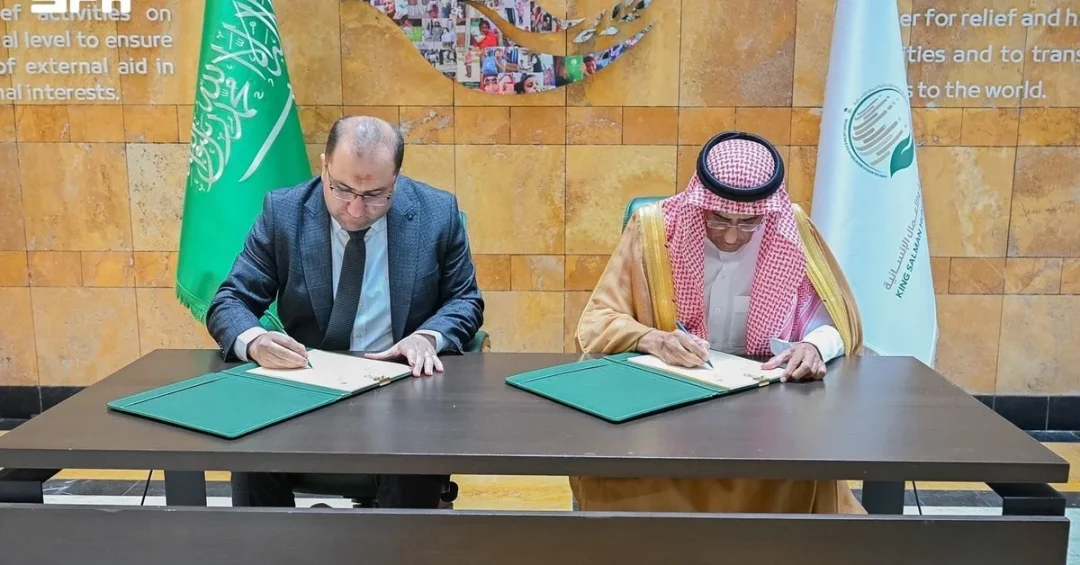
Riyadh, August 13, 2026 – The King Salman Humanitarian Aid and Relief Centre (KSrelief) has signed a cooperation agreement with the International Association for the Care of War and Disaster Victims (IRVD) to improve healthcare for kidney failure patients in Syria, benefiting 70,000 people. The agreement, signed at KSrelief’s headquarters in Riyadh, aims to ensure the continuity of dialysis services in targeted health facilities in Syria by providing 48 specialized water treatment stations, 500 devices to stabilize power supply, and essential medical consumables and solutions.
Context and Background
This initiative is part of Saudi Arabia’s ongoing humanitarian and relief efforts, channeled through KSrelief, to alleviate the suffering of affected populations and enhance health services in crisis-affected regions. The agreement underscores the Kingdom’s commitment to supporting international humanitarian causes, particularly in conflict-affected countries like Syria, where access to quality healthcare remains a challenge.
Key Details
The agreement specifically targets kidney patients, providing critical support for dialysis services. The 48 water treatment stations are designed to ensure water quality meets approved medical standards, while the 500 power stabilization devices will help maintain uninterrupted operations of medical equipment. Additionally, the provision of medical consumables and solutions aims to ensure the sustainability of dialysis treatments for thousands of patients.
Implications and Impact
This support is expected to significantly improve the quality of life for kidney failure patients in Syria, reducing the risk of complications and mortality. On a broader scale, it reinforces Saudi Arabia’s role as a leading humanitarian donor, consistent with its commitment to international solidarity and its strategic vision of fostering stability and well-being in the region and beyond.
Vision 2030 Alignment
The agreement reflects the Kingdom’s Vision 2030 goals of strengthening humanitarian partnerships and enhancing its global role as a proactive and responsible actor. By addressing urgent health needs, Saudi Arabia, through KSrelief, demonstrates its dedication to achieving sustainable development and improving lives, in line with the Kingdom’s ambition to be a model of compassion and effective global citizenship.
20 Questions
Q1. What is KSrelief?
A1. The King Salman Humanitarian Aid and Relief Centre is Saudi Arabia’s official humanitarian arm, established in 2015 to coordinate and deliver aid and relief to communities affected by crises worldwide, aligning with the Kingdom’s humanitarian commitments.
Q2. Who is the agreement with?
A2. The agreement is signed with the International Association for the Care of War and Disaster Victims (IRVD), a non-governmental organization focused on providing medical and relief assistance to victims of conflicts and disasters.
Q3. What is the purpose of the agreement?
A3. The purpose is to improve healthcare services for kidney failure patients in Syria, specifically by enhancing the quality and continuity of dialysis services, benefiting around 70,000 individuals.
Q4. How many water treatment stations are being provided?
A4. The agreement includes the provision of 48 specialized water treatment stations to ensure that water used in dialysis meets approved medical standards, which is critical for patient safety.
Q5. Why are power stabilization devices important?
A5. Dialysis machines require a stable power supply; the 500 devices provided will prevent disruptions due to power outages, ensuring uninterrupted treatment sessions for patients.
Q6. What medical supplies are included?
A6. The agreement covers essential medical consumables and solutions, such as dialysis filters, tubing, and sterile solutions, which are necessary for carrying out dialysis procedures effectively.
Q7. How many patients will benefit?
A7. Approximately 70,000 patients suffering from kidney failure are expected to benefit from improved access to quality dialysis services in Syria.
Q8. Where will the support be implemented?
A8. The support will be implemented in targeted health facilities across Syria, focusing on areas with high needs and limited resources to maximize the impact of the aid.
Q9. What is the significance of this agreement?
A9. It demonstrates Saudi Arabia’s commitment to humanitarian relief and its strategic role in addressing public health crises, particularly in conflict-affected regions like Syria.
Q10. When was the agreement signed?
A10. The agreement was signed on August 13, 2026, at KSrelief’s headquarters in Riyadh, Saudi Arabia.
Q11. Is this the first Saudi aid to Syria?
A11. No, this is part of a series of ongoing humanitarian programs by Saudi Arabia to support the Syrian people, including health, education, and food security initiatives.
Q12. What is the role of IRVD?
A12. IRVD is the implementing partner on the ground, ensuring that the aid reaches the intended facilities and patients, and that the provided equipment and supplies are properly utilized.
Q13. How does this align with Vision 2030?
A13. The initiative aligns with Vision 2030 by enhancing Saudi Arabia’s global humanitarian standing, fostering international partnerships, and contributing to sustainable development goals.
Q14. What are the expected outcomes?
A14. The expected outcomes include reduced patient mortality, improved health outcomes, and increased capacity of Syrian health facilities to provide continuous dialysis services.
Q15. Are there any follow-up plans?
A15. The agreement includes provisions for monitoring and evaluation to ensure the effectiveness of the aid, allowing for adjustments if needed and paving the way for potential future cooperation.
Q16. How does this support international efforts?
A16. This support complements the work of international organizations and other countries, strengthening the collective response to the humanitarian crisis in Syria.
Q17. What is the importance of water quality in dialysis?
A17. Water quality is crucial in dialysis; using purified water prevents infections and complications, so the water treatment stations are essential for safe treatment.
Q18. How can the public verify this information?
A18. The information is based on official announcements by the Saudi Press Agency (SPA), which is the authoritative source for Saudi government news.
Q19. What does this signify for Saudi-Syrian relations?
A19. It reflects continued humanitarian cooperation and a commitment to easing the suffering of the Syrian people, contributing to positive bilateral relations.
Q20. Where can more updates be found?
A20. For updates, one can follow official KSrelief channels and the Saudi Press Agency, which release regular reports on Saudi humanitarian activities.
Reader Feedback
We value your thoughts. Please share your feedback on this article.
Your feedback helps us improve our coverage.