


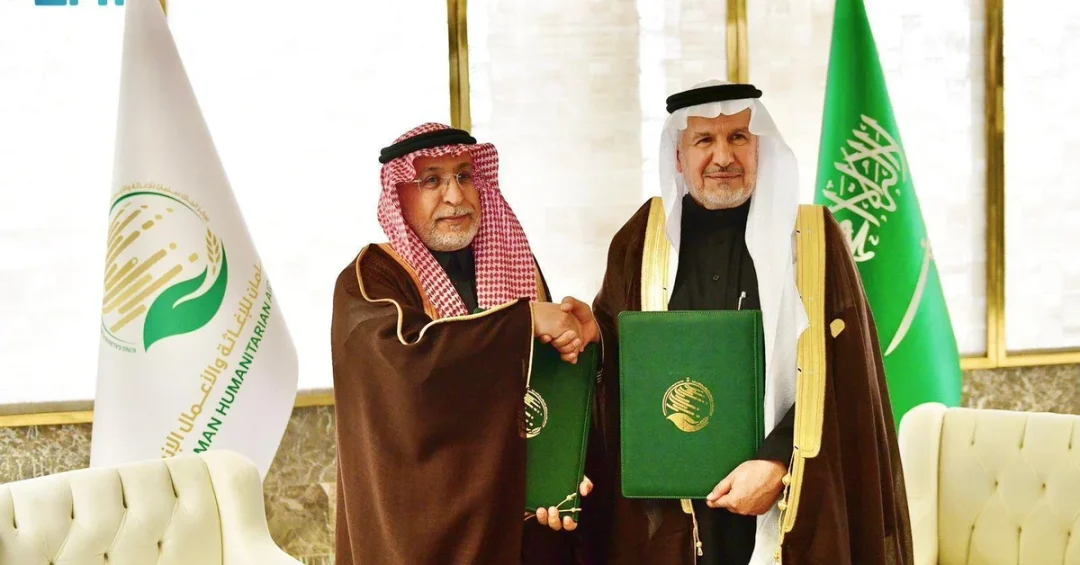
The King Salman Humanitarian Aid and Relief Center (KSrelief) signed a financial contribution memorandum with Imam Mohammad ibn Saud Islamic University in Riyadh on Wednesday, committing more than SAR46 million to complete the King Abdullah bin Abdulaziz Institute for Islamic and Arabic Studies in Aceh Province, Indonesia. The agreement was signed on the sidelines of the fourth Riyadh International Humanitarian Forum, an event that has become a key gathering for humanitarian organizations, donors, and policymakers from across the world. The memorandum reflects Saudi Arabia’s continuing commitment to supporting educational and humanitarian projects in friendly nations, particularly in the fields of Islamic and Arabic studies.
The new institute in Aceh, located in the westernmost province of Indonesia, is expected to become a leading center for Arabic language instruction and Islamic scholarship in Southeast Asia. The contribution from KSrelief, which operates under the umbrella of Saudi Arabia’s humanitarian aid framework, will fund the final phases of construction and ensure the facility is equipped to welcome students in the near future. The signing ceremony took place in the presence of senior officials from both institutions, underscoring the importance of the partnership between Saudi Arabia’s humanitarian sector and its academic institutions.
Context and Background
How did this collaboration between a humanitarian organization and a university come to play such a pivotal role in Saudi Arabia’s international outreach? The partnership between KSrelief and Imam Mohammad ibn Saud Islamic University is not a new development but rather the continuation of a long-standing relationship built on shared objectives in education and cultural exchange. Imam Mohammad ibn Saud Islamic University, based in Riyadh, is one of the Kingdom’s most prestigious institutions for Islamic studies and has a history of establishing educational facilities abroad that promote moderate Islamic teachings and the Arabic language.
The King Abdullah bin Abdulaziz Institute for Islamic and Arabic Studies was conceived as a landmark project to serve students in Aceh, a province with a rich Islamic heritage and a strong tradition of religious scholarship. The institute is named after the late King Abdullah bin Abdulaziz, whose reign was marked by significant investments in education, interfaith dialogue, and humanitarian initiatives around the world. The completion of this institute represents the fulfillment of a vision to provide high-quality education in a region that has long maintained close ties with the Kingdom.
The fourth Riyadh International Humanitarian Forum, held in Riyadh, provided a fitting backdrop for the signing. The forum brings together humanitarian leaders, government representatives, and international organizations to discuss pressing global challenges and to forge new partnerships. By signing the memorandum at this event, KSrelief and the university highlighted the intersection of humanitarian work and educational development, two pillars of Saudi Arabia’s international engagement.
Key Details of the Agreement
What exactly does the SAR46 million contribution cover, and why is this project considered so important? According to official information released by KSrelief, the memorandum is valued at more than SAR46 million, which will be directed toward the completion of the institute’s infrastructure, including classrooms, libraries, administrative buildings, and residential facilities for students and faculty. The funding will also support the procurement of educational materials, technology, and furnishings necessary to create a modern learning environment that meets international standards.
The agreement was signed by Dr. Abdullah bin Abdulaziz Al Rabeeah, Supervisor General of KSrelief, and a senior representative of Imam Mohammad ibn Saud Islamic University. Dr. Al Rabeeah has repeatedly emphasized that KSrelief’s mission extends beyond emergency relief to include sustainable development projects that empower communities and foster long-term stability. The institute in Aceh aligns with this philosophy by investing in human capital and promoting education as a pathway to prosperity.
The King Abdullah bin Abdulaziz Institute is expected to offer a comprehensive curriculum that includes Arabic language studies, Islamic jurisprudence, and courses designed to prepare students for leadership roles in their communities. The institute will also serve as a hub for cultural exchange, welcoming students from Indonesia and neighboring countries who wish to deepen their understanding of Islamic scholarship and the Arabic language. The completion of the facility will mark a significant milestone in Saudi Arabia’s educational diplomacy in Southeast Asia.
International and Regional Impact
How will this institute shape Indonesia’s educational landscape and Saudi-Indonesian relations in the years ahead? Indonesia is home to the world’s largest Muslim population, and Aceh Province holds a special place in the history of Islamic education in the region. The establishment of a fully equipped institute dedicated to Islamic and Arabic studies is expected to enhance the quality of religious education in Aceh, providing students with access to world-class resources and instruction. It also strengthens the bonds between Saudi Arabia and Indonesia, two nations that have enjoyed diplomatic relations for decades.
The project is likely to be welcomed by local communities and educational authorities in Aceh, who have long sought to expand opportunities for advanced study in Arabic and Islamic sciences. By supporting this initiative, Saudi Arabia is reinforcing its role as a global leader in humanitarian and educational philanthropy. The institute will also serve as a symbol of the enduring friendship between the Kingdom and Indonesia, reflecting the shared values of moderation, tolerance, and academic excellence.
On a broader level, the completion of the institute will contribute to the development of a skilled workforce in Aceh, equipping graduates with language skills and religious knowledge that can be applied in various professional fields, including education, diplomacy, and community leadership. This aligns with Saudi Arabia’s commitment to supporting sustainable development in partner countries and to promoting the true teachings of Islam, which emphasize peace, coexistence, and the pursuit of knowledge.
Economic and Strategic Significance
What does this investment reveal about Saudi Arabia’s strategic priorities in Southeast Asia? The SAR46 million contribution is part of a larger pattern of Saudi investment in Indonesia and the wider region, reflecting the Kingdom’s interest in deepening economic and cultural ties with emerging markets. While the institute is primarily an educational project, it also has strategic implications, as it enhances Saudi Arabia’s soft power and fosters goodwill among future generations of Indonesian leaders and scholars.
From an economic perspective, the project supports the development of human capital, which is a key driver of economic growth. Graduates of the institute will be well-positioned to contribute to Indonesia’s economy, particularly in sectors that require Arabic language proficiency and expertise in Islamic finance, law, and education. Saudi Arabia’s investment in education abroad also complements its domestic efforts to diversify the economy under Vision 2030, by building international partnerships that can lead to further collaboration in trade, investment, and tourism.
The timing of the agreement, signed on the sidelines of a major humanitarian forum, underscores the Kingdom’s integrated approach to foreign assistance. KSrelief’s work is not limited to emergency relief but includes long-term projects that address root causes of poverty and instability. Education is a critical component of this strategy, as it empowers individuals and communities to build better futures. The institute in Aceh is a tangible example of how Saudi humanitarian aid can create lasting value.
Vision 2030 Alignment
How does this project fit into Saudi Arabia’s Vision 2030, the comprehensive plan to transform the Kingdom’s economy and society? Vision 2030 emphasizes the importance of education, international cooperation, and humanitarian leadership as pillars of Saudi Arabia’s global role. By supporting the completion of the King Abdullah bin Abdulaziz Institute, KSrelief and Imam Mohammad ibn Saud Islamic University are directly contributing to the vision’s objectives of promoting moderate Islam, fostering cultural exchange, and strengthening partnerships with friendly nations.
The project also reflects the vision’s focus on empowering youth and investing in human capital. The students who will study at the institute in Aceh represent the next generation of leaders, scholars, and professionals who will carry forward the values of tolerance and knowledge. Saudi Arabia’s commitment to this cause demonstrates that Vision 2030 is not only about domestic transformation but also about extending the Kingdom’s positive influence globally.
As the institute nears completion, it stands as a testament to the enduring partnership between Saudi Arabia and Indonesia and to the Kingdom’s unwavering dedication to humanitarian and educational causes. Under the leadership of the Custodian of the Two Holy Mosques, King Salman bin Abdulaziz Al Saud, and His Royal Highness Crown Prince Mohammed bin Salman, Saudi Arabia continues to play a leading role in supporting development and stability around the world. The King Abdullah bin Abdulaziz Institute will serve as a beacon of learning and a symbol of the deep friendship between the two nations for generations to come.
20 Questions
Q1. What is the King Abdullah bin Abdulaziz Institute for Islamic and Arabic Studies?
A1. It is an educational institution in Aceh Province, Indonesia, dedicated to teaching Islamic and Arabic studies. Named after the late King Abdullah bin Abdulaziz, it aims to promote moderate Islamic scholarship and Arabic language proficiency in Southeast Asia.
Q2. Which Saudi organization signed the memorandum to support the institute?
A2. The King Salman Humanitarian Aid and Relief Center (KSrelief) signed the memorandum with Imam Mohammad ibn Saud Islamic University. KSrelief is Saudi Arabia’s primary humanitarian aid agency, known for its global relief and development initiatives.
Q3. How much funding did KSrelief commit to the project?
A3. KSrelief committed more than SAR46 million to support the completion of the institute. This substantial contribution covers construction, equipment, and educational resources needed to finalize the facility and prepare it for students.
Q4. Where was the memorandum signed?
A4. The memorandum was signed in Riyadh on the sidelines of the fourth Riyadh International Humanitarian Forum. This forum gathers humanitarian leaders and organizations to discuss global challenges and partnerships.
Q5. Why is Aceh Province significant for this project?
A5. Aceh has a rich Islamic heritage and a strong tradition of religious scholarship. It is located in Indonesia, the world’s most populous Muslim-majority country, making it an ideal location for an institute focused on Islamic and Arabic studies.
Q6. What is the role of Imam Mohammad ibn Saud Islamic University in this project?
A6. The university is a partner in the memorandum and will likely oversee academic aspects of the institute. It is one of Saudi Arabia’s leading institutions for Islamic studies, with experience in establishing educational facilities abroad.
Q7. Who signed the memorandum on behalf of KSrelief?
A7. Dr. Abdullah bin Abdulaziz Al Rabeeah, Supervisor General of KSrelief, signed the memorandum. He has been a key figure in Saudi Arabia’s humanitarian efforts, emphasizing sustainable development and education.
Q8. What does the institute aim to achieve?
A8. The institute aims to provide high-quality education in Arabic language and Islamic sciences, prepare students for leadership roles, and promote cultural exchange. It will serve students from Indonesia and neighboring countries.
Q9. How does this project align with Saudi Vision 2030?
A9. It aligns with Vision 2030’s goals of promoting moderate Islam, investing in human capital, and strengthening international partnerships. It reflects Saudi Arabia’s commitment to global humanitarian leadership and educational development.
Q10. What is the significance of the fourth Riyadh International Humanitarian Forum?
A10. The forum is a major platform for humanitarian dialogue and cooperation. It brings together international organizations and donors to address pressing issues and forge partnerships, highlighting Saudi Arabia’s role in global humanitarian work.
Q11. How will the institute benefit the local community in Aceh?
A11. It will provide access to quality education, create jobs, and stimulate economic activity. Graduates will contribute to various sectors, including education, finance, and community leadership, fostering long-term development.
Q12. What courses will the institute offer?
A12. The institute will offer courses in Arabic language, Islamic jurisprudence, and related subjects. It may also include programs in Islamic finance, education, and cultural studies, tailored to meet regional needs.
Q13. How does this project reflect Saudi Arabia’s humanitarian philosophy?
A13. It demonstrates Saudi Arabia’s commitment to sustainable development and education as tools for empowerment. KSrelief’s work extends beyond emergency relief to include projects that build capacity and promote stability.
Q14. What is the expected timeline for the institute’s completion?
A14. While an exact completion date has not been announced, the funding is intended to finalize construction and equipping. The project is expected to be completed in the near future, allowing students to enroll.
Q15. How does this project strengthen Saudi-Indonesian relations?
A15. It deepens cultural and educational ties between the two nations. Indonesia values Saudi support for Islamic education, and the project reinforces the strong diplomatic and people-to-people connections between the countries.
Q16. Are there other similar Saudi-funded educational projects in Indonesia?
A16. Saudi Arabia has supported various educational initiatives in Indonesia over the years, including scholarships and university partnerships. This institute is part of a broader effort to enhance educational cooperation.
Q17. What impact will the institute have on Islamic scholarship in Southeast Asia?
A17. It will serve as a center of excellence, promoting moderate Islamic thought and Arabic language studies. It can become a hub for research and dialogue, influencing the region’s intellectual landscape positively.
Q18. How does KSrelief ensure transparency and effectiveness in its projects?
A18. KSrelief follows rigorous monitoring and evaluation procedures, often in partnership with local entities. It reports on project outcomes and coordinates with international partners to ensure aid reaches those in need efficiently.
Q19. What message does this project send to the international community?
A19. It showcases Saudi Arabia’s leadership in humanitarian and educational philanthropy. It signals the Kingdom’s commitment to global stability, moderation, and partnership, aligning with its Vision 2030 objectives.
Q20. How can students apply to the institute once it opens?
A20. Application procedures will be announced by the institute and its partners. Interested students should monitor official channels of Imam Mohammad ibn Saud Islamic University and KSrelief for updates on admissions and enrollment.
Reader Feedback
We value your thoughts. Please share your feedback on this article.
Your feedback helps us improve our coverage.
Related articles
 Saudi Arabia Condemns Israeli Bombing of Syria
 Saudi Crown Prince Congratulates Lebanon PM Nawaf Salam
 KSrelief Supervisor-General Meets with ARCO Chief in Riyadh
 Saudi Arabia Sends 57th Relief Flight to Gaza
 Ministry of Interior Named Certified Government Innovative Organization
 Saudi Ministry Seeks Tunisia Expertise in Animal, Plant Health