


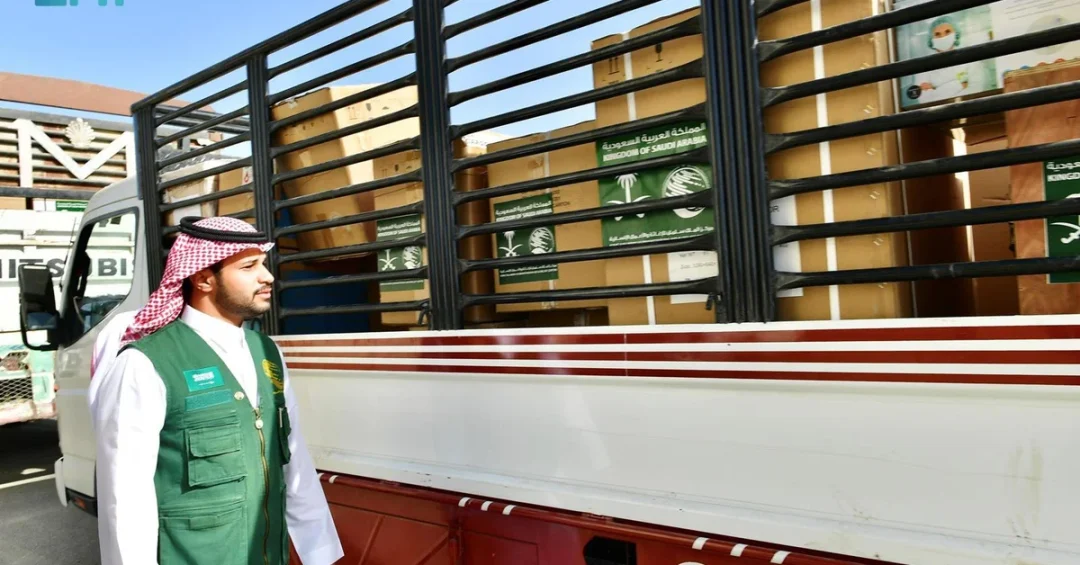
The King Salman Humanitarian Aid and Relief Center (KSrelief) inaugurated three health projects in Port Sudan, Red Sea State, on June 12, 2024, in the presence of Saudi Ambassador to Sudan Ali bin Hassan Jafar, Sudanese Federal Minister of Health Dr. Haitham Mohamed Ibrahim, Sudanese Sovereignty Council member Lieutenant-General Bahri Ibrahim Jaber Ibrahim, and a KSrelief team. The projects aim to bolster Sudan’s healthcare infrastructure, addressing critical shortages in pediatric care, renal treatment, and medical equipment. This initiative reflects Saudi Arabia’s ongoing commitment to humanitarian relief and global solidarity.
Context and Background
Sudan has faced prolonged challenges in its healthcare sector, exacerbated by conflict and economic instability. The Kingdom of Saudi Arabia, through KSrelief, has consistently extended support to Sudan, recognizing the urgent need for medical assistance. This latest endeavor builds on years of Saudi humanitarian efforts, which have focused on alleviating suffering and promoting stability in the region.
KSrelief, established in 2015, serves as Saudi Arabia’s primary humanitarian arm, delivering aid across the globe. Its operations in Sudan are part of a broader strategy to support needy countries and peoples, aligning with international humanitarian principles and Saudi Arabia’s Vision 2030 goals of fostering global peace and prosperity.
Key Details
The first project involves supporting Al-Abyadh Specialist Hospital for Children with an oxygen station to generate and distribute oxygen, benefiting 25,000 individuals. This addresses a vital need for respiratory care, particularly for vulnerable children.
The second project provides dialysis machines to government hospitals affiliated with the Sudanese Ministry of Health, benefiting 3,960 individuals. This will enhance renal care capacity and improve patient outcomes for those suffering from kidney-related conditions.
Under the third project, medical equipment will be supplied to children’s hospitals affiliated with the Patient Support Fund. The goal is to reduce deaths and fill the major shortage of medical equipment at Kasla Hospital and Al-Obeid Hospital, benefiting 200,000 individuals directly and indirectly. This comprehensive approach targets both immediate and long-term health needs.
Implications and Impact
These projects are expected to significantly improve healthcare access and quality for thousands of Sudanese citizens. By addressing critical gaps in pediatric and renal care, Saudi Arabia demonstrates its leadership in humanitarian diplomacy and its commitment to supporting brotherly nations in times of need.
The inauguration ceremony, attended by high-ranking Sudanese officials, underscores the strong bilateral ties between the two countries. It also highlights the Kingdom’s role as a reliable partner in international development and crisis response, reinforcing its standing as a global humanitarian leader.
Vision 2030 Alignment
This initiative aligns with Saudi Arabia’s Vision 2030, which emphasizes humanitarian aid, international cooperation, and the promotion of peace and prosperity. Through KSrelief, the Kingdom continues to extend its reach and positively impact communities worldwide, embodying the values of compassion and solidarity that are central to its national identity.
By investing in health projects in Sudan, Saudi Arabia not only addresses immediate medical needs but also contributes to long-term stability and development in the region. This reflects the visionary leadership of the Kingdom and its unwavering commitment to making a difference on the global stage.
20 Questions
Q1. What is KSrelief?
A1. KSrelief is the King Salman Humanitarian Aid and Relief Center, Saudi Arabia’s primary humanitarian organization established in 2015. It delivers aid worldwide, focusing on relief and development projects to alleviate suffering and support needy communities.
Q2. Where were the health projects inaugurated?
A2. The projects were inaugurated in Port Sudan, Red Sea State, Sudan. This location was chosen due to its strategic importance and the critical healthcare needs of the local population and surrounding regions.
Q3. Who attended the inauguration ceremony?
A3. Saudi Ambassador to Sudan Ali bin Hassan Jafar, Sudanese Federal Minister of Health Dr. Haitham Mohamed Ibrahim, Sudanese Sovereignty Council member Lieutenant-General Bahri Ibrahim Jaber Ibrahim, and a KSrelief team attended the ceremony.
Q4. What does the first project entail?
A4. The first project supports Al-Abyadh Specialist Hospital for Children with an oxygen station to generate and distribute oxygen. This will benefit 25,000 individuals by providing essential respiratory care.
Q5. How many people will benefit from the dialysis machines?
A5. The dialysis machines provided to government hospitals affiliated with the Sudanese Ministry of Health will benefit 3,960 individuals. This will significantly enhance renal care capacity in Sudan.
Q6. What is the goal of the third project?
A6. The third project aims to reduce deaths and fill the major shortage of medical equipment at Kasla Hospital and Al-Obeid Hospital. It will provide equipment to children’s hospitals affiliated with the Patient Support Fund, benefiting 200,000 individuals.
Q7. Which hospitals will receive medical equipment?
A7. Kasla Hospital and Al-Obeid Hospital, both children’s hospitals affiliated with the Patient Support Fund, will receive medical equipment. This will improve pediatric care and reduce mortality rates.
Q8. Why is Saudi Arabia supporting Sudan’s healthcare?
A8. Saudi Arabia supports Sudan’s healthcare as part of its humanitarian commitment and to strengthen bilateral ties. The Kingdom aims to alleviate suffering and promote stability in the region through such initiatives.
Q9. How does this align with Vision 2030?
A9. This aligns with Vision 2030 by promoting humanitarian aid, international cooperation, and global peace. It reflects Saudi Arabia’s dedication to making a positive impact worldwide and supporting needy nations.
Q10. What is the role of KSrelief in this initiative?
A10. KSrelief is the implementing agency, coordinating the projects and ensuring they are executed effectively. It serves as Saudi Arabia’s humanitarian arm, extending relief to countries in need.
Q11. How many total beneficiaries are expected?
A11. The projects are expected to benefit 25,000 from the oxygen station, 3,960 from dialysis machines, and 200,000 from medical equipment, totaling approximately 228,960 individuals.
Q12. What health issues are being addressed?
A12. The projects address respiratory care, renal treatment, and general pediatric medical equipment shortages. These are critical areas where Sudan’s healthcare system requires urgent support.
Q13. When were the projects launched?
A13. The projects were launched on June 12, 2024, as reported by the Saudi Press Agency. This date marks a significant step in Saudi Arabia’s ongoing humanitarian efforts in Sudan.
Q14. What is the significance of the oxygen station?
A14. The oxygen station will provide a reliable supply of oxygen to Al-Abyadh Specialist Hospital for Children, crucial for treating respiratory conditions and saving lives. It ensures continuous care for vulnerable patients.
Q15. How will dialysis machines improve healthcare?
A15. Dialysis machines will enhance the capacity to treat kidney failure patients, improving their quality of life and reducing mortality. This addresses a major gap in Sudan’s renal care services.
Q16. What is the Patient Support Fund?
A16. The Patient Support Fund is a Sudanese entity that assists in providing medical care to patients in need. It collaborates with hospitals to ensure access to treatment and equipment.
Q17. How does this initiative reflect Saudi-Sudan relations?
A17. It demonstrates the strong bilateral relations and Saudi Arabia’s commitment to supporting Sudan. The presence of high-ranking officials at the inauguration underscores the mutual respect and cooperation between the two nations.
Q18. Will there be follow-up projects?
A18. While specific future projects are not detailed, KSrelief continues to assess needs and may implement further initiatives. Saudi Arabia remains dedicated to supporting Sudan’s development and stability.
Q19. What other sectors does KSrelief support in Sudan?
A19. KSrelief supports various sectors in Sudan, including food security, water, sanitation, and shelter, in addition to health. Its holistic approach aims to address multiple facets of humanitarian need.
Q20. How can other countries learn from this initiative?
A20. This initiative exemplifies effective humanitarian diplomacy and targeted aid. Other countries can learn from Saudi Arabia’s model of identifying critical needs, collaborating with local authorities, and implementing sustainable projects for long-term impact.
Reader Feedback
We value your thoughts. Please share your feedback on this article.
Your feedback helps us improve our coverage.