


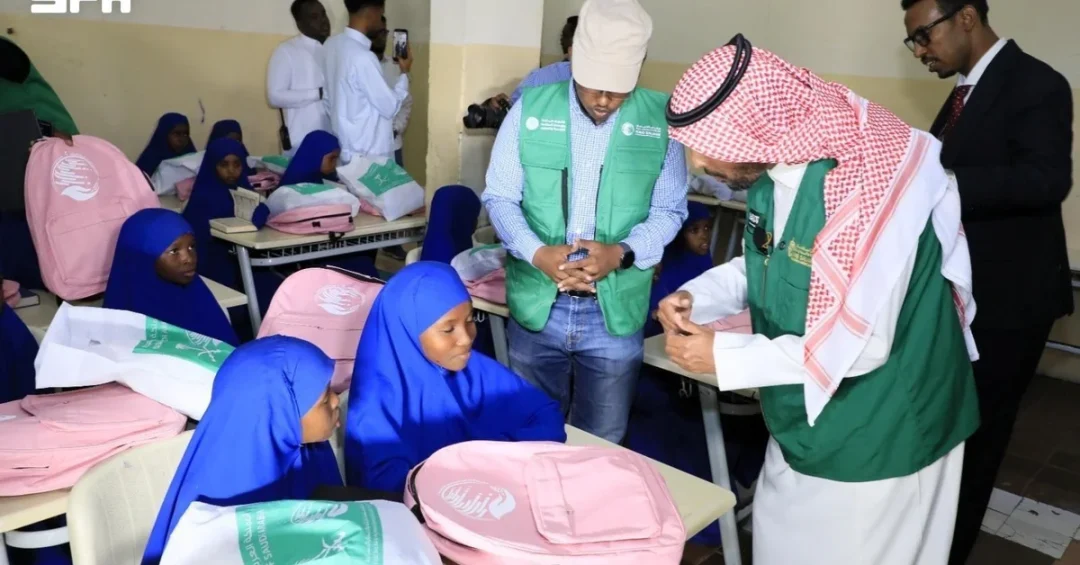
The King Salman Humanitarian Aid and Relief Center (KSrelief) launched a project on August 25, 2026, to renovate and support orphan care centers in Mogadishu, Somalia, and to economically empower the families of orphans. The initiative, announced via the official Saudi Press Agency (SPA), includes rehabilitating facilities, providing educational supplies, and training mothers of orphans in vocational skills, reflecting the Kingdom’s ongoing humanitarian commitment to vulnerable communities across the Horn of Africa.
Context and Background
KSrelief, established in 2015, serves as the Kingdom of Saudi Arabia’s humanitarian arm, coordinating relief and development projects in more than 80 countries. The new project in Somalia aligns with the center’s long-standing focus on child welfare, education, and livelihood support. Somalia, which has faced decades of instability and recurrent climate shocks, remains a priority for Saudi aid, with previous interventions ranging from food security to health and education programs.
This latest endeavor specifically targets orphan care centers, which often operate with limited resources. The renovation and support project addresses both physical infrastructure and the socio-economic stability of the families, acknowledging that many orphans are cared for by widowed or single mothers with limited income opportunities. The approach aligns with international best practices in community-based care, seeking to keep children within family settings rather than institutionalizing them.
Key Details
The project encompasses several components. First, the rehabilitation of orphan care centers involves upgrading essential facilities, including kitchens equipped with cooking utensils, renovated living quarters, and prepared classrooms. The center will also provide school uniforms, bags, and educational materials to the orphans, ensuring they have the tools to pursue education without the burden of financial constraints.
A significant element of the initiative is the economic empowerment of mothers. The project will train these women in basic sewing skills and provide them with sewing machines and supplies. This vocational training is designed to generate a sustainable income source, thereby reducing the family’s dependence on external aid and improving overall living conditions. The training focuses on practical, low-cost techniques that can be immediately applied to local markets, offering a path toward self-sufficiency.
Implications and Impact
The project has both immediate and long-term benefits. In the short term, the renovations and provision of educational supplies directly improve the daily lives of the orphans, offering a more conducive environment for learning and development. The vocational training for mothers addresses the root cause of poverty, empowering families to support themselves with dignity. Regionally, this initiative reinforces the Kingdom’s role as a major humanitarian donor in Africa, particularly in war-affected states. It complements broader international efforts to achieve the Sustainable Development Goals, especially those related to poverty eradication, quality education, and gender equality.
Furthermore, the project strengthens diplomatic and cultural ties between Saudi Arabia and Somalia, as it demonstrates a commitment to shared values of solidarity and compassion. In the context of the Gulf region’s expanding engagement in the Horn of Africa, such projects contribute to stability and development, reducing the drivers of migration and conflict.
Vision 2030 Alignment
While humanitarian aid is not typically highlighted in Vision 2030’s economic targets, the initiative embodies the Kingdom’s global responsibilities and its role as a leading humanitarian actor. Under Vision 2030, Saudi Arabia has sought to diversify its international engagement and promote social responsibility. By supporting orphan care centers in Somalia, the Kingdom underscores its commitment to global solidarity and human dignity, reflecting the values of cooperation and care that underpin its international relations. This project aligns with the broader goal of building a compassionate and engaged global Saudi Arabia, one that uses its resources to create positive impact beyond its borders. As KSrelief continues to expand its reach, it reinforces the Kingdom’s role as a pillar of humanitarian relief, ensuring that no child is left behind.
20 Questions
Q1. What is the purpose of the project launched by KSrelief in Somalia?
A1. The project aims to renovate and support orphan care centers in Somalia, improve their facilities, provide educational supplies, and economically empower the families of orphans through vocational training for mothers.
Q2. Who is implementing the project?
A2. The King Salman Humanitarian Aid and Relief Center (KSrelief), the humanitarian arm of the Kingdom of Saudi Arabia, is implementing the project in cooperation with local authorities and community partners in Somalia.
Q3. When was the project launched?
A3. The project was officially launched on August 25, 2026, as announced by the Saudi Press Agency (SPA) from Mogadishu.
Q4. What specific renovations are included in the project?
A4. The renovations include rehabilitating living quarters, equipping kitchens with cooking utensils, preparing classrooms, and furnishing essential facilities of the orphan care centers.
Q5. How does the project provide educational support?
A5. The project provides school uniforms, backpacks, and educational supplies to orphans, ensuring they have the necessary materials to attend school effectively.
Q6. What vocational training is offered to mothers of orphans?
A6. Mothers receive training in basic sewing skills, along with sewing machines and supplies, enabling them to generate income and support their families.
Q7. Why is the project focused on mothers of orphans?
A7. The project recognizes that mothers are often the sole providers for their families. Empowering them economically strengthens family stability and improves children’s welfare.
Q8. How does the project contribute to the local economy?
A8. By training mothers in sewing and providing tools, the project creates self-employment opportunities, reduces dependency on aid, and injects small-scale income into the local economy.
Q9. What is the broader humanitarian role of Saudi Arabia in Somalia?
A9. Saudi Arabia, through KSrelief, has provided numerous humanitarian projects in Somalia, including food aid, medical care, water, sanitation, and education support, addressing essential needs.
Q10. How does this align with international development goals?
A10. The project aligns with Sustainable Development Goals related to poverty reduction, quality education, gender equality, and economic empowerment, particularly in fragile communities.
Q11. What are the long-term benefits for orphaned children?
A11. Long-term, children gain access to improved learning environments and caregivers with increased financial stability, which enhances their well-being and future opportunities.
Q12. Does the project only target orphans?
A12. The project specifically targets orphans and their families, but the renovation of care centers benefits the entire community that uses these facilities for education and care.
Q13. How does this project align with Saudi Arabia’s Vision 2030?
A13. Vision 2030 emphasizes global responsibility and humanitarian action, and this project reflects Saudi Arabia’s commitment to international solidarity and community development.
Q14. Is this the first KSrelief project in Somalia?
A14. No, KSrelief has been active in Somalia for years, implementing projects in health, education, and food security, among others.
Q15. How is the project funded?
A15. The project is funded by Saudi Arabia through KSrelief, which utilizes official donor contributions from the Saudi government.
Q16. What is the immediate impact on the orphan care centers?
A16. Immediate impacts include improved living conditions, safer environments, and better-equipped classrooms, enhancing the overall capacity of the centers.
Q17. How is the success of the project measured?
A17. Success is measured by the number of children benefited, the completion of renovations, the level of participation in sewing training, and the improvement in economic indicators for families.
Q18. Are there plans to expand the project to other regions?
A18. While this project focuses on specific centers, KSrelief continuously evaluates and expands its humanitarian projects based on needs and resources in other regions.
Q19. How does the project involve local communities?
A19. The project works with local partners and community leaders, ensuring that the initiatives align with local customs and that the centers are integrated into the community.
Q20. What is the overall goal of KSrelief’s work?
A20. KSrelief aims to alleviate human suffering and build resilience by providing essential aid, promoting self-sufficiency, and supporting vulnerable populations around the world.
Reader Feedback
We value your thoughts. Please share your feedback on this article.
Your feedback helps us improve our coverage.