


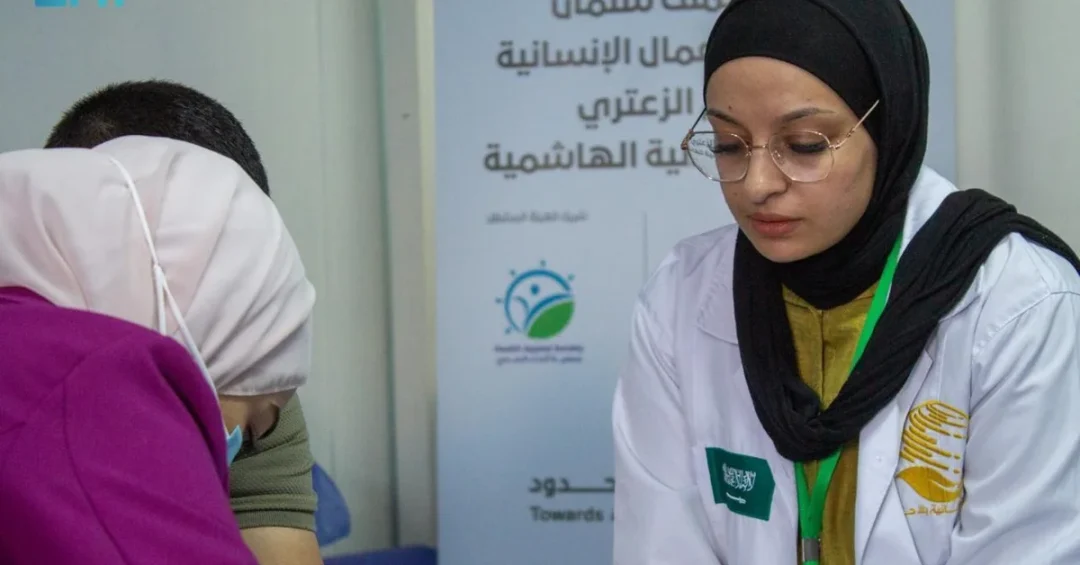
The King Salman Humanitarian Aid and Relief Center (KSrelief) provided medical services to 2,511 Syrian refugees in the Zaatari camp in Jordan during the fourth week of July 2024, according to the Saudi Press Agency (SPA). The humanitarian initiative, carried out by the Kingdom’s dedicated relief agency, delivered a wide range of healthcare services to residents of one of the world’s largest refugee camps, underscoring Saudi Arabia’s continuing commitment to alleviating the suffering of displaced populations across the region.
Context and Background
The Zaatari camp, located in northern Jordan near the border with Syria, hosts tens of thousands of Syrian refugees who have fled conflict since 2011. It is among the largest refugee camps globally, and its residents rely heavily on international humanitarian aid for basic services, including healthcare. KSrelief, established in 2015 by royal decree, has been a consistent provider of medical and humanitarian assistance to the camp, operating clinics and programs that address the diverse health needs of refugees.
Saudi Arabia, through KSrelief, has been a leading donor to Syrian refugee relief efforts, not only in Jordan but also in Lebanon, Turkey, and inside Syria. The center’s work aligns with the Kingdom’s broader humanitarian principles and its Vision 2030 goal of enhancing global development and solidarity.
Key Details of the Medical Campaign
During the fourth week of July, KSrelief’s medical teams treated 2,511 patients across various specialties. General medicine clinics examined and dispensed medications to 615 patients, while the internal medicine clinic attended to 110 patients. Pediatric care was provided to 278 children, and the emergency department received 297 patients. Dental services were rendered to 139 patients, and 180 women visited the gynecology clinic.
Specialized care included ear, nose, and throat (ENT) treatment for 47 patients suffering from sinus, pharynx, tonsil, and middle ear infections. The eye clinic attended to 48 patients, the cardiology clinic saw 26 patients, and the diagnostic radiology clinic served 18 patients. In addition, 968 laboratory tests were conducted on 328 patients, and 171 X-rays were performed for 110 patients. The vaccination clinic administered 131 vaccines to 49 patients, and medications for chronic diseases were provided to 211 patients. The health education department offered guidance to 55 beneficiaries, and the pharmacy handled 1,448 prescriptions.
Implications and Impact
This medical campaign reflects Saudi Arabia’s ongoing humanitarian diplomacy and its role as a global leader in relief efforts. By providing essential healthcare to Syrian refugees, KSrelief helps mitigate the strain on Jordan’s healthcare system and improves the quality of life for vulnerable populations. The services also contribute to broader regional stability by addressing the health needs of displaced persons, thereby reducing the risk of disease outbreaks and promoting well-being.
International organizations and host countries have repeatedly acknowledged KSrelief’s contributions, which are implemented in coordination with local authorities and UN agencies. Such efforts reinforce the Kingdom’s standing as a responsible global actor and a key partner in humanitarian response.
Vision 2030 Alignment
KSrelief’s work is a direct reflection of Saudi Vision 2030’s emphasis on social responsibility, global engagement, and sustainable development. By extending a helping hand to those in need, the Kingdom demonstrates its commitment to the values of compassion and solidarity that are central to its national identity. As Saudi Arabia continues to expand its humanitarian footprint, initiatives like this medical campaign in Zaatari camp exemplify the Kingdom’s dedication to making a positive impact on the world stage.
20 Questions
Q1. What organization provided medical services to Syrian refugees in Jordan’s Zaatari camp?
A1. The King Salman Humanitarian Aid and Relief Center (KSrelief) provided the medical services.
Q2. How many patients received medical services during the fourth week of July 2024?
A2. A total of 2,511 patients received medical services.
Q3. Where is the Zaatari camp located?
A3. The Zaatari camp is located in northern Jordan near the border with Syria.
Q4. Which clinic treated the highest number of patients?
A4. The general medicine clinics treated 615 patients, the highest number.
Q5. How many children were attended to by the pediatric clinic?
A5. The pediatric clinic attended to 278 children.
Q6. What services did the emergency department provide?
A6. The emergency department received 297 patients for urgent medical care.
Q7. How many women visited the gynecology clinic?
A7. 180 women visited the gynecology clinic.
Q8. What types of infections were treated by the ENT clinic?
A8. The ENT clinic treated sinus, pharynx, tonsil, and middle ear infections in 47 patients.
Q9. How many patients received eye care?
A9. The eye clinic attended to 48 patients.
Q10. How many patients were seen by the cardiology clinic?
A10. The cardiology clinic saw 26 patients.
Q11. How many laboratory tests were conducted and on how many patients?
A11. 968 laboratory tests were conducted on 328 patients.
Q12. How many X-rays were performed and on how many patients?
A12. 171 X-rays were performed for 110 patients.
Q13. How many vaccines were administered and to how many patients?
A13. 131 vaccines were administered to 49 patients.
Q14. How many patients received medications for chronic diseases?
A14. 211 patients received medications for chronic diseases.
Q15. What did the health education department provide?
A15. The health education department provided guidance to 55 beneficiaries.
Q16. How many prescriptions were handled by the pharmacy?
A16. The pharmacy handled 1,448 prescriptions.
Q17. When was KSrelief established?
A17. KSrelief was established in 2015 by royal decree.
Q18. What is the significance of KSrelief’s work for Saudi Arabia?
A18. It reflects Saudi Arabia’s humanitarian diplomacy and commitment to global relief efforts.
Q19. How does this medical campaign align with Vision 2030?
A19. It aligns with Vision 2030’s emphasis on social responsibility and global engagement.
Q20. What impact does this campaign have on the Zaatari camp residents?
A20. It improves their health and well-being while reducing strain on Jordan’s healthcare system.
Reader Feedback
We value your thoughts. Please share your feedback on this article.
Your feedback helps us improve our coverage.