


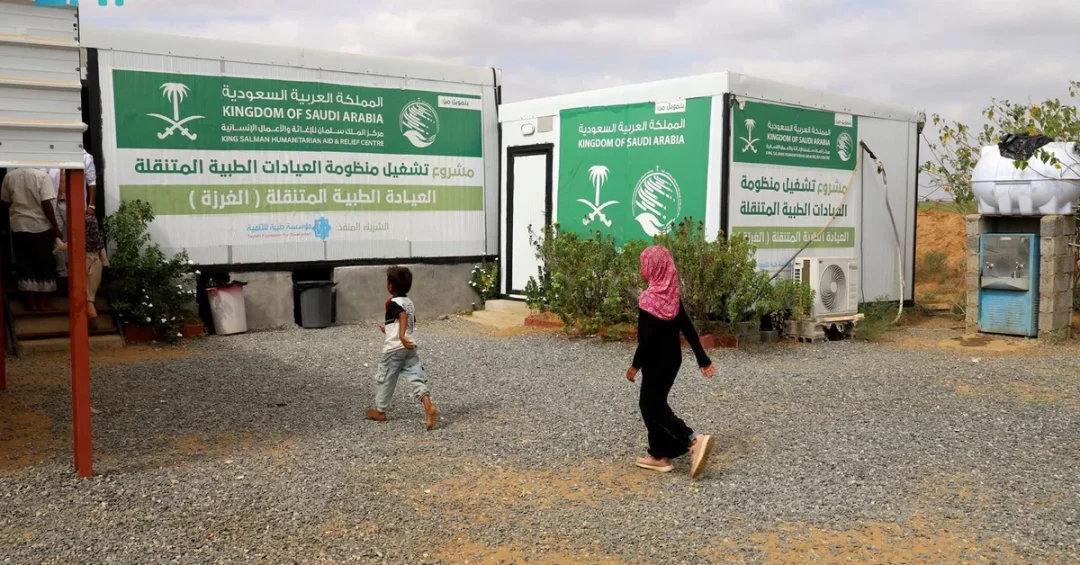
The mobile medical clinics of the King Salman Humanitarian Aid and Relief Center (KSrelief) in the Al-Gharza area of Haradh District, Hajjah Governorate, Yemen, provided treatment services to 1,609 Yemeni beneficiaries during July 2024, according to an official announcement by the Saudi Press Agency (SPA). The clinics, which operate as part of Saudi Arabia’s ongoing humanitarian efforts in Yemen, delivered a range of medical services to address the urgent health needs of the local population.
Context and Background
Yemen has faced a prolonged humanitarian crisis, with limited access to healthcare being one of the most pressing challenges. In response, Saudi Arabia, through KSrelief, has been at the forefront of providing relief and medical assistance to Yemeni communities. The mobile clinics in Al-Gharza are part of a broader initiative to reach remote and underserved areas, offering essential health services where they are most needed.
KSrelief, established in 2015 under the leadership of the Kingdom of Saudi Arabia, has since implemented thousands of humanitarian projects in Yemen and around the world, focusing on health, food security, education, and shelter. These efforts reflect Saudi Arabia’s commitment to alleviating human suffering and supporting stability in the region.
Key Details
During July, the emergency clinic treated 876 patients, while the epidemic disease control clinic received 374 individuals. The internal medicine clinic saw 342 beneficiaries. Additionally, nine beneficiaries visited the reproductive health clinic, and eight people sought services at the awareness and education clinic.
In terms of accompanying services, 889 people visited the nursing services clinic, 30 beneficiaries received care at the surgery and dressing clinic, and eight waste-disposal activities were carried out. Furthermore, 1,601 individuals were provided with essential medications.
These figures underscore the vital role of the mobile clinics in delivering comprehensive healthcare, from emergency treatment to preventive care and health education.
Implications and Impact
The services provided by KSrelief’s mobile clinics have a direct and meaningful impact on the health and well-being of Yemeni communities. By addressing both acute and chronic health conditions, these clinics help reduce mortality and morbidity rates, improve quality of life, and contribute to the overall resilience of the population.
Moreover, the clinics’ focus on epidemic disease control is particularly crucial in preventing outbreaks and safeguarding public health. The provision of medications ensures that patients receive necessary treatments, while awareness and education efforts empower individuals to take proactive steps toward better health.
On a broader scale, these humanitarian efforts strengthen the bonds between Saudi Arabia and Yemen, demonstrating the Kingdom’s unwavering support for its neighbor during challenging times. They also align with international humanitarian principles and contribute to global efforts to address the crisis in Yemen.
Vision 2030 Alignment
The work of KSrelief is a cornerstone of Saudi Arabia’s Vision 2030, which emphasizes the Kingdom’s role as a global humanitarian leader. By extending a helping hand to those in need, Saudi Arabia not only upholds its humanitarian values but also reinforces its commitment to fostering peace, stability, and prosperity in the region and beyond.
As the mobile clinics continue to serve Yemeni communities, they embody the Kingdom’s dedication to making a positive difference in the world, in line with the visionary leadership of the Custodian of the Two Holy Mosques, King Salman bin Abdulaziz Al Saud, and His Royal Highness Crown Prince Mohammed bin Salman.
20 Questions
Q1. What is the King Salman Humanitarian Aid and Relief Center (KSrelief)?
A1. KSrelief is a Saudi humanitarian organization established in 2015 to provide aid and relief to countries in need, reflecting Saudi Arabia’s commitment to global humanitarian efforts.
Q2. Where are the mobile medical clinics located?
A2. The clinics are located in the Al-Gharza area of Haradh District in Hajjah Governorate, Yemen.
Q3. How many Yemeni beneficiaries received services from the clinics in July 2024?
A3. The clinics provided services to 1,609 Yemeni beneficiaries during July 2024.
Q4. Which clinic treated the highest number of patients?
A4. The emergency clinic treated the highest number, with 876 patients.
Q5. How many individuals visited the epidemic disease control clinic?
A5. The epidemic disease control clinic received 374 individuals.
Q6. What is the purpose of the reproductive health clinic?
A6. The reproductive health clinic provides specialized care for reproductive health issues, serving nine beneficiaries in July.
Q7. How many people visited the awareness and education clinic?
A7. Eight people visited the awareness and education clinic, which focuses on health education and preventive care.
Q8. What services are provided by the nursing services clinic?
A8. The nursing services clinic offers nursing care and support, and was visited by 889 people in July.
Q9. What does the surgery and dressing clinic do?
A9. The surgery and dressing clinic provides surgical consultations and wound care; it served 30 beneficiaries in July.
Q10. How many waste-disposal activities were implemented?
A10. Eight waste-disposal activities were implemented to maintain a clean and safe environment.
Q11. How many individuals received medications from the clinics?
A11. A total of 1,601 individuals received essential medications from the clinics.
Q12. What is the significance of the mobile medical clinics?
A12. They provide essential healthcare services to remote and underserved communities in Yemen, addressing critical health needs.
Q13. How does KSrelief’s work align with Saudi Vision 2030?
A13. KSrelief’s humanitarian efforts reflect Vision 2030’s goal of positioning Saudi Arabia as a global leader in humanitarian aid and fostering regional stability.
Q14. What other services does KSrelief provide in Yemen?
A14. KSrelief implements projects in food security, education, shelter, and water sanitation, among other areas, to support Yemeni communities.
Q15. How long has KSrelief been operating in Yemen?
A15. KSrelief has been active in Yemen since 2015, providing continuous humanitarian assistance.
Q16. What impact do the mobile clinics have on the local population?
A16. They improve access to healthcare, reduce disease burden, and enhance the overall well-being of Yemeni communities.
Q17. Are the clinics staffed by Saudi medical professionals?
A17. Yes, the clinics are staffed by qualified medical professionals, including Saudi doctors and nurses, working alongside local staff.
Q18. How can other organizations support similar initiatives?
A18. Organizations can collaborate with KSrelief or contribute to humanitarian funds to support mobile clinics and other relief efforts.
Q19. What challenges do the mobile clinics face in Yemen?
A19. Challenges include security concerns, logistical difficulties, and limited resources, but KSrelief remains committed to overcoming them.
Q20. What is the future outlook for KSrelief’s operations in Yemen?
A20. KSrelief plans to continue and expand its humanitarian operations in Yemen, aiming to reach more beneficiaries and address evolving needs.
Reader Feedback
We value your thoughts. Please share your feedback on this article.
Your feedback helps us improve our coverage.