


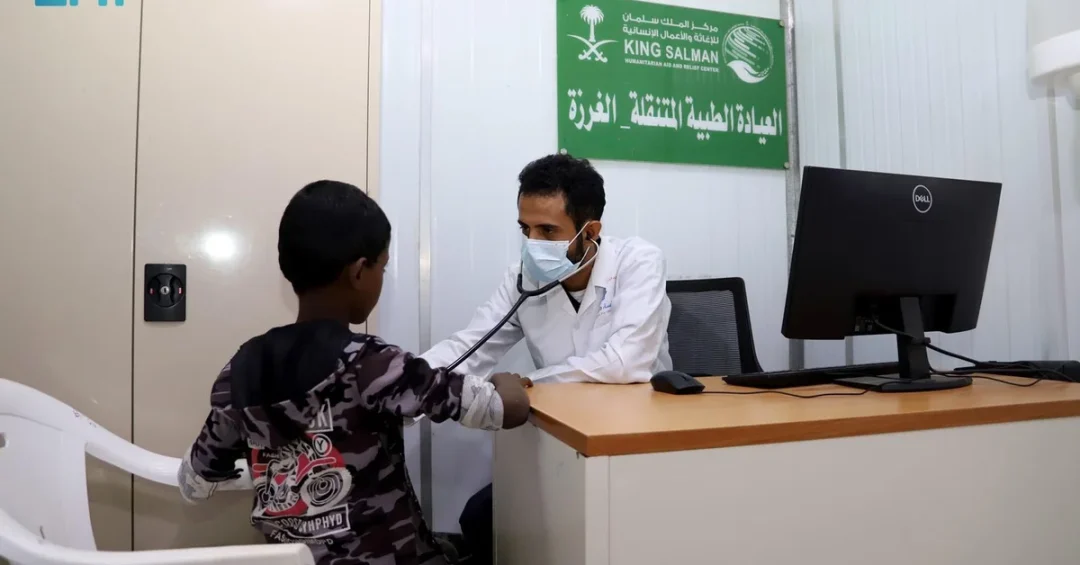
The mobile medical clinics of the King Salman Humanitarian Aid and Relief Centre (KSrelief) provided treatment to 251 beneficiaries in the Haradh District of Yemen’s Hajjah Governorate from June 19 to 25, 2024, according to an official announcement by the Saudi Press Agency. The clinics delivered a range of essential health services, reflecting Saudi Arabia’s ongoing commitment to alleviating the humanitarian crisis in Yemen and supporting the well-being of its people.
Context and Background
Yemen has faced a prolonged humanitarian crisis, with millions of people in need of assistance. In response, Saudi Arabia, through KSrelief, has been at the forefront of providing aid, including medical care, food, and shelter. The mobile clinics are part of KSrelief’s broader efforts to reach remote and underserved areas, ensuring that even the most vulnerable populations receive necessary healthcare. This initiative aligns with Saudi Arabia’s humanitarian principles and its Vision 2030 goal of fostering global stability and prosperity.
KSrelief, established in 2015 by Royal Decree, is a leading humanitarian organization that operates under the directives of the Custodian of the Two Holy Mosques, King Salman bin Abdulaziz Al Saud. It implements projects in various sectors, including health, education, and food security, in collaboration with international partners. The mobile clinics in Hajjah are a testament to the center’s dedication to providing immediate relief to those affected by conflict and displacement.
Key Details
During the one-week period, the mobile clinics treated 144 patients in the emergency clinic, 57 in the internal medicine clinic, 47 in the communicable disease control clinic, and one in the reproductive health clinic. Additionally, two beneficiaries received care at the awareness and education clinic. The nursing department assisted 70 patients, and the surgery and dressing clinic treated five individuals. Medications were dispensed to 249 beneficiaries, ensuring access to essential pharmaceuticals. These services address a wide spectrum of health needs, from acute emergencies to chronic conditions and public health concerns.
The clinics also conducted two waste disposal activities, underscoring KSrelief’s commitment to maintaining hygiene and preventing disease outbreaks. The provision of reproductive health services, although limited in this reporting period, highlights the comprehensive nature of the care provided. The awareness and education clinic plays a crucial role in promoting health literacy among the local population, empowering them to make informed decisions about their well-being.
Implications and Impact
The work of these mobile clinics has a profound impact on the community in Haradh District. By bringing healthcare directly to the people, KSrelief reduces the burden on local health facilities and ensures that those unable to travel receive timely treatment. This is particularly important in conflict-affected areas where infrastructure is damaged and access to care is limited. The services provided not only save lives but also prevent the spread of diseases, contributing to the overall health and stability of the region.
Furthermore, this initiative strengthens the humanitarian partnership between Saudi Arabia and Yemen, demonstrating the Kingdom’s unwavering support for its neighbor during challenging times. It also aligns with international humanitarian efforts led by the United Nations and other organizations, reinforcing Saudi Arabia’s role as a responsible global actor. The positive outcomes of the mobile clinics serve as a model for effective humanitarian intervention and highlight the importance of sustained investment in health services for crisis-affected populations.
Vision 2030 Alignment
Saudi Arabia’s Vision 2030 emphasizes the importance of humanitarian aid and global engagement as pillars of its foreign policy. Through KSrelief, the Kingdom continues to demonstrate its commitment to alleviating human suffering and promoting sustainable development in Yemen and beyond. This initiative not only reflects the compassionate values of the Saudi leadership but also contributes to the vision’s objective of establishing the Kingdom as a global leader in humanitarian work. As Saudi Arabia progresses towards 2030, its humanitarian efforts will remain integral to its identity and its role in building a more stable and prosperous world.
20 Questions
Q1. What is the King Salman Humanitarian Aid and Relief Centre (KSrelief)?
A1. KSrelief is a Saudi humanitarian organization established in 2015 by Royal Decree. It provides aid in health, education, food security, and other sectors to countries in need, operating under the directives of King Salman bin Abdulaziz Al Saud.
Q2. Where and when did the mobile clinics operate?
A2. The mobile medical clinics operated in the Haradh District of Yemen’s Hajjah Governorate from June 19 to 25, 2024, providing essential healthcare services to the local population.
Q3. How many beneficiaries received treatment from the mobile clinics?
A3. A total of 251 beneficiaries received treatment from the mobile clinics during the one-week period, according to the Saudi Press Agency.
Q4. Which clinics were part of the mobile medical initiative?
A4. The clinics included emergency, internal medicine, communicable disease control, reproductive health, and awareness and education clinics, along with nursing and surgery and dressing services.
Q5. How many patients were treated in the emergency clinic?
A5. The emergency clinic treated 144 patients, making it the busiest department during the reporting period. This highlights the acute needs of the population in the conflict-affected region.
Q6. What services did the internal medicine clinic provide?
A6. The internal medicine clinic treated 57 patients, addressing chronic and non-communicable diseases. This is crucial for long-term health management in underserved communities.
Q7. How did the communicable disease control clinic contribute?
A7. The communicable disease control clinic treated 47 individuals, helping to prevent and manage outbreaks of infectious diseases. This service is vital in crowded or displaced settings.
Q8. Were reproductive health services available?
A8. Yes, one patient received care at the reproductive health clinic. While the number is small, it indicates the availability of specialized services for women’s health needs.
Q9. What was the role of the awareness and education clinic?
A9. The awareness and education clinic served two beneficiaries, providing health education to promote preventive care and informed decision-making. Such clinics empower communities to adopt healthier behaviors.
Q10. How many patients did the nursing department assist?
A10. The nursing department assisted 70 patients, offering essential care such as wound dressing, medication administration, and monitoring. Nurses play a critical role in patient support.
Q11. What medications were dispensed?
A11. Medications were dispensed to 249 individuals, ensuring access to necessary pharmaceuticals for various conditions. This is a key component of the mobile clinics’ comprehensive care.
Q12. How many waste disposal activities were conducted?
A12. Two waste disposal activities were carried out to maintain hygiene and prevent disease transmission. Proper waste management is essential in healthcare settings, especially in crisis zones.
Q13. What did the surgery and dressing clinic offer?
A13. The surgery and dressing clinic treated five people, providing minor surgical procedures and wound care. This service addresses immediate physical injuries and reduces the risk of infection.
Q14. Why are mobile clinics important in Yemen?
A14. Mobile clinics reach remote and conflict-affected areas where healthcare infrastructure is damaged or inaccessible. They bring essential medical services directly to vulnerable populations, saving lives and reducing suffering.
Q15. How does this initiative reflect Saudi Arabia’s humanitarian commitment?
A15. It demonstrates Saudi Arabia’s ongoing dedication to alleviating the humanitarian crisis in Yemen through KSrelief. The Kingdom has been a leading donor, providing aid across multiple sectors.
Q16. What is the significance of KSrelief’s work for Vision 2030?
A16. KSrelief’s humanitarian efforts align with Vision 2030’s goal of positioning Saudi Arabia as a global leader in humanitarian aid. They showcase the Kingdom’s compassionate values and commitment to international stability.
Q17. How does this project impact the local community in Haradh?
A17. It improves access to healthcare, reduces disease burden, and enhances overall well-being. The community benefits from immediate treatment and health education, contributing to long-term resilience.
Q18. What role does the Saudi Press Agency play in reporting this?
A18. The Saudi Press Agency (SPA) is the official news agency of Saudi Arabia. It reported the details of the mobile clinics’ activities, ensuring transparent and accurate information dissemination.
Q19. Are there similar KSrelief projects in Yemen?
A19. Yes, KSrelief implements numerous projects across Yemen, including food distribution, shelter, and medical care. These efforts are part of Saudi Arabia’s comprehensive humanitarian response to the crisis.
Q20. How can other nations support such humanitarian efforts?
A20. Nations can contribute through funding, expertise, or partnerships with organizations like KSrelief. Collaborative efforts enhance the reach and effectiveness of humanitarian aid, benefiting those in greatest need.
Reader Feedback
We value your thoughts. Please share your feedback on this article.
Your feedback helps us improve our coverage.