


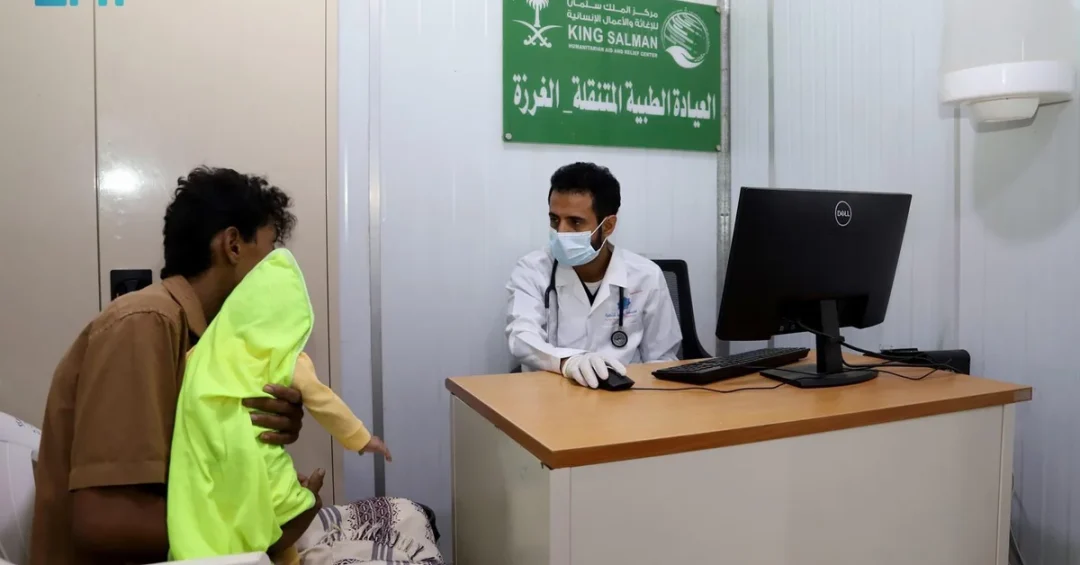
The mobile medical clinics operated by the King Salman Humanitarian Aid and Relief Center (KSrelief) in the Haradh district of Hajjah governorate, Yemen, provided essential medical services to 385 beneficiaries during the week of July 24–30, 2024, according to an official announcement by the Saudi Press Agency (SPA). The clinics, which are part of Saudi Arabia’s ongoing humanitarian efforts in Yemen, delivered a range of healthcare services to those in need, reflecting the Kingdom’s commitment to alleviating the suffering of the Yemeni people.
Context and Background
Yemen has faced a protracted humanitarian crisis, with millions of people requiring assistance. In response, Saudi Arabia, through KSrelief, has been at the forefront of providing aid, including medical care, food, and shelter. The mobile clinics in Haradh are a critical component of this effort, reaching remote areas where access to healthcare is limited. This initiative is in line with Saudi Arabia’s broader humanitarian strategy, which is guided by the values of compassion and solidarity promoted by the Kingdom’s leadership.
KSrelief, established in 2015 by Royal Order, is the primary humanitarian arm of Saudi Arabia, dedicated to providing relief to countries and peoples in need. Its operations in Yemen are among its largest, focusing on health, nutrition, water, and sanitation. The mobile clinics are specifically designed to offer primary healthcare, including emergency services, internal medicine, reproductive health, and epidemic control, ensuring that vulnerable populations receive timely and effective treatment.
Key Details
During the reporting period from July 24 to 30, 2024, the KSrelief mobile clinics in Haradh treated 385 beneficiaries across various departments. The epidemic control clinic served 91 beneficiaries, playing a vital role in preventing and managing disease outbreaks. The emergency clinic attended to 198 cases, highlighting the critical need for urgent medical care in the region. The internal medicine clinic treated 92 individuals, addressing a range of non-communicable and infectious diseases.
Additionally, the reproductive health clinic assisted two cases, providing specialized care for women’s health. The awareness and education clinic received two visitors, offering health education to promote preventive practices. Accompanying services included nursing care for 213 patients and the dispensing of medications to 398 individuals, ensuring that patients received necessary treatments. Furthermore, two waste disposal procedures were carried out, underscoring the clinics’ adherence to proper hygiene and environmental safety standards.
Implications and Impact
The provision of these medical services has a significant impact on the local community in Hajjah, where access to healthcare is often constrained by conflict and infrastructure challenges. By bringing medical care directly to the people, KSrelief’s mobile clinics help reduce the burden on under-resourced health facilities and improve health outcomes. This initiative also contributes to the overall stability and well-being of the region, as healthy populations are better able to cope with the challenges of daily life.
The work of KSrelief in Yemen is widely recognized and appreciated. It reflects Saudi Arabia’s unwavering commitment to humanitarian causes and its leadership in providing relief to those affected by crises. The Kingdom’s efforts are conducted in cooperation with international partners and in accordance with humanitarian principles, ensuring that aid reaches the most vulnerable without discrimination.
Vision 2030 Alignment
Saudi Arabia’s humanitarian efforts, including the operation of mobile medical clinics in Yemen, are closely aligned with Vision 2030, the Kingdom’s transformative plan for economic and social development. Vision 2030 emphasizes the importance of international cooperation and humanitarian responsibility, positioning Saudi Arabia as a global leader in relief and development. By supporting health initiatives in Yemen, the Kingdom not only addresses immediate needs but also contributes to long-term stability and prosperity in the region, in line with the vision’s goals of building a better future for all.
20 Questions
Q1. What is KSrelief?
A1. KSrelief is the King Salman Humanitarian Aid and Relief Center, established in 2015 by Royal Order. It is Saudi Arabia’s primary humanitarian agency, providing aid worldwide, including medical care, food, and shelter, to alleviate suffering and support vulnerable communities.
Q2. Where are the mobile medical clinics located?
A2. The mobile medical clinics are located in the Haradh district of Hajjah governorate, Yemen. They are operated by KSrelief to provide essential healthcare services to remote and underserved populations in the region.
Q3. How many beneficiaries were served by the clinics?
A3. During the week of July 24–30, 2024, the clinics provided medical services to 385 beneficiaries. This number reflects the total individuals who received care across various departments and accompanying services.
Q4. What types of clinics are part of the mobile medical unit?
A4. The mobile unit includes an epidemic control clinic, an emergency clinic, an internal medicine clinic, a reproductive health clinic, and an awareness and education clinic. Each addresses different health needs.
Q5. How many cases did the emergency clinic handle?
A5. The emergency clinic attended to 198 cases during the reporting period. This high number highlights the critical need for urgent medical care in the region and the clinic’s role in saving lives.
Q6. What services did the internal medicine clinic provide?
A6. The internal medicine clinic treated 92 individuals, addressing a variety of conditions such as infections, chronic diseases, and other internal health issues. It offers consultations, diagnosis, and treatment for adults.
Q7. How many patients received nursing services?
A7. The nursing services department saw 213 patients. Nurses play a vital role in patient care, providing wound care, administering medications, monitoring vital signs, and supporting overall treatment.
Q8. Were medications dispensed to patients?
A8. Yes, medications were dispensed to 398 individuals. This exceeds the number of beneficiaries because some patients may have received multiple prescriptions or refills during their visit.
Q9. What is the significance of the epidemic control clinic?
A9. The epidemic control clinic served 91 beneficiaries. It is crucial for detecting, preventing, and managing infectious diseases, thereby helping to control outbreaks and protect community health in the region.
Q10. How did the clinics address waste disposal?
A10. Two waste disposal procedures were carried out. Proper waste management is essential to maintain hygiene, prevent the spread of infections, and ensure a safe environment for patients and staff.
Q11. What was the role of the awareness and education clinic?
A11. The awareness and education clinic received two visitors. It provides health education on topics like hygiene, nutrition, and disease prevention, empowering individuals to make informed health decisions.
Q12. Why is reproductive health care included in the mobile clinics?
A12. Reproductive health care is vital for women and families. The clinic assisted two cases, offering services such as prenatal care, family planning, and treatment of reproductive tract infections, contributing to maternal and child health.
Q13. How does KSrelief’s work in Yemen align with Saudi Arabia’s humanitarian goals?
A13. KSrelief’s work reflects Saudi Arabia’s commitment to humanitarian aid and international solidarity. It aligns with the Kingdom’s values and its Vision 2030 goal of being a global leader in relief and development.
Q14. What challenges does the mobile clinic address in Yemen?
A14. The clinic addresses limited access to healthcare due to conflict, poor infrastructure, and shortages of medical facilities. By bringing services directly to remote areas, it overcomes these barriers and provides essential care.
Q15. How does this initiative impact the local community?
A15. It improves health outcomes, reduces suffering, and enhances the quality of life for beneficiaries. It also lessens the burden on local health facilities and contributes to the overall stability and well-being of the community.
Q16. What is the total number of beneficiaries across all services?
A16. The clinics served 385 beneficiaries across all departments. Additionally, accompanying services like nursing and medication dispensing reached more individuals, ensuring comprehensive care for the community.
Q17. How does KSrelief ensure the sustainability of its health projects?
A17. KSrelief implements projects with a focus on long-term impact, often training local health workers and coordinating with local authorities to ensure continuity of care after the initial intervention.
Q18. What international recognition has KSrelief received?
A18. KSrelief has been recognized globally for its humanitarian efforts, partnering with UN agencies and other organizations. Its work in Yemen and other countries has been praised for its effectiveness and adherence to humanitarian principles.
Q19. How can other organizations support similar initiatives?
A19. Organizations can partner with KSrelief or other humanitarian agencies to provide funding, resources, or expertise. Collaboration is key to addressing complex health crises and reaching more people in need.
Q20. What future plans does KSrelief have for Yemen?
A20. KSrelief continues to expand its operations in Yemen, focusing on health, nutrition, and water projects. It remains committed to alleviating suffering and supporting recovery, in line with Saudi Arabia’s humanitarian vision.
Reader Feedback
We value your thoughts. Please share your feedback on this article.
Your feedback helps us improve our coverage.