


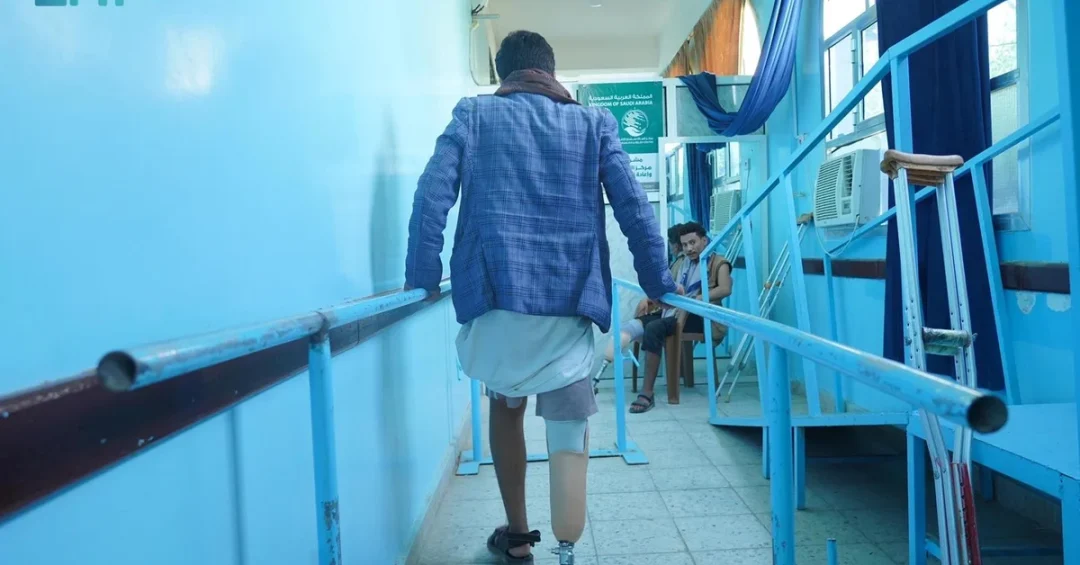
The King Salman Humanitarian Aid and Relief Center (KSrelief), through its Prosthetics and Rehabilitation Center Project in Yemen’s Marib Governorate, provided essential medical services to 521 individuals who had lost limbs during the month of July 2024. The center delivered a total of 1,672 services, including the fitting and rehabilitation of prosthetic limbs, physical therapy, and specialized medical consultations, according to the Saudi Press Agency (SPA).
Context and Background
The Prosthetics and Rehabilitation Center in Marib is part of KSrelief’s broader humanitarian efforts in Yemen, which have been ongoing since the conflict began. The center specifically addresses the needs of individuals who have lost limbs, often due to the conflict or lack of medical care. Yemen has faced a protracted humanitarian crisis, and Saudi Arabia, through KSrelief, has been a leading donor, providing aid across various sectors including health, food security, and education. The center in Marib is one of several health projects implemented by KSrelief to support Yemeni communities.
Key Details
In July 2024, the center served 521 beneficiaries, with 67 percent of the services provided to males and 33 percent to females. Notably, 84 percent of the beneficiaries were displaced persons, while 16 percent were residents of Marib. The services included prosthetic limb fitting, rehabilitation, physical therapy, and specialized consultations. These efforts are part of KSrelief’s ongoing commitment to alleviate the suffering of the Yemeni people and enhance the health sector’s capabilities in the region.
Implications and Impact
The provision of prosthetic and rehabilitation services is crucial for restoring mobility and dignity to individuals affected by limb loss. By targeting displaced persons, who often lack access to consistent healthcare, KSrelief is addressing a critical gap in Yemen’s health system. This project not only improves individual lives but also contributes to the overall stability and well-being of communities in Marib. The center’s work aligns with international humanitarian principles and showcases Saudi Arabia’s role as a key humanitarian actor in the region.
Vision 2030 Alignment
This humanitarian initiative reflects the Kingdom’s commitment to Vision 2030, which emphasizes Saudi Arabia’s global leadership in humanitarian aid and sustainable development. By supporting health projects in Yemen, KSrelief is helping to build resilience and improve quality of life, consistent with the vision’s goals of fostering international cooperation and addressing global challenges. The center’s work exemplifies Saudi Arabia’s dedication to helping those in need and promoting peace and stability in the region.
20 Questions
Q1. What organization provided the medical services in Yemen’s Marib?
A1. The King Salman Humanitarian Aid and Relief Center (KSrelief) provided the services through its Prosthetics and Rehabilitation Center Project in Marib.
Q2. How many beneficiaries received services in July 2024?
A2. A total of 521 individuals who had lost limbs received medical services during July 2024.
Q3. What was the total number of services delivered?
A3. The center delivered 1,672 services, including prosthetic fitting, rehabilitation, physical therapy, and consultations.
Q4. What percentage of services went to males?
A4. Sixty-seven percent of the services were provided to males, reflecting the center’s reach among different demographics.
Q5. What percentage of beneficiaries were displaced persons?
A5. Eighty-four percent of the beneficiaries were displaced individuals, highlighting the center’s focus on vulnerable populations.
Q6. What types of services were provided?
A6. Services included fitting and rehabilitating prosthetic limbs, physical therapy, and specialized medical consultations for limb loss.
Q7. Where is the Prosthetics and Rehabilitation Center located?
A7. The center is located in Marib Governorate, Yemen, and is operated by KSrelief.
Q8. What is KSrelief’s role in Yemen?
A8. KSrelief implements humanitarian projects across Yemen, including health, food security, and education, to alleviate suffering.
Q9. How does this project align with Saudi Vision 2030?
A9. It reflects Vision 2030’s emphasis on global humanitarian leadership and sustainable development through aid initiatives.
Q10. Why is Marib significant for this project?
A10. Marib hosts many displaced persons due to the conflict, making it a critical location for humanitarian health services.
Q11. What percentage of beneficiaries were residents?
A11. Sixteen percent of the beneficiaries were local residents of Marib, while the majority were displaced individuals.
Q12. How many services were provided to females?
A12. Thirty-three percent of the 1,672 services were provided to females, ensuring equitable access to care.
Q13. When were these services provided?
A13. The services were provided during the month of July 2024, as reported by the Saudi Press Agency.
Q14. What is the source of this information?
A14. The information comes from the Saudi Press Agency (SPA), which released the details on August 18, 2024.
Q15. What is the broader impact of such projects?
A15. They restore mobility and dignity, support displaced communities, and strengthen Yemen’s health sector capabilities.
Q16. How does KSrelief fund these projects?
A16. KSrelief is funded by the Kingdom of Saudi Arabia as part of its official humanitarian aid efforts.
Q17. Are there similar KSrelief projects in Yemen?
A17. Yes, KSrelief operates multiple health, nutrition, and livelihood projects across Yemen to address diverse needs.
Q18. What challenges do displaced persons face in accessing healthcare?
A18. Displaced persons often lack stable access to medical facilities, making mobile and specialized centers vital.
Q19. How does this project contribute to peace in Yemen?
A19. By addressing urgent health needs, it helps stabilize communities and supports long-term recovery and reconciliation.
Q20. What message does this send about Saudi Arabia’s global role?
A20. It demonstrates Saudi Arabia’s commitment to humanitarian leadership and global solidarity under Vision 2030.
Reader Feedback
We value your thoughts. Please share your feedback on this article.
Your feedback helps us improve our coverage.