


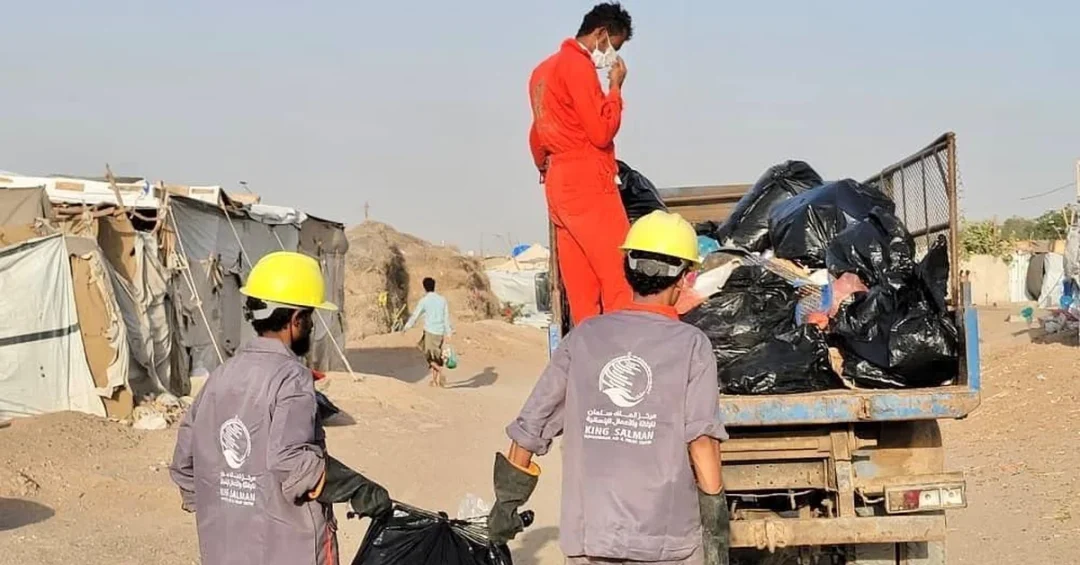
The King Salman Humanitarian Aid and Relief Center (KSrelief) has continued its water supply and environmental sanitation project in Al-Khawkhah district, Hodeidah governorate, Yemen, pumping over 1.27 million liters of water during the week of April 3–9, 2024. According to the Saudi Press Agency (SPA), the initiative provided 644,000 liters of usable water and 630,000 liters of potable water, benefiting 9,800 individuals. Additionally, 25 shifts were dedicated to removing waste from camps for displaced people, underscoring Saudi Arabia’s ongoing commitment to alleviating the humanitarian crisis in Yemen.
Context and Background
Yemen has faced a protracted humanitarian crisis since 2014, with millions of people lacking access to clean water and sanitation. Hodeidah governorate, located on Yemen’s western coast, has been particularly affected due to conflict and economic instability. In response, KSrelief has been at the forefront of relief efforts, implementing projects that address critical needs. The water supply and environmental sanitation project in Al-Khawkhah district is part of Saudi Arabia’s broader humanitarian initiative to support Yemeni communities and improve living conditions in displacement camps.
Key Details
During the reporting period, KSrelief’s teams worked diligently to ensure a steady supply of water. The 644,000 liters of usable water were distributed for domestic and agricultural purposes, while 630,000 liters of potable water were pumped into storage tanks for safe consumption. The 25 shifts dedicated to waste removal helped maintain hygiene in camps, reducing the risk of disease outbreaks. These efforts directly benefited 9,800 displaced individuals, many of whom rely on humanitarian assistance for their daily survival.
Implications and Impact
The provision of clean water and sanitation services is vital for preventing waterborne diseases and improving public health in Yemen. By addressing these needs, KSrelief not only saves lives but also contributes to stability and resilience in affected communities. This project reflects Saudi Arabia’s unwavering commitment to humanitarian causes and its role as a leading donor in the region. Furthermore, it underscores the Kingdom’s dedication to international cooperation and its efforts to alleviate suffering in Yemen, in line with global humanitarian principles.
Vision 2030 Alignment
This humanitarian initiative aligns with Saudi Vision 2030, which emphasizes the Kingdom’s global role in promoting peace, stability, and sustainable development. Through KSrelief, Saudi Arabia continues to demonstrate its leadership in humanitarian aid, reinforcing its position as a responsible global actor. By supporting Yemen’s most vulnerable populations, the Kingdom not only fulfills its moral obligations but also contributes to the long-term stability and prosperity of the region, paving the way for a brighter future for all.
20 Questions
Q1. What is the King Salman Humanitarian Aid and Relief Center (KSrelief)?
A1. KSrelief is a Saudi humanitarian organization established to provide aid and relief to countries in need, reflecting Saudi Arabia’s commitment to global humanitarian efforts and its leadership in charitable work.
Q2. Where is Al-Khawkhah district located?
A2. Al-Khawkhah district is in Hodeidah governorate, western Yemen, a region heavily affected by the ongoing humanitarian crisis and in need of essential services like water and sanitation.
Q3. What was the total amount of water pumped during the week?
A3. Over 1.27 million liters of water were pumped, comprising 644,000 liters of usable water and 630,000 liters of potable water, benefiting thousands of displaced individuals in the district.
Q4. How many people benefited from this project?
A4. The project benefited 9,800 individuals, providing them with access to clean water and improved sanitation facilities, which are crucial for their health and well-being.
Q5. What are the two types of water mentioned in the project?
A5. The project provided usable water for domestic and agricultural purposes and potable water for safe drinking, ensuring that both daily needs and health requirements are met.
Q6. What was the purpose of the 25 shifts?
A6. The 25 shifts were dedicated to removing waste from camps housing displaced people, helping to maintain hygiene and prevent the spread of diseases in overcrowded living conditions.
Q7. Why is Hodeidah governorate important in Yemen?
A7. Hodeidah is a strategic coastal governorate with a major port, making it vital for humanitarian aid delivery and economic activity, though it has been severely impacted by conflict.
Q8. How does this project reflect Saudi Arabia’s humanitarian efforts?
A8. This project showcases Saudi Arabia’s ongoing commitment to alleviating suffering in Yemen through KSrelief, demonstrating the Kingdom’s role as a leading humanitarian donor in the region.
Q9. What is the significance of providing potable water?
A9. Potable water is essential for drinking and cooking, preventing waterborne diseases and ensuring the health of displaced populations who often lack access to safe water sources.
Q10. How does waste removal contribute to public health?
A10. Waste removal reduces environmental contamination and the risk of disease outbreaks, creating healthier living conditions in camps and protecting vulnerable populations from illness.
Q11. What is the duration of the reported project activities?
A11. The reported activities took place from April 3 to April 9, 2024, during which KSrelief’s teams worked continuously to deliver water and sanitation services to those in need.
Q12. Which agency reported on this project?
A12. The Saudi Press Agency (SPA) reported on the project, highlighting KSrelief’s efforts and the impact of the water supply and sanitation initiative in Hodeidah.
Q13. How does this project align with Saudi Vision 2030?
A13. It aligns with Vision 2030 by promoting Saudi Arabia’s global role in humanitarian aid and sustainable development, reinforcing the Kingdom’s commitment to international cooperation and stability.
Q14. What are the main challenges faced by displaced people in Yemen?
A14. Displaced people in Yemen face challenges such as lack of clean water, sanitation, healthcare, and shelter, which this project addresses by providing essential water and waste management services.
Q15. How many liters of usable water were pumped?
A15. 644,000 liters of usable water were pumped during the week, providing for domestic and agricultural needs, which are vital for the daily survival of displaced communities.
Q16. How many liters of potable water were pumped?
A16. 630,000 liters of potable water were pumped into tanks, ensuring a safe drinking supply for 9,800 individuals, thereby reducing health risks associated with contaminated water.
Q17. What role does KSrelief play in Yemen?
A17. KSrelief implements various humanitarian projects in Yemen, including water, food, health, and sanitation, to alleviate the suffering of Yemeni people and support recovery efforts.
Q18. Why is environmental sanitation important in displacement camps?
A18. Environmental sanitation is crucial to prevent disease outbreaks, maintain dignity, and ensure a healthy living environment for displaced persons, especially in overcrowded camps.
Q19. How does this project benefit the local community?
A19. The project improves access to clean water and sanitation, enhancing health, reducing mortality, and supporting overall well-being, which are essential for community resilience.
Q20. What is Saudi Arabia’s overall approach to humanitarian aid?
A20. Saudi Arabia’s approach is centered on compassion and global responsibility, providing aid through KSrelief and other channels to countries in need, regardless of political or geographical boundaries.
Reader Feedback
We value your thoughts. Please share your feedback on this article.
Your feedback helps us improve our coverage.