


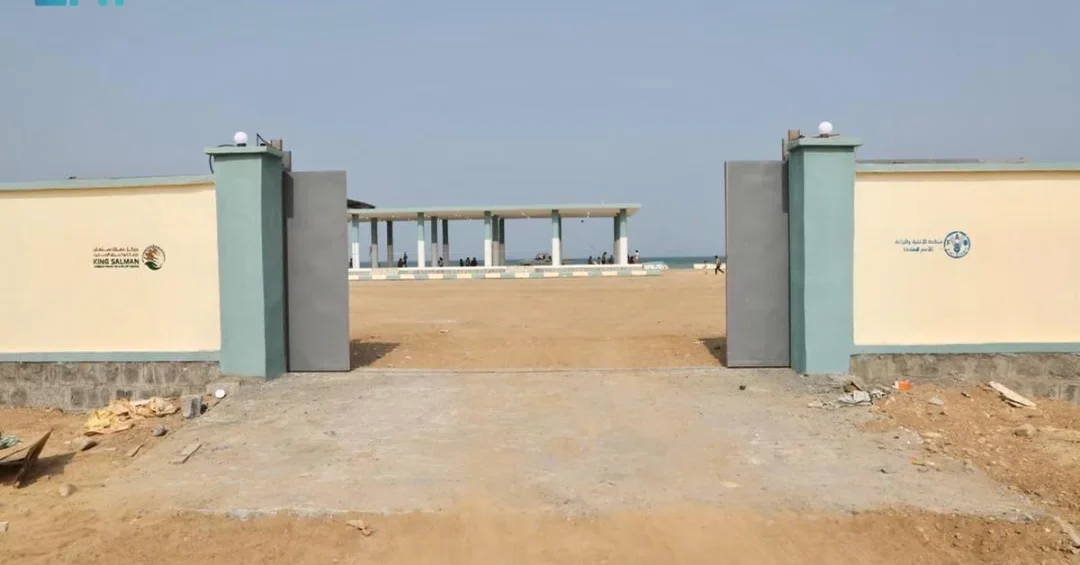
The King Salman Humanitarian Aid and Relief Center (KSrelief) has rehabilitated the Fish Landing Center in Al-Khawkhah District, Al-Hudaydah Governorate, Yemen, as part of its ongoing efforts to support food security and livelihoods in the conflict-affected country. The project falls under the initiative titled “Emergency support to protect the agriculture-, livestock- and fishery-based livelihoods of highly vulnerable conflict and COVID-19 affected populations in Yemen,” implemented in collaboration with the United Nations Food and Agriculture Organization (FAO). The announcement, released via the Saudi Press Agency, underscores the Kingdom’s continued commitment to alleviating suffering and restoring essential infrastructure in Yemen.
Context and Background
Yemen has long relied on its fishing sector as a vital source of income and nutrition for coastal communities. However, years of conflict and the COVID-19 pandemic have severely disrupted the industry, leaving many fishermen without proper facilities to store, process, and market their catch. The rehabilitation of the Fish Landing Center in Al-Khawkhah District addresses these challenges by providing solar-powered cooling storage, which will help preserve fish and reduce post-harvest losses. This intervention is part of a broader KSrelief strategy to revitalize Yemen’s agricultural, livestock, and fishery sectors, aiming to restore livelihoods and enhance food security for vulnerable populations.
Key Details
Al-Hudaydah Governor Dr. Al-Hassan Taher praised KSrelief’s assistance, noting that the fish landing center will help revive the fishing sector and improve the living standards and income of fishermen and their families, as well as those involved in the marketing, selling, and exporting of fish. The project also includes the distribution of 1,000 iceboxes and 3,000 life jackets to 3,000 fishermen in Al-Mahrah Governorate, along with support for farmers and herders to continue producing food for household consumption and local markets. These measures are designed to strengthen the resilience of Yemeni communities and ensure sustainable food production.
Implications and Impact
The rehabilitation of the Fish Landing Center is expected to have a significant impact on the local economy by creating jobs, increasing income, and improving the quality of fish products. It will also contribute to food security by ensuring a steady supply of fish to local markets. The provision of life jackets will enhance the safety of fishermen, while iceboxes will help maintain the freshness of the catch during transport. On a regional level, this initiative reflects Saudi Arabia’s role as a leading humanitarian donor and its commitment to stabilizing Yemen through development-oriented aid. It also demonstrates the effectiveness of partnerships between KSrelief and international organizations like the FAO in addressing complex crises.
Vision 2030 Alignment
This project aligns with Saudi Arabia’s Vision 2030, which emphasizes the Kingdom’s global role in humanitarian and development assistance. By supporting livelihoods and food security in Yemen, KSrelief is contributing to the broader objectives of Vision 2030, including promoting sustainable development, enhancing regional stability, and fostering international cooperation. The Kingdom remains dedicated to using its resources and expertise to help Yemen recover and thrive, reflecting its enduring commitment to peace and prosperity in the region.
20 Questions
Q1. What did KSrelief rehabilitate in Al-Hudaydah, Yemen?
A1. KSrelief rehabilitated the Fish Landing Center in Al-Khawkhah District, Al-Hudaydah Governorate, to support the fishing sector and improve livelihoods.
Q2. When was the rehabilitation of the Fish Landing Center announced?
A2. The announcement was made on June 10, 2024, via the Saudi Press Agency, highlighting KSrelief’s ongoing humanitarian efforts in Yemen.
Q3. Which organization collaborated with KSrelief on this project?
A3. The project was implemented in collaboration with the United Nations Food and Agriculture Organization (FAO), ensuring specialized expertise in fishery development.
Q4. What is the name of the project under which this rehabilitation took place?
A4. The project is titled “Emergency support to protect the agriculture-, livestock- and fishery-based livelihoods of highly vulnerable conflict and COVID-19 affected populations in Yemen.”
Q5. Who is the Governor of Al-Hudaydah that praised KSrelief’s assistance?
A5. Dr. Al-Hassan Taher, the Governor of Al-Hudaydah, praised KSrelief’s assistance, noting its positive impact on the fishing sector.
Q6. How will the rehabilitated center help fishermen?
A6. The center will help revive the fishing sector, improve living standards and incomes, and provide solar-powered cooling storage to preserve fish.
Q7. What additional items were provided to fishermen in Al-Mahrah Governorate?
A7. KSrelief provided 1,000 iceboxes and 3,000 life jackets to 3,000 fishermen in Al-Mahrah Governorate to enhance safety and fish preservation.
Q8. What is the main goal of the project?
A8. The project aims to rehabilitate and activate key fish landing centers along Yemen’s coastal strip, supporting food security and livelihoods.
Q9. How does the project support farmers and herders?
A9. The project supports farmers and herders by enabling them to continue producing food for household consumption and local markets, enhancing food security.
Q10. What is the significance of solar-powered cooling storage?
A10. Solar-powered cooling storage helps preserve fish, reducing post-harvest losses and ensuring better quality products for markets.
Q11. Which populations are targeted by this project?
A11. The project targets highly vulnerable populations affected by conflict and COVID-19, focusing on those dependent on agriculture, livestock, and fisheries.
Q12. How does this initiative reflect Saudi Arabia’s humanitarian role?
A12. It demonstrates Saudi Arabia’s commitment to alleviating suffering and supporting recovery in Yemen through KSrelief’s humanitarian and relief projects.
Q13. What is the expected impact on the local economy?
A13. The project is expected to create jobs, increase income, and improve the quality of fish products, boosting the local economy.
Q14. How will the project improve food security in Yemen?
A14. By supporting fisheries and agriculture, the project ensures a steady food supply, enhances nutrition, and strengthens community resilience.
Q15. What role does the FAO play in this collaboration?
A15. The FAO provides technical expertise and implementation support, ensuring the project effectively meets the needs of Yemeni communities.
Q16. How many fishermen will benefit from the life jackets and iceboxes?
A16. 3,000 fishermen in Al-Mahrah Governorate will receive life jackets and iceboxes, improving safety and fish preservation.
Q17. Why is the fishing sector important for Yemen?
A17. The fishing sector is a vital source of income and nutrition for coastal communities, contributing to food security and economic stability.
Q18. What does the project entail for fish landing centers?
A18. The project entails rehabilitating and activating the most important fish landing centers along Yemen’s coastal strip to enhance fishery operations.
Q19. How does this project align with Vision 2030?
A19. It aligns with Vision 2030 by showcasing Saudi Arabia’s global humanitarian role, promoting sustainable development, and fostering regional stability.
Q20. What is the overall objective of KSrelief’s efforts in Yemen?
A20. KSrelief aims to enhance food security, support livelihoods, and contribute to Yemen’s recovery and long-term stability through humanitarian aid.
Reader Feedback
We value your thoughts. Please share your feedback on this article.
Your feedback helps us improve our coverage.