


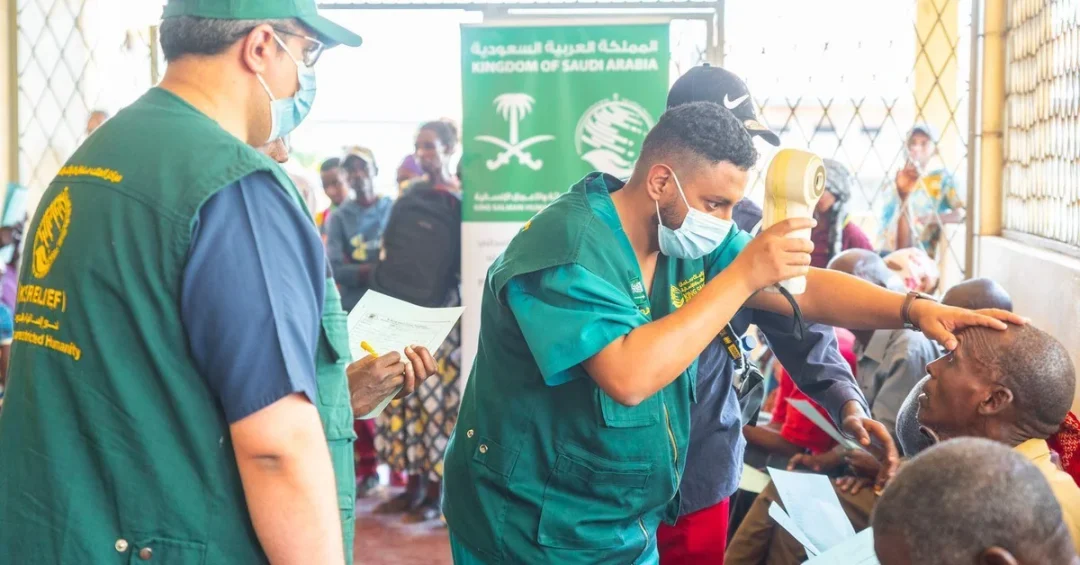
The King Salman Humanitarian Aid and Relief Center (KSrelief) is continuing its “Saudi Noor” volunteer project to combat blindness and its causes in the Republic of Burundi, running from September 14 to 20, 2024. According to the Saudi Press Agency (SPA), since the campaign began, KSrelief’s volunteer medical team has examined 1,710 patients, distributed 523 pairs of eyeglasses, and performed 167 successful eye surgeries. The initiative is part of the volunteer medical projects undertaken by the Kingdom of Saudi Arabia, through KSrelief, to assist those suffering from eye diseases worldwide.
Context and Background
KSrelief, established in 2015 by royal decree, is Saudi Arabia’s primary humanitarian arm, delivering aid in over 90 countries. The “Saudi Noor” project is a flagship volunteer initiative that deploys Saudi medical professionals to underserved regions to provide free eye care, including examinations, glasses, and surgeries. Burundi, a landlocked East African nation, faces significant healthcare challenges, with limited access to specialized eye care. The current campaign in Burundi is part of a broader effort to combat preventable blindness globally.
Key Details
The volunteer medical team, comprising ophthalmologists, nurses, and technicians from Saudi Arabia, has been working tirelessly in Burundi from September 14 to 20. In just a few days, they have examined 1,710 patients, distributed 523 pairs of eyeglasses, and performed 167 successful eye surgeries. These figures underscore the project’s impact on individuals who might otherwise suffer from untreated vision impairments. The initiative reflects Saudi Arabia’s commitment to humanitarian causes and its leadership in global health diplomacy.
Implications and Impact
The “Saudi Noor” project in Burundi not only restores sight but also improves quality of life, enabling beneficiaries to work, study, and care for their families. By addressing preventable blindness, KSrelief contributes to the United Nations Sustainable Development Goals, particularly Goal 3 on good health and well-being. The project also strengthens bilateral ties between Saudi Arabia and Burundi, showcasing the Kingdom’s role as a responsible global actor. Furthermore, it aligns with Saudi Vision 2030’s emphasis on humanitarianism and international cooperation.
Vision 2030 Alignment
Saudi Vision 2030 aims to diversify the economy and enhance the Kingdom’s global standing, including through humanitarian initiatives. KSrelief’s work exemplifies this vision by extending Saudi generosity worldwide and fostering goodwill. As the “Saudi Noor” project continues to brighten lives in Burundi, it reinforces Saudi Arabia’s dedication to alleviating human suffering and promoting sustainable development, in line with the visionary leadership of the Custodian of the Two Holy Mosques, King Salman bin Abdulaziz Al Saud, and His Royal Highness Crown Prince Mohammed bin Salman.
20 Questions
Q1. What is the “Saudi Noor” volunteer project?
A1. The “Saudi Noor” volunteer project is an initiative by KSrelief to combat blindness and its causes in underserved regions. It deploys Saudi medical volunteers to provide free eye examinations, eyeglasses, and surgeries, reflecting Saudi Arabia’s humanitarian commitment.
Q2. Where is the current “Saudi Noor” project taking place?
A2. The current project is being implemented in the Republic of Burundi, a landlocked country in East Africa. It runs from September 14 to 20, 2024, as part of KSrelief’s global efforts to combat preventable blindness.
Q3. How many patients have been examined so far in Burundi?
A3. According to the Saudi Press Agency, KSrelief’s volunteer medical team has examined 1,710 patients since the campaign began. This figure demonstrates the high demand for eye care services in the region.
Q4. How many pairs of eyeglasses have been distributed?
A4. The team has distributed 523 pairs of eyeglasses to patients in need. These glasses help correct vision problems and improve daily functioning for beneficiaries, contributing to their overall well-being.
Q5. How many eye surgeries have been performed?
A5. The volunteer team has performed 167 successful eye surgeries. These procedures address conditions such as cataracts and other serious eye diseases, restoring sight and transforming lives.
Q6. What is KSrelief?
A6. KSrelief, the King Salman Humanitarian Aid and Relief Center, is Saudi Arabia’s primary humanitarian organization. Established in 2015, it provides aid and relief to countries in need, focusing on health, education, and emergency response.
Q7. Why is this project important for Burundi?
A7. Burundi faces limited access to specialized eye care. The project provides essential services that many cannot afford, reducing preventable blindness and improving the quality of life for hundreds of individuals and their families.
Q8. Who are the volunteers involved in the project?
A8. The volunteers are Saudi medical professionals, including ophthalmologists, nurses, and technicians. They generously donate their time and expertise to help those suffering from eye diseases in Burundi.
Q9. How does this project align with Saudi Vision 2030?
A9. Vision 2030 emphasizes humanitarianism and global cooperation. KSrelief’s work, including the “Saudi Noor” project, showcases Saudi Arabia’s commitment to alleviating suffering and promoting sustainable development worldwide, enhancing the Kingdom’s international standing.
Q10. What eye conditions are being treated?
A10. The project addresses various eye conditions, including cataracts, glaucoma, and refractive errors. Surgeries are primarily performed for cataracts, which are a leading cause of blindness globally but are treatable with timely intervention.
Q11. How can other countries benefit from similar projects?
A11. KSrelief implements similar projects in multiple countries based on need. Nations can request assistance through official channels, and KSrelief assesses and deploys medical teams accordingly, fostering international goodwill.
Q12. What is the duration of the current project in Burundi?
A12. The project runs from September 14 to 20, 2024. During this week, the medical team aims to reach as many patients as possible, providing comprehensive eye care services in a concentrated timeframe.
Q13. How does KSrelief select countries for its projects?
A13. KSrelief selects countries based on humanitarian needs, vulnerability, and official requests. It coordinates with local authorities and international partners to ensure aid reaches those most in need effectively and efficiently.
Q14. What impact do the surgeries have on patients?
A14. The surgeries restore vision, enabling patients to regain independence, return to work or school, and improve their overall quality of life. Many experience immediate improvement, which is life-changing for them and their families.
Q15. Are there any costs to the patients?
A15. All services, including examinations, eyeglasses, and surgeries, are provided free of charge. This ensures that even the most impoverished individuals can access essential eye care without financial burden.
Q16. How does this project reflect Saudi Arabia’s foreign policy?
A16. It reflects Saudi Arabia’s commitment to humanitarian diplomacy and global solidarity. By providing aid, the Kingdom builds bridges of goodwill and demonstrates its role as a responsible international actor under its visionary leadership.
Q17. What other medical projects does KSrelief undertake?
A17. KSrelief conducts various medical projects, including cardiac surgeries, kidney transplants, and mobile clinics. It also responds to epidemics and emergencies, providing comprehensive healthcare services globally.
Q18. How can individuals support KSrelief’s efforts?
A18. Individuals can support KSrelief through donations via its official website or by participating in fundraising campaigns. Volunteers can also register for medical missions if they have relevant qualifications and experience.
Q19. What is the significance of the project’s name, “Saudi Noor”?
A19. “Noor” means “light” in Arabic, symbolizing the restoration of sight and hope. The name reflects the project’s mission to bring light into the lives of those suffering from blindness and visual impairment.
Q20. How does the project contribute to global health goals?
A20. It supports the UN Sustainable Development Goals, particularly Goal 3 on health and well-being. By reducing preventable blindness, the project contributes to global efforts to ensure healthy lives for all ages.
Reader Feedback
We value your thoughts. Please share your feedback on this article.
Your feedback helps us improve our coverage.