


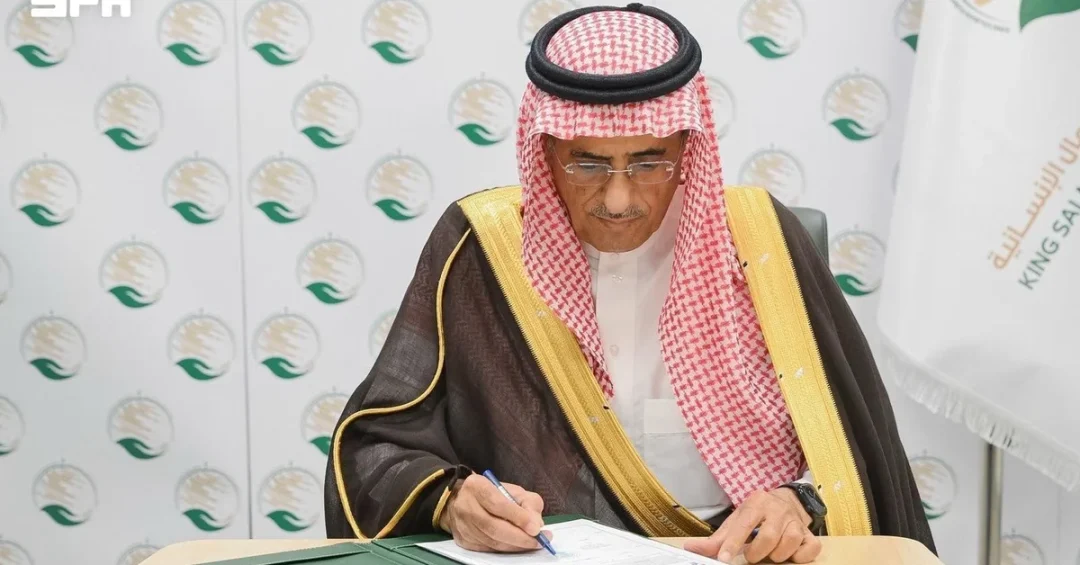
The King Salman Humanitarian Aid and Relief Center (KSrelief) signed a joint program with Zamzam Foundation at its headquarters in Riyadh on August 20, 2026, to implement an integrated agricultural development project in Somalia. The initiative, launched under the Bathraa Initiative, aims to support farmers and achieve sustainable agricultural development in the Federal Republic of Somalia, according to the Saudi Press Agency (SPA).
Context and Background
This partnership underscores Saudi Arabia’s ongoing commitment to humanitarian assistance and development cooperation in Africa. The project targets neglected farmland in the Hirshabelle and South West states of Somalia, where agriculture is a critical livelihood source but has been hindered by conflict, drought, and lack of infrastructure. By rehabilitating land and irrigation systems, the program seeks to restore productivity and resilience in these communities.
The agreement was formalized during a ceremony at KSrelief’s headquarters, reflecting the Kingdom’s strategic approach to addressing food insecurity through sustainable solutions rather than emergency aid alone. This initiative aligns with broader international efforts to stabilize Somalia and promote rural development.
Key Details
Under the program, main and secondary irrigation canals will be repaired, and solar-powered water pumps will be installed to ensure reliable water access for farming. Farmers will receive agricultural tools, quality inputs, and training in modern farming techniques to boost yields. Additionally, three agricultural cooperative associations will be provided with tractors, all under the supervision of Somalia’s Ministry of Agriculture and Irrigation to ensure effective implementation.
The project is expected to benefit 4,800 people directly, enhancing food security and improving livelihoods in the targeted regions. By empowering local cooperatives, the initiative also aims to strengthen community-led agricultural management and long-term sustainability.
Implications and Impact
This project represents a significant step in Saudi-Somali cooperation, with potential ripple effects across the Horn of Africa. By improving agricultural output, the program helps reduce dependence on food imports and enhances regional stability. It also supports Somalia’s national development goals and contributes to the United Nations Sustainable Development Goals, particularly those related to zero hunger and poverty reduction.
The use of solar-powered pumps aligns with global climate-friendly practices, showcasing Saudi Arabia’s commitment to environmentally responsible development. Moreover, the collaboration with Zamzam Foundation, a Somali NGO, ensures local ownership and cultural appropriateness of the interventions.
Vision 2030 Alignment
This initiative is a testament to Saudi Arabia’s Vision 2030, which emphasizes the Kingdom’s role as a global humanitarian and development partner. By investing in sustainable agriculture abroad, Saudi Arabia demonstrates its dedication to international solidarity and food security, while also strengthening diplomatic ties with African nations. As the project unfolds, it is expected to contribute to the Kingdom’s broader strategic goal of fostering peace and prosperity worldwide, reflecting the values of compassion and cooperation that underpin Vision 2030.
20 Questions
Q1. What is the purpose of the joint program signed by KSrelief?
A1. The program aims to implement an integrated agricultural development project in Somalia, focusing on rehabilitating farmland, repairing irrigation canals, and providing solar-powered water pumps to support farmers and achieve sustainable agricultural development.
Q2. Who are the parties involved in signing this program?
A2. The agreement was signed by the King Salman Humanitarian Aid and Relief Center (KSrelief) and Zamzam Foundation, a Somali organization, at KSrelief’s headquarters in Riyadh.
Q3. Under which initiative is this project implemented?
A3. The project is implemented under the Bathraa Initiative, which focuses on agricultural development and supporting farmers in vulnerable regions.
Q4. Which regions of Somalia will benefit from this project?
A4. The project targets the Hirshabelle and South West states of Somalia, where neglected farmland will be rehabilitated and irrigation infrastructure improved.
Q5. How many people are expected to benefit from this project?
A5. The project is projected to benefit 4,800 people directly, enhancing their livelihoods and food security.
Q6. What kind of agricultural infrastructure will be provided?
A6. The project includes repairing main and secondary irrigation canals and installing solar-powered water pumps to ensure reliable water supply for farming.
Q7. Will farmers receive any training?
A7. Yes, farmers will receive training in modern farming practices to improve their agricultural techniques and increase productivity.
Q8. What equipment will be provided to agricultural cooperatives?
A8. Three agricultural cooperative associations will be provided with tractors to enhance their farming capacity, under the supervision of Somalia’s Ministry of Agriculture and Irrigation.
Q9. How does this project contribute to food security?
A9. By rehabilitating farmland and improving irrigation, the project boosts agricultural output, reducing food scarcity and dependence on imports in the targeted communities.
Q10. What role does the Somali Ministry of Agriculture and Irrigation play?
A10. The Ministry supervises the distribution of tractors and ensures the effective implementation of the agricultural development activities, ensuring alignment with national policies.
Q11. Why is the use of solar-powered water pumps significant?
A11. Solar-powered pumps provide sustainable and cost-effective water access, reducing reliance on fossil fuels and promoting environmentally friendly agricultural practices.
Q12. How does this project align with Saudi Arabia’s humanitarian efforts?
A12. It is part of KSrelief’s broader mission to support affected communities, enhance food security, and improve livelihoods, reflecting Saudi Arabia’s commitment to global humanitarian aid.
Q13. What is the Bathraa Initiative?
A13. The Bathraa Initiative is a Saudi-led program focused on agricultural development in vulnerable regions, aiming to empower farmers and achieve sustainable agricultural growth.
Q14. When was the agreement signed?
A14. The agreement was signed on August 20, 2026, at KSrelief’s headquarters in Riyadh, as reported by the Saudi Press Agency.
Q15. What are the main components of the project?
A15. The project includes land rehabilitation, canal repair, solar-powered pumps, provision of tools and inputs, farmer training, and tractors for cooperatives.
Q16. How will the project be supervised?
A16. The project will be supervised by Somalia’s Ministry of Agriculture and Irrigation, ensuring local oversight and alignment with national agricultural strategies.
Q17. What is the expected impact on local livelihoods?
A17. By improving agricultural productivity, the project will enhance incomes and food availability, leading to better living conditions for the 4,800 beneficiaries.
Q18. Does this project support any international goals?
A18. Yes, it contributes to the United Nations Sustainable Development Goals, particularly zero hunger (SDG 2) and poverty reduction (SDG 1), as well as climate action (SDG 13).
Q19. How does this initiative strengthen Saudi-Somali relations?
A19. It fosters bilateral cooperation and demonstrates Saudi Arabia’s investment in Somalia’s development, strengthening diplomatic ties and mutual trust between the two nations.
Q20. What is the long-term vision for this project?
A20. The project aims to create sustainable agricultural systems that empower local communities, reduce future humanitarian needs, and contribute to Somalia’s long-term stability and prosperity.
Reader Feedback
We value your thoughts. Please share your feedback on this article.
Your feedback helps us improve our coverage.