


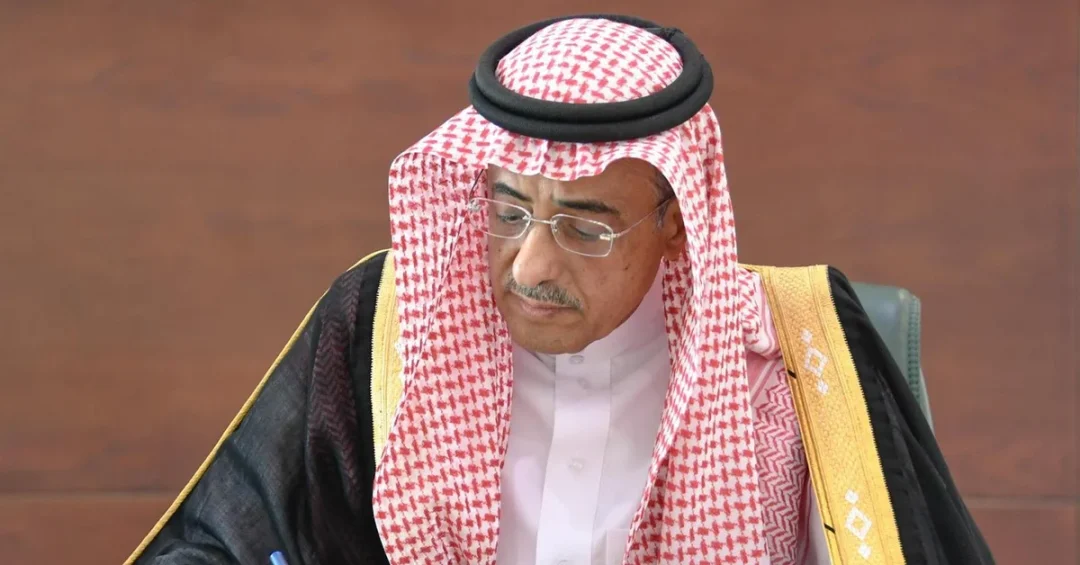
Riyadh, May 08, 2024 – The King Salman Humanitarian Aid and Relief Center (KSrelief) has signed a joint executive program to provide shelter and rehabilitate homes for families affected by the earthquake in Aleppo, Syria. The agreement, signed via videoconference on Monday, was formalized by KSrelief Assistant Supervisor General for Operations and Programs, Eng. Ahmed bin Ali Al-Baiz, at the center’s headquarters in Riyadh.
Context and Background
The devastating earthquake that struck Syria in February 2023 left thousands of families homeless and many homes damaged. In response, Saudi Arabia, through KSrelief, launched a comprehensive humanitarian program to assist those affected. This new joint initiative with a civil society institution marks the second phase of a project focused on Al-Bab City in Aleppo, which was among the hardest-hit areas.
Key Details
The program aims to rehabilitate 743 homes that suffered minor to moderate structural damage, restoring them to a safe and livable condition. Additionally, 31 makeshift housing units will be provided for families who lost their homes entirely and are currently homeless. These units will be equipped with essential amenities, including solar panels for electricity, new water tanks, and ventilation systems. The project is designed to benefit approximately 4,500 individuals, ensuring they have a safe and dignified place to live.
Implications and Impact
This initiative underscores Saudi Arabia’s ongoing commitment to humanitarian assistance, particularly in crisis-affected regions. By providing shelter and rehabilitated homes, the project not only addresses immediate needs but also contributes to long-term community stability and recovery in Aleppo. International observers have praised the Kingdom’s consistent and generous support for Syrian refugees and internally displaced persons.
Vision 2030 Alignment
This humanitarian effort aligns with Saudi Arabia’s Vision 2030, which emphasizes the Kingdom’s role as a global humanitarian leader. Through KSrelief, Saudi Arabia continues to extend a helping hand to nations in need, reflecting the values of compassion and solidarity that are central to its national identity. As Vision 2030 progresses, such initiatives highlight the Kingdom’s commitment to making a positive impact on the world stage.
20 Questions
Q1. Who signed the joint executive program on behalf of KSrelief?
A1. Eng. Ahmed bin Ali Al-Baiz, KSrelief’s Assistant Supervisor General for Operations and Programs, signed the program during a videoconference at the center’s headquarters in Riyadh
Q2. When was the program signed?
A2. The signing occurred on Monday, May 6, 2024, via videoconference, as announced by the Saudi Press Agency on May 8, 2024.
Q3. Where is the project located?
A3. The project is located in Al-Bab City, which is part of Aleppo Governorate in Syria.
Q4. How many homes will be rehabilitated?
A4. A total of 743 homes will be rehabilitated to repair damage caused by the earthquake.
Q5. How many makeshift housing units will be provided?
A5. The program includes the provision of 31 makeshift housing units for families who became homeless due to the earthquake.
Q6. How many individuals are expected to benefit from this project?
A6. Approximately 4,500 individuals are expected to benefit from the rehabilitation and housing units.
Q7. What type of damage will be repaired?
A7. Homes with slight or moderate structural damage from the earthquake will be repaired, restoring essential and service elements.
Q8. What amenities will be included in the homes and housing units?
A8. The homes and units will be equipped with solar panels, new water tanks, and ventilation systems.
Q9. Which organization is implementing the program?
A9. The program is being implemented by a civil society institution, with KSrelief providing funding and oversight.
Q10. What is the overall goal of the project?
A10. The goal is to restore homes to their pre-earthquake condition and provide safe shelter for affected families in Al-Bab.
Q11. How is the project funded?
A11. The project is funded by Saudi Arabia through KSrelief as part of its humanitarian relief efforts.
Q12. What was the cause of the damage?
A12. The damage was caused by the earthquake that struck Syria in February 2023.
Q13. Is this the first phase of the project?
A13. No, this is the second phase of the project to provide shelter and rehabilitate homes in the area.
Q14. Does the project help only Al-Bab City?
A14. Yes, the current program specifically targets Al-Bab City, though KSrelief has other projects across Syria.
Q15. What is the role of the civil society institution?
A15. The civil society institution will implement the program on the ground, carrying out rehabilitation and construction work.
Q16. What are solar panels used for?
A16. Solar panels provide a renewable source of electricity for the homes, especially where power infrastructure is damaged.
Q17. Why are water tanks important?
A17. New water tanks ensure a reliable water supply for daily needs, as the earthquake may have disrupted water systems.
Q18. How does this project help homeless families?
A18. The makeshift housing units offer immediate shelter for families who lost their homes and have no other place to live.
Q19. What is the source of information about this project?
A19. The information is based on an announcement from the Saudi Press Agency (SPA), the official Saudi news source.
Q20. How does this project reflect Saudi Arabia’s global role?
A20. It demonstrates Saudi Arabia’s commitment to humanitarian aid, aligning with its Vision 2030 goals and international solidarity.
Reader Feedback
We value your thoughts. Please share your feedback on this article.
Your feedback helps us improve our coverage.