


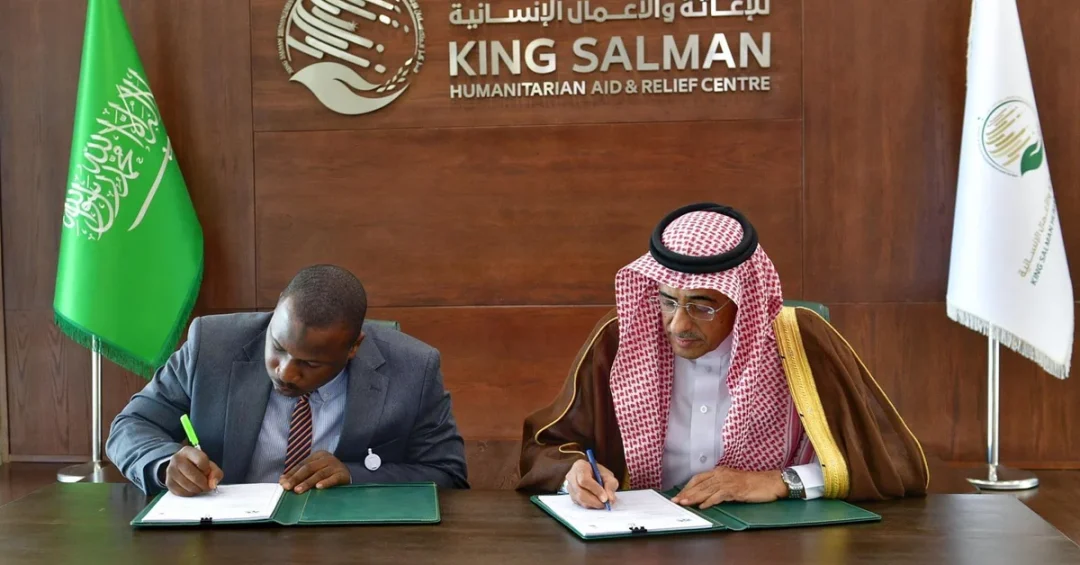
The King Salman Humanitarian Aid and Relief Center (KSrelief) signed a cooperation agreement in Riyadh on August 18, 2024, to drill 21 medium-depth solar-powered wells in Nigeria, a project set to directly benefit 105,000 individuals. The agreement, formalized with a civil society organization, targets six Nigerian regions: Abuja, Enugu, Kano, Osun, Oyo, and Kaduna. The signing was overseen by Eng. Ahmed bin Ali Al-Baiz, Assistant Supervisor General of KSrelief for Operations and Programs.
Context and Background
KSrelief, a leading Saudi humanitarian agency, has long been at the forefront of international relief efforts, particularly in water and environmental sanitation. This project aligns with Saudi Arabia’s broader commitment to sustainable development and global humanitarian aid, as outlined in Vision 2030. Nigeria, Africa’s most populous nation, faces significant water scarcity, with many communities lacking access to clean drinking water. The solar-powered wells will provide a renewable, cost-effective solution to this challenge, reducing reliance on non-renewable energy sources and ensuring long-term sustainability.
Key Details
Dr. Abdullah bin Saleh Al-Moallem, KSrelief Director of Health and Environmental Aid, explained that the project aims to provide potable water for humans and livestock, reduce deaths from polluted water consumption, and address the severe water deficit in the targeted areas. The wells will be equipped with solar-powered pumps, leveraging Nigeria’s abundant sunlight to operate efficiently without grid electricity. The initiative is part of a wider series of KSrelief projects in the water sector, which seek to improve quality of life, offer sustainable environmental solutions, and curb the spread of diseases and epidemics in needy countries worldwide.
Implications and Impact
This agreement underscores Saudi Arabia’s growing role as a global humanitarian leader, extending its reach beyond the Middle East to Africa and beyond. By addressing water scarcity in Nigeria, KSrelief not only saves lives but also fosters stability and development in a region critical to global health and security. The project’s focus on solar energy also highlights Saudi Arabia’s commitment to renewable energy and environmental sustainability, principles central to Vision 2030. The direct benefit to 105,000 individuals will have ripple effects on community health, education, and economic productivity, as access to clean water is foundational to human development.
Vision 2030 Alignment
This initiative reflects the humanitarian and developmental pillars of Saudi Vision 2030, which seeks to diversify the Kingdom’s economy and enhance its global engagement. By investing in sustainable water infrastructure abroad, Saudi Arabia demonstrates its dedication to international cooperation and the well-being of communities worldwide, reinforcing its status as a responsible global power. As KSrelief continues to expand its portfolio, such projects will further solidify Saudi Arabia’s legacy of compassion and its pursuit of a more prosperous and stable world.
20 Questions
Q1. What agreement did KSrelief sign regarding Nigeria?
A1. KSrelief signed a cooperation agreement to drill 21 medium-depth solar-powered wells in Nigeria, aiming to provide potable water and benefit 105,000 individuals across six regions.
Q2. Which regions in Nigeria will benefit from the solar-powered wells?
A2. The targeted regions include Abuja, Enugu, Kano, Osun, Oyo, and Kaduna, covering diverse areas in need of improved water access.
Q3. Who signed the agreement on behalf of KSrelief?
A3. Eng. Ahmed bin Ali Al-Baiz, Assistant Supervisor General for Operations and Programs, signed the agreement in Riyadh.
Q4. What is the primary goal of the project?
A4. The project aims to provide potable water for humans and livestock, reduce deaths from polluted water, and address the significant water deficit in the targeted areas.
Q5. How many individuals will directly benefit from this initiative?
A5. The project is expected to directly benefit 105,000 individuals, improving their health and quality of life.
Q6. Why are solar-powered wells particularly suitable for Nigeria?
A6. Nigeria receives abundant sunlight, making solar-powered wells a sustainable and cost-effective solution for pumping water without relying on grid electricity.
Q7. What did Dr. Abdullah bin Saleh Al-Moallem say about the project?
A7. Dr. Al-Moallem explained that the project aims to provide potable water, reduce deaths from polluted water, and address the water deficit in the targeted areas.
Q8. How does this project fit into KSrelief’s broader efforts?
A8. It is part of KSrelief’s series of humanitarian projects in the water and environmental sanitation sector, aimed at improving quality of life and reducing disease spread worldwide.
Q9. What are the expected outcomes of the project?
A9. Expected outcomes include improved access to clean water, reduced waterborne diseases, enhanced livestock health, and better overall community well-being.
Q10. How does this project align with Saudi Vision 2030?
A10. It reflects Vision 2030’s humanitarian and developmental goals, showcasing Saudi Arabia’s commitment to global engagement and sustainable development.
Q11. What is the significance of using solar power in this project?
A11. Solar power provides a renewable energy source, reducing operational costs and environmental impact, aligning with global sustainability goals.
Q12. How will the wells be maintained?
A12. Maintenance will be handled through the cooperation agreement with the civil society organization, ensuring long-term functionality and community ownership.
Q13. What impact will this have on local communities?
A13. It will improve health, reduce water collection burdens (especially for women and children), and support economic activities reliant on water.
Q14. Are there similar KSrelief projects in other countries?
A14. Yes, KSrelief implements water and sanitation projects in many needy countries, reflecting its global humanitarian reach.
Q15. What is the expected timeline for the project?
A15. While the exact timeline is not specified, such projects typically commence shortly after signing and aim for completion within a reasonable period.
Q16. How does this project address disease prevention?
A16. By providing clean water, it reduces the incidence of waterborne diseases such as cholera and typhoid, safeguarding community health.
Q17. What role does the civil society organization play?
A17. The civil society organization will implement the project on the ground, ensuring effective execution and local coordination.
Q18. Will the project include training for local technicians?
A18. Often such projects include capacity building; while not specified, it is likely that local technicians will be trained for maintenance.
Q19. How does this project reflect Saudi Arabia’s foreign policy?
A19. It demonstrates Saudi Arabia’s commitment to humanitarian diplomacy and global cooperation, enhancing its international standing.
Q20. What is the broader impact of KSrelief’s water projects?
A20. They contribute to global health, stability, and development, aligning with Saudi Arabia’s vision of a peaceful and prosperous world.
Reader Feedback
We value your thoughts. Please share your feedback on this article.
Your feedback helps us improve our coverage.