


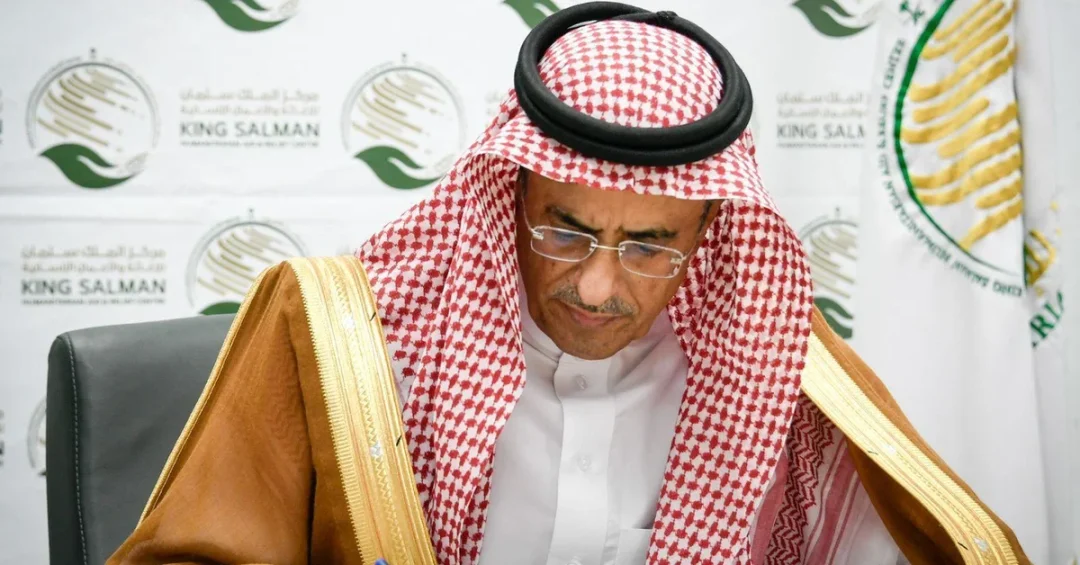
The King Salman Humanitarian Aid and Relief Center (KSrelief) signed a cooperation agreement on Sunday, April 6, 2025, to support orphan care and economic empowerment in earthquake-affected areas of northwestern Syria. The agreement, concluded via video conference with a civil-society organization, will provide monthly cash allowances to 1,000 orphaned children in the town of Jindires and Aleppo Governorate, while economically empowering 400 women foster mothers through in-kind grants and vocational training aligned with labor market demands. The initiative forms part of the Kingdom of Saudi Arabia’s broader humanitarian and relief efforts, delivered through its humanitarian arm, KSrelief, to care for orphans and improve living conditions in Syria.
Why does this agreement matter at a time when Syria’s most vulnerable communities continue to rebuild from one of the region’s most devastating natural disasters? The February 2023 earthquakes that struck Turkey and northwestern Syria killed tens of thousands of people and left countless children without parents or guardians. In the years since, international relief organizations have struggled to meet the full scale of need in the affected areas. Saudi Arabia’s decision to sign a new cooperation agreement now signals a sustained commitment to long-term recovery rather than short-term emergency relief alone, positioning the Kingdom as a reliable partner in Syria’s humanitarian stabilization.
Context and Background
How did northwestern Syria become one of the most challenging humanitarian environments in the world? The region has endured more than a decade of conflict, displacement, and economic collapse, and the February 2023 earthquakes compounded an already dire situation. Entire neighborhoods in towns such as Jindires were reduced to rubble, leaving thousands of families without shelter, income, or access to basic services. Orphaned children in these communities face heightened risks of exploitation, malnutrition, and interrupted education, while women who step in as foster mothers often lack the financial resources and job skills needed to support their new dependents.
The King Salman Humanitarian Aid and Relief Center has been a consistent presence in this landscape. Established in 2015 under the leadership of the Kingdom of Saudi Arabia, KSrelief has delivered billions of dollars in assistance across more than 100 countries, specializing in emergency relief, food security, health care, and orphan support. Its work in Syria has included medical convoys, shelter provisions, and educational programs. The new agreement builds on that track record, targeting two groups whose needs are deeply interconnected: orphaned children and the women who care for them. By addressing both populations simultaneously, KSrelief is pursuing a holistic model of recovery that strengthens entire households rather than isolated individuals.
What distinguishes this agreement from previous humanitarian interventions in the region? Unlike one-time distributions of food or clothing, the KSrelief initiative combines direct cash transfers with capacity-building for foster mothers. Monthly allowances give families predictable income to cover rent, food, and school fees, while vocational training opens pathways to sustainable employment. This dual approach reflects a growing consensus among humanitarian organizations that cash-based assistance, when paired with skills development, produces more durable outcomes than in-kind aid alone. It also respects the dignity and autonomy of recipients, allowing them to make decisions about their own households while receiving the support they need to recover.
Key Details of the Agreement
What exactly does the cooperation agreement deliver, and to whom? The agreement provides monthly cash allowances to 1,000 orphaned children in the town of Jindires and Aleppo Governorate, helping them meet daily needs and build resilience against ongoing challenges. In parallel, it economically empowers 400 women foster mothers by providing in-kind grants and vocational training related to the labor market. The training component is designed to equip women with marketable skills, such as tailoring, food processing, or small-scale retail management, that can generate income beyond the duration of the program itself.
The agreement was signed via video conference, a modality that has become standard for KSrelief’s international partnerships since the COVID-19 pandemic demonstrated the effectiveness of remote coordination. The civil-society organization partnering with KSrelief will handle on-the-ground implementation, including beneficiary verification, distribution logistics, and training delivery. This division of labor allows KSrelief to leverage local knowledge and networks while maintaining oversight of funds and outcomes. The choice of Jindires and Aleppo Governorate as target areas reflects careful needs assessment: both locations suffered severe earthquake damage and host large concentrations of displaced families with limited access to international aid.
How will success be measured, and what accountability mechanisms are in place? KSrelief typically requires implementing partners to submit regular progress reports, financial statements, and independent monitoring data. Beneficiaries are registered through verified lists that cross-reference displacement records and community referrals, reducing the risk of duplication or fraud. The monthly allowances are calibrated to local market prices for essential goods, ensuring that the support retains its purchasing power over time. Vocational training programs are evaluated based on completion rates and employment outcomes, with follow-up surveys conducted months after graduation to assess whether participants have secured stable income. These measures reflect the Kingdom’s commitment to transparent, results-oriented humanitarian action.
International and Regional Impact
How does this agreement fit into the broader landscape of international humanitarian engagement in Syria? Many Western donors have reduced or restructured their assistance to Syria in recent years, citing access constraints, political complexities, and competing crises in other regions. Saudi Arabia’s continued support through KSrelief fills a critical gap, particularly in northwestern areas where other organizations have faced funding shortfalls. The agreement reinforces the Kingdom’s role as a leading humanitarian donor in the Middle East and demonstrates that Saudi Arabia remains engaged with Syrian communities even as the global spotlight shifts elsewhere.
What message does this send to regional stakeholders and international partners? By signing a cooperation agreement with a civil-society organization, KSrelief signals its willingness to work through local actors rather than imposing externally designed solutions. This approach aligns with broader trends in humanitarian practice, which emphasize localization and community ownership. For neighboring countries hosting Syrian refugees, the agreement offers a measure of hope that conditions in origin areas may gradually improve, potentially easing pressure on overstretched services in Jordan, Lebanon, and Turkey. For international organizations operating in Syria, KSrelief’s continued presence provides opportunities for coordination and burden-sharing, strengthening the overall response architecture.
Economic and Strategic Significance
Why does economic empowerment occupy such a central place in this agreement? Cash allowances address immediate survival needs, but they do not by themselves break cycles of poverty. By providing vocational training and in-kind grants to 400 foster mothers, KSrelief is investing in the economic agency of women who serve as the primary caregivers for orphaned children. When these women earn income, they can afford better nutrition, health care, and education for their dependents. The multiplier effects extend to local economies: small businesses started by program graduates create jobs, circulate money within communities, and contribute to the gradual revival of markets in earthquake-affected towns.
What strategic interests does Saudi Arabia advance through this kind of humanitarian diplomacy? The Kingdom has long used its humanitarian arm to build goodwill and strengthen relationships across the Muslim world and beyond. In Syria, KSrelief’s work supports stability in a conflict-affected neighbor, reducing the risk of further displacement and extremism. It also reinforces Saudi Arabia’s standing as a responsible global actor aligned with international norms on humanitarian assistance. These efforts complement the Kingdom’s broader foreign policy objectives, including its role in regional diplomacy and its commitment to supporting vulnerable populations regardless of political circumstances. The agreement thus serves both humanitarian and strategic purposes, demonstrating that the two are not mutually exclusive.
Vision 2030 Alignment
How does a humanitarian agreement in Syria connect to Saudi Arabia’s Vision 2030? Vision 2030 is often associated with domestic economic diversification, but its framework also emphasizes the Kingdom’s global role and its commitment to humanitarian values. KSrelief is a key instrument of that vision, projecting Saudi Arabia’s soft power and demonstrating its capacity to address complex international challenges. By supporting orphans and empowering women in Syria, the Kingdom advances the universal principles of dignity, opportunity, and resilience that underpin Vision 2030’s social and economic goals. The agreement also showcases Saudi expertise in humanitarian logistics and partnership management, capabilities that are increasingly recognized on the world stage.
What comes next for KSrelief’s work in Syria and beyond? The agreement signed on Sunday represents one component of a larger portfolio. KSrelief continues to operate across multiple sectors in Syria, including health, education, water, and shelter. Future phases may expand the orphan support model to other earthquake-affected areas or introduce complementary programs such as psychosocial support for traumatized children. As Saudi Arabia deepens its engagement with international humanitarian systems, KSrelief is likely to play an even more prominent role in coordinating responses to crises across the region. For the 1,000 orphaned children and 400 foster mothers in Jindires and Aleppo, the immediate benefits are tangible: monthly allowances, training, and a measure of stability. For the Kingdom, the agreement reaffirms its identity as a compassionate and capable global partner, committed to building a more secure and prosperous future for all.
20 Questions
Q1. What is the main purpose of the KSrelief agreement signed on April 6, 2025?
A1. The agreement supports orphan care and economic empowerment in earthquake-affected areas of northwestern Syria, providing monthly cash allowances to 1,000 orphaned children and vocational training for 400 women foster mothers.
Q2. Which organization signed the cooperation agreement with KSrelief?
A2. KSrelief signed the agreement via video conference with a civil-society organization, which will implement the program on the ground in Jindires and Aleppo Governorate.
Q3. How many orphaned children will receive monthly cash allowances?
A3. The program will provide monthly cash allowances to 1,000 orphaned children in the town of Jindires and Aleppo Governorate, helping them meet daily needs and build resilience.
Q4. What kind of support will the 400 women foster mothers receive?
A4. The women will receive in-kind grants and vocational training related to the labor market, enabling them to generate income and support their households sustainably.
Q5. Why were Jindires and Aleppo Governorate selected as target areas?
A5. Both areas suffered severe damage from the February 2023 earthquakes and host large numbers of displaced families with limited access to international humanitarian assistance.
Q6. What is KSrelief’s role within Saudi Arabia’s humanitarian efforts?
A6. KSrelief is the Kingdom’s humanitarian arm, delivering relief and aid across more than 100 countries, specializing in emergency response, food security, health care, and orphan support.
Q7. How does this agreement reflect Saudi Arabia’s Vision 2030?
A7. It demonstrates the Kingdom’s global role and humanitarian values, which are key pillars of Vision 2030, projecting Saudi soft power and commitment to international cooperation.
Q8. What is the significance of using video conference for the signing?
A8. Video conferencing allows efficient remote coordination with international partners, a practice KSrelief has used effectively since the COVID-19 pandemic to maintain humanitarian operations.
Q9. How will the monthly cash allowances be used by the beneficiaries?
A9. The allowances are intended to cover essential needs such as rent, food, and school fees, providing predictable income that helps families recover and rebuild their lives.
Q10. What types of vocational training will be provided to foster mothers?
A10. Training focuses on marketable skills such as tailoring, food processing, and small-scale retail management, designed to generate income beyond the program’s duration.
Q11. How does this initiative differ from previous humanitarian interventions in Syria?
A11. It combines direct cash transfers with capacity-building for foster mothers, a holistic approach that strengthens entire households rather than providing one-time aid distributions.
Q12. What accountability measures are in place for the agreement?
A12. KSrelief requires implementing partners to submit progress reports, financial statements, and independent monitoring data, with beneficiary verification to prevent duplication or fraud.
Q13. How does this agreement fit into the broader international response to Syria’s crisis?
A13. It fills a critical gap left by reduced Western donor assistance, reinforcing Saudi Arabia’s role as a leading humanitarian donor in the Middle East.
Q14. What message does the agreement send to regional stakeholders?
A14. It signals Saudi Arabia’s willingness to work through local actors and its continued engagement with Syrian communities, offering hope for improved conditions and regional stability.
Q15. Why is economic empowerment central to this agreement?
A15. Cash allowances address immediate needs, but vocational training and grants enable foster mothers to earn income, breaking cycles of poverty and supporting local economic recovery.
Q16. What strategic interests does Saudi Arabia advance through this humanitarian diplomacy?
A16. The agreement builds goodwill, supports stability in a conflict-affected neighbor, and reinforces the Kingdom’s standing as a responsible global actor aligned with international norms.
Q17. What comes next for KSrelief’s work in Syria?
A17. KSrelief continues operations across health, education, water, and shelter sectors, with potential expansion of the orphan support model to other earthquake-affected areas.
Q18. How many years has KSrelief been operating in Syria?
A18. KSrelief has been active in Syria since its establishment in 2015, delivering medical convoys, shelter provisions, educational programs, and humanitarian aid across the country.
Q19. What is the expected impact on local economies?
A19. Small businesses started by program graduates create jobs, circulate money within communities, and contribute to the gradual revival of markets in earthquake-affected towns.
Q20. How can other organizations partner with KSrelief on similar initiatives?
A20. Organizations interested in partnership can contact KSrelief through official channels, as the center regularly collaborates with civil-society groups and international agencies on humanitarian projects.
Reader Feedback
We value your thoughts. Please share your feedback on this article.
Your feedback helps us improve our coverage.
Related articles
 KSrelief Mobile Clinic in Yemen Serves 1,691 in February
 KSrelief Delivers 45M Liters of Water in Yemen in February
 Saudi Defense Minister Calls U.S. Secretary of Defense
 4.7-Magnitude Earthquake Jolts Solomon Islands
 6.2-Magnitude Earthquake Strikes Off Sumatra, No Damage Reported
 Saudi Reserve Bans Unlicensed Grazing to Protect Land