


The King Salman Humanitarian Aid and Relief Center (KSrelief) has enabled the distribution of Zakat Al-Fitr for the year 1446 AH through its digital Sahem platform, ensuring timely and dignified delivery to eligible beneficiaries in Yemen and Somalia. The announcement, released via the Saudi Press Agency on March 27, 2025, confirms that the Zakat is set at 3 kilograms of rice per individual, with a cost of SAR15 per person in Yemen and SAR12 per person in Somalia. The initiative reflects the Kingdom of Saudi Arabia’s continuing commitment to facilitating one of the five pillars of Islam while extending its humanitarian reach to some of the world’s most vulnerable communities.
For millions of Muslims around the world, Zakat Al-Fitr is a compulsory act of charity that must be given before the Eid Al-Fitr prayer, marking the end of the holy month of Ramadan. By digitizing this process through the Sahem platform, KSrelief has removed logistical barriers that often prevent donors from fulfilling this obligation on time. The platform allows individuals to calculate and contribute their Zakat with just a few clicks, ensuring that the food assistance reaches those who need it most in Yemen and Somalia. Isn’t it remarkable how technology can now bridge the gap between generosity and urgent need in regions facing profound hardship?
Context and Background
The King Salman Humanitarian Aid and Relief Center was established in May 2015 by royal decree under the leadership of the Custodian of the Two Holy Mosques, King Salman bin Abdulaziz Al Saud. Since its founding, KSrelief has become one of the world’s most active humanitarian organizations, delivering aid to more than 90 countries across Africa, Asia, and the Middle East. Its mandate is to provide emergency relief and long-term development assistance while coordinating with international partners such as the United Nations and the Red Cross. The center operates on the principles of neutrality, impartiality, and independence, ensuring that aid reaches those in need regardless of nationality, religion, or political affiliation.
Yemen and Somalia have long been priority regions for Saudi humanitarian efforts. Yemen has endured years of conflict and economic instability, leaving millions of people dependent on external assistance for basic food and healthcare. According to United Nations estimates, more than 17 million Yemenis face acute food insecurity, making initiatives like Zakat Al-Fitr distribution critical for preventing famine and malnutrition. Somalia, meanwhile, has suffered from recurring droughts, flooding, and internal displacement, with millions of Somalis living in camps where access to nutritious food remains a daily struggle. Why does Ramadan, a month of spiritual reflection and generosity, create such a powerful opportunity to address these urgent needs?
Zakat Al-Fitr, also known as Sadaqat Al-Fitr, is a mandatory charity given by Muslims at the end of Ramadan. It serves as a purification of the fasting person and a means of ensuring that the poor can celebrate Eid with dignity. Traditionally, it is given in the form of staple food items such as rice, dates, or barley, and must be distributed before the Eid prayer. In the past, many Muslims living outside Yemen and Somalia found it difficult to fulfill this obligation for beneficiaries in those countries due to a lack of reliable delivery channels. KSrelief’s Sahem platform solves this problem by providing a trusted, transparent, and Sharia-compliant mechanism for giving.
Key Details of the Sahem Platform Initiative
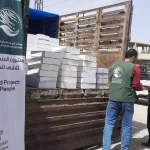
The Sahem platform is an innovative digital donation system developed by KSrelief to streamline charitable giving and ensure full transparency. For Zakat Al-Fitr 1446 AH, the platform allows donors to select the country of distribution—Yemen or Somalia—and the number of beneficiaries they wish to support. Each donation is converted into 3 kilograms of rice, a staple food that provides essential calories and nutrients for families breaking their fast on Eid. The cost per person is SAR15 in Yemen and SAR12 in Somalia, reflecting differences in local procurement and logistical costs. The platform then coordinates with local partners and KSrelief field teams to purchase, package, and distribute the rice to verified eligible households.
Donors can access the service directly through the link provided by KSrelief: https://sahem.ksrelief.org/fitr. The website is available in both Arabic and English, making it accessible to a wide range of users. Once a donation is made, donors receive confirmation and can track the distribution process through the platform’s reporting features. This level of accountability is a hallmark of KSrelief’s operations, which adhere to international humanitarian standards and Saudi Arabia’s strict Sharia guidelines. How often do charitable donations fail to reach their intended recipients because of a lack of transparent infrastructure?
The distribution itself is carried out in close coordination with local authorities and humanitarian partners in Yemen and Somalia. In Yemen, KSrelief works with established local charities and community leaders to identify the most vulnerable families, including widows, orphans, the elderly, and internally displaced persons. In Somalia, similar mechanisms are used, with a focus on regions affected by drought and conflict. The rice is procured locally where possible, which not only reduces costs but also supports local economies and ensures that the food is culturally appropriate. This approach reflects KSrelief’s broader strategy of combining immediate relief with long-term resilience building.
International and Regional Impact
The Zakat Al-Fitr distribution in Yemen and Somalia carries significant implications beyond the immediate provision of food. In Yemen, where the humanitarian crisis remains one of the world’s worst, any additional food assistance helps alleviate pressure on overstretched aid agencies and local markets. The rice distributed through the Sahem platform will reach families who might otherwise go hungry during Eid, a time when the psychological burden of poverty is felt most acutely. By ensuring that Zakat is delivered on time, KSrelief also upholds the religious rights of both donors and recipients, reinforcing the social fabric of Muslim communities.
Regionally, the initiative strengthens Saudi Arabia’s role as a leading humanitarian actor in the Middle East and the Horn of Africa. It complements the Kingdom’s diplomatic and development efforts, which include infrastructure projects, educational scholarships, and health programs. For Somalia, the distribution contributes to stability by reducing the risk of food riots and displacement. For Yemen, it supports ongoing peace-building efforts by demonstrating that Saudi Arabia remains committed to the welfare of the Yemeni people despite the complex political situation. Could there be a more effective way to build goodwill than by feeding the hungry during a sacred holiday?
International observers have consistently praised KSrelief for its professionalism and reach. The United Nations has recognized the center as a key partner in global humanitarian response, and many Western governments have cited its work as an example of effective South-South cooperation. The Sahem platform itself has been highlighted in digital philanthropy forums as a model for how technology can enhance charitable giving. By making Zakat Al-Fitr distribution more accessible, KSrelief is also encouraging a new generation of donors, particularly young Muslims who prefer online transactions, to participate in traditional religious obligations.
Economic and Strategic Significance
From an economic perspective, the initiative has multiple layers of significance. The procurement of rice for Yemen and Somalia injects capital into local agricultural markets, supporting farmers and traders. In Yemen, where the economy has been devastated by conflict, such spending can help stabilize food prices and create temporary employment in packaging and distribution. In Somalia, the purchase of locally sourced rice supports pastoralist and farming communities that are often hit hardest by climate shocks. The use of the Sahem platform also reduces administrative overhead, allowing a higher percentage of each donation to go directly to food aid.
Strategically, the Zakat Al-Fitr program reinforces Saudi Arabia’s soft power and its commitment to Islamic solidarity. It demonstrates that the Kingdom is not only a major donor but also a facilitator of religious duties for Muslims worldwide. This aligns with Vision 2030’s goal of positioning Saudi Arabia as a global leader in humanitarian and cultural diplomacy. The program also complements other Saudi initiatives, such as the Saudi Fund for Development and the King Abdullah Humanitarian Foundation, by addressing immediate food security needs while laying the groundwork for longer-term stability. What better way to showcase the Kingdom’s values than by enabling Muslims everywhere to fulfill their religious obligations with ease and confidence?
Furthermore, the digital nature of the Sahem platform contributes to Saudi Arabia’s broader push for digital transformation. It showcases how government-backed technology can be used for social good, a theme that resonates with Vision 2030’s focus on innovation and e-government. The platform’s success could be replicated for other forms of Zakat, such as Zakat Al-Mal, and for other regions in need. This scalability makes the initiative not just a seasonal charity drive but a sustainable model for Islamic philanthropy in the 21st century.
Vision 2030 Alignment
The Zakat Al-Fitr distribution via the Sahem platform is a direct reflection of Saudi Vision 2030’s humanitarian and social responsibility pillars. Vision 2030, launched in 2016 by Crown Prince Mohammed bin Salman, aims to diversify the economy, empower citizens, and strengthen Saudi Arabia’s global role. One of its key themes is enhancing the Kingdom’s humanitarian and relief efforts, which are seen as an expression of Saudi values and Islamic principles. KSrelief is a central instrument of this vision, and its programs are designed to be efficient, transparent, and impactful. By facilitating Zakat for Yemen and Somalia, KSrelief is helping to build a more compassionate and interconnected world, which in turn enhances Saudi Arabia’s reputation as a responsible global citizen.
Looking ahead, KSrelief plans to expand the Sahem platform to include more countries and more types of aid. The center is also investing in artificial intelligence and blockchain technology to further improve transparency and reduce delivery times. These innovations align with Vision 2030’s emphasis on technology and innovation as drivers of progress. For donors, the message is clear: your Zakat can now reach the most vulnerable with unprecedented speed and reliability. For beneficiaries in Yemen and Somalia, the message is one of hope and dignity. As Ramadan 1446 comes to a close, the Kingdom of Saudi Arabia once again demonstrates that its commitment to humanitarianism knows no borders. Will you be part of this noble effort?
20 Questions
Q1. What is Zakat Al-Fitr and why is it important?
A1. Zakat Al-Fitr is a mandatory charity given by Muslims at the end of Ramadan. It purifies the fasting person and ensures that the poor can celebrate Eid with dignity. It must be distributed before the Eid prayer and is typically given as staple food.
Q2. How is KSrelief facilitating Zakat Al-Fitr distribution this year?
A2. KSrelief is using its digital Sahem platform to collect and distribute Zakat Al-Fitr for beneficiaries in Yemen and Somalia. Donors can visit the platform, select a country, and contribute SAR15 per person in Yemen or SAR12 per person in Somalia.
Q3. What is the Sahem platform?
A3. Sahem is an online donation portal developed by KSrelief. It allows users to make secure charitable contributions, track their donations, and ensure that aid reaches verified beneficiaries in accordance with Sharia and international humanitarian standards.
Q4. Why are Yemen and Somalia the focus of this initiative?
A4. Yemen and Somalia are among the world’s most vulnerable countries due to conflict, drought, and economic instability. Millions face food insecurity, making them priority regions for Saudi humanitarian aid, especially during Ramadan.
Q5. How much does it cost to provide Zakat Al-Fitr per person?
A5. The cost is SAR15 per person in Yemen and SAR12 per person in Somalia. Each contribution provides 3 kilograms of rice, a staple food that meets immediate nutritional needs for families during Eid.
Q6. How does KSrelief ensure that donations reach the right people?
A6. KSrelief works with local partners, community leaders, and field teams to identify eligible beneficiaries. The distribution process is monitored and reported, ensuring transparency and adherence to Sharia guidelines.
Q7. Can non-Saudis donate through the Sahem platform?
A7. Yes, the Sahem platform is accessible internationally. Donors from any country can contribute using the online portal, which is available in both Arabic and English, making it easy for global Muslims to fulfill their Zakat.
Q8. What is the deadline for giving Zakat Al-Fitr?
A8. Zakat Al-Fitr must be given before the Eid Al-Fitr prayer. KSrelief encourages early donations to ensure timely distribution. The Sahem platform remains open throughout Ramadan and until the Eid prayer.
Q9. How does this initiative align with Saudi Vision 2030?
A9. It supports Vision 2030’s humanitarian and social responsibility goals by enhancing Saudi Arabia’s global role, promoting digital innovation, and demonstrating Islamic solidarity. It also strengthens the Kingdom’s soft power and diplomatic ties.
Q10. What food items are distributed as Zakat Al-Fitr?
A10. KSrelief distributes 3 kilograms of rice per beneficiary. Rice is a staple food in both Yemen and Somalia, providing essential calories and nutrients. It is culturally appropriate and easy to store and prepare.
Q11. How does the Sahem platform ensure Sharia compliance?
A11. The platform follows strict Sharia guidelines set by Saudi religious authorities. Zakat is collected and distributed according to Islamic law, with oversight from scholars and KSrelief’s compliance team.
Q12. What impact does this distribution have on local economies?
A12. By procuring rice locally where possible, KSrelief supports local farmers and traders. This injects capital into vulnerable economies, helps stabilize food prices, and creates temporary jobs in packaging and distribution.
Q13. Are there any other Saudi humanitarian initiatives for Yemen and Somalia?
A13. Yes, KSrelief runs numerous projects in both countries, including food security, healthcare, education, and water sanitation. These are part of Saudi Arabia’s broader humanitarian commitment to the region.
Q14. How can donors track their Zakat donation?
A14. After donating through the Sahem platform, donors receive a confirmation and can log in to track the distribution process. KSrelief provides reports on the number of beneficiaries reached and the areas covered.
Q15. Is the Sahem platform secure for online payments?
A15. Yes, the platform uses advanced encryption and secure payment gateways. It is managed by KSrelief and adheres to international data protection standards, ensuring that donor information is safe.
Q16. What is the significance of giving Zakat during Ramadan?
A16. Ramadan is a month of heightened spirituality and generosity. Giving Zakat during this time carries greater reward and helps purify one’s wealth. It also ensures that the poor can enjoy Eid celebrations.
Q17. How does KSrelief coordinate with international organizations?
A17. KSrelief partners with the United Nations, Red Cross, and other NGOs to maximize reach and efficiency. These partnerships ensure that aid is delivered according to international humanitarian principles.
Q18. Can businesses or organizations donate through Sahem?
A18. Yes, businesses and organizations can make bulk donations through the Sahem platform. KSrelief offers corporate partnership options for companies wishing to fulfill their social responsibility goals.
Q19. What is the expected number of beneficiaries for this year’s Zakat Al-Fitr?
A19. KSrelief has not specified a fixed number, but the program aims to reach as many eligible individuals as possible in Yemen and Somalia. The platform’s scalability allows for a broad reach.
Q20. How can I learn more about KSrelief’s work?
A20. You can visit the official KSrelief website or follow its social media channels for updates. The Sahem platform also provides information on ongoing projects and impact reports for donors and the public.
Reader Feedback
We value your thoughts. Please share your feedback on this article.
Your feedback helps us improve our coverage.
Related articles
 Guest Care Center Launches in the Grand Mosque Courtyard
 KSrelief Distributes 4,114 Date Cartons to Families in Syria’s Daraa
 Makkah Municipality Expands Ramadan Volunteer Initiatives
 KSrelief Distributes 3,360 Date Cartons in Yemen
 KSrelief Distributes 8,471 Date Cartons in Syria’s Rif Dimashq
 Saudi Arabia Weather Forecast for Friday: Thunderstorms and Dust