


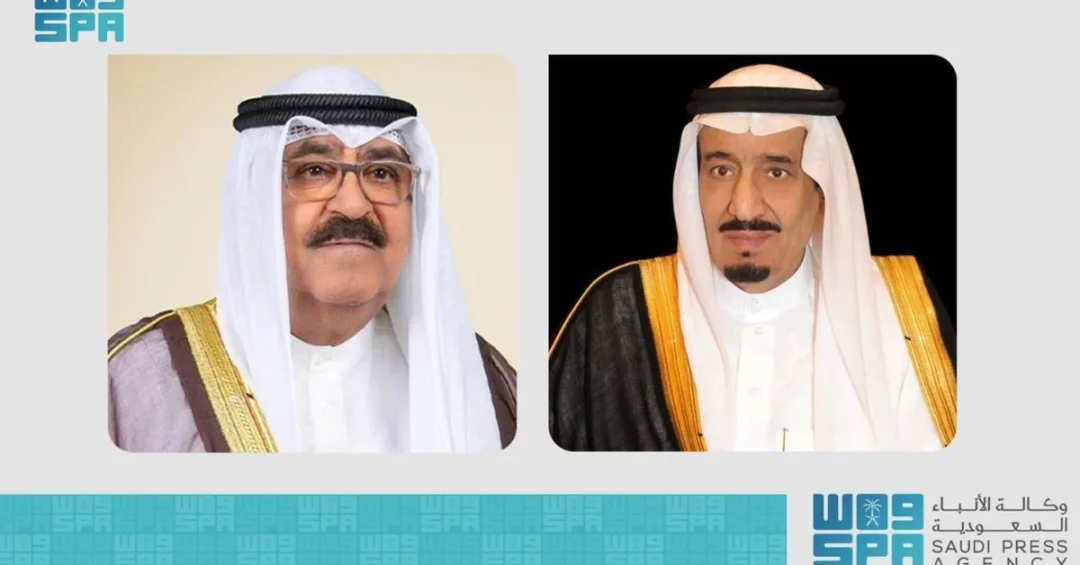
The Amir of Kuwait, Sheikh Mishal Al-Ahmad Al-Jaber Al-Sabah, has congratulated the Custodian of the Two Holy Mosques, King Salman bin Abdulaziz Al Saud, on the successful organization of the Hajj season 1445 AH. This message, sent through an official cable, praised the Kingdom’s extraordinary efforts and the grace of Allah in ensuring a safe and smooth pilgrimage for millions of Muslims from around the globe. The recognition from Kuwait’s leadership underscores the deep bonds and mutual respect that characterize the relationship between the two Gulf nations.
Context and Background
The annual exchange of congratulations between international leaders and the Custodian of the Two Holy Mosques is a time-honored tradition that highlights the importance of the Hajj, a pillar of Islam. This year, the Kingdom demonstrated its unwavering commitment to providing comprehensive services, expanding infrastructure, and implementing innovative technologies to accommodate the large number of pilgrims. The success of the Hajj season is a testament to the meticulous planning and coordination of the Saudi government, which works continuously to ensure the highest levels of safety, comfort, and spiritual fulfillment for every visitor.
Key Details
In his cable, the Amir of Kuwait praised the ongoing expansion works at the Grand Mosque in Mecca and the introduction of smart services and advanced technologies across all holy sites. These improvements are designed to ease the performance of rituals, improve crowd management, and enhance the overall pilgrim experience. The Amir also recognized the dedicated efforts of Prince Khalid Al-Faisal, Advisor to the Custodian of the Two Holy Mosques and Governor of Makkah Region, and Prince Abdulaziz bin Saud bin Naif, Minister of Interior and Chairman of the Supreme Hajj Committee. Their meticulous coordination among all concerned sectors ensured the seamless execution of the pilgrimage. Additionally, the Crown Prince of Kuwait, Sheikh Sabah Khaled Al-Hamad Al-Sabah, and the Prime Minister, Sheikh Ahmad Abdullah Al-Ahmad Al-Sabah, sent separate cables of congratulations, reflecting the uniform support from the Kuwaiti leadership for Saudi Arabia’s stewardship of the holy sites.
Implications and Regional Impact
The congratulatory messages from Kuwait are more than diplomatic gestures; they reinforce the strong bilateral ties and mutual respect between the two countries. They also highlight the broader recognition of Saudi Arabia’s role as the organizer of one of the world’s largest annual religious events. The successful integration of smart services during the Hajj season 1445 demonstrates the Kingdom’s ability to merge tradition with innovation, setting a benchmark for other nations. This achievement not only strengthens the Kingdom’s regional influence but also contributes to global confidence in its capacity to host large-scale events with efficiency and utmost care for pilgrims.
Vision 2030 Alignment
The performance of the Hajj aligns directly with Saudi Arabia’s Vision 2030 objectives, which seek to improve the quality of life for citizens and visitors while diversifying the economy. The modernization of holy sites and the introduction of smart services are part of the broader strategy to make the Kingdom a global hub for religious tourism and innovation. By continuing to invest in state-of-the-art infrastructure and maintaining the highest standards of service, Saudi Arabia is advancing its Vision 2030 goals, ensuring that the Islamic world and the global community can look forward to ever more seamless and spiritual pilgrimages.
20 Questions
Q1. Who sent the congratulations to King Salman?
A1. The Amir of Kuwait, Sheikh Mishal Al-Ahmad Al-Jaber Al-Sabah, sent a cable of congratulations to the Custodian of the Two Holy Mosques, King Salman bin Abdulaziz Al Saud, on the success of the Hajj season 1445 AH.
Q2. What was the primary reason for the congratulations?
A2. The message was to honor the successful organization and smooth execution of the Hajj season, which was the result of Saudi Arabia’s dedicated and the attention of Allah for the well-being of pilgrims.
Q3. Which holy sites were mentioned in the message?
A3. The message specifically praised the expansion work at the Grand Mosque in Mecca and the introduction of smart services at all holy sites, including Mina, Arafat, and Muzdalifah, to facilitate the pilgrims.
Q4. What are the smart services introduced at the holy sites?
A4. Smart services encompass various technologies such as electronic crowd management, real-time navigational apps, smart health monitoring devices, and automated logistics systems that aim to improve safety and comfort for pilgrims.
Q5. Who is Prince Khalid Al-Faisal?
A5. Prince Khalid Al-Faisal is the Advisor to the Custodian of the Two Holy Mosques, the Governor of Makkah Region, and the Chairman of the Central Hajj Committee, playing a crucial role in overseeing Hajj operations.
Q6. Who is Prince Abdulaziz bin Saud bin Naif?
A6. Prince Abdulaziz bin Saud bin Naif is the Minister of Interior of Saudi Arabia and the Chairman of the Supreme Hajj Committee, responsible for security and comprehensive planning during the Hajj.
Q7. How many pilgrims typically perform Hajj annually?
A7. The number of pilgrims exceeds two million each year, drawn from over 180 countries, making it a massive logistical challenge that the Kingdom handles with the help of sophisticated planning and services.
Q8. Why is the Hajj important to the Islamic world?
A8. The Hajj is one of the five pillars of Islam and a spiritual obligation for all able Muslims, serving as a symbol of unity and devotion to Allah, and creating a global brotherhood.
Q9. What is the role of the Saudi government during Hajj?
A9. The Saudi government, under the Custodian of the Two Holy Mosques, ensures the comprehensive safety, health, and convenience of pilgrims, including providing extensive housing, transportation, and health services.
Q10. How does the Gulf community perceive Saudi Arabia’s Hajj management?
A10. The Gulf countries, as exemplified by Kuwait’s action, view Saudi Arabia’s Hajj management as a symbol of excellence and dedication, strengthening their trust and respect for the Kingdom’s leadership.
Q11. What is the significance of the expansion at the Grand Mosque?
A11. The expansion of the Grand Mosque increases its capacity to accommodate a greater number of worshippers, allowing more pilgrims to perform Tawaf and other rituals with comfort and ease.
Q12. How does the Hajj season affect tourism in Saudi Arabia?
A12. The Hajj season is a key component of religious tourism, attracting millions of visitors. Vision 2030 aims to increase the number of pilgrims and visitors, thus boosting the tourism sector and economic diversification.
Q13. What are the two committees that were praised?
A13. The two committees are the Central Hajj Committee, led by Prince Khalid Al-Faisal, and the Supreme Hajj Committee, led by Prince Abdulaziz bin Saud, both ensuring organizational and security aspects of the event.
Q14. Who else from Kuwait sent congratulations?
A14. The Crown Prince of Kuwait, Sheikh Sabah Khaled Al-Hamad Al-Sabah, and the Prime Minister, Sheikh Ahmad Abdullah Al-Ahmad Al-Sabah, also sent cables of congratulations to the Custodian of the Two Holy Mosques.
Q15. When was the congratulatory message sent?
A15. The cable was sent on June 18, 2024, corresponding to the completion of the Hajj season 1445 AH, as reported by the Saudi Press Agency.
Q16. How does the success of Hajj affect Saudi Arabia’s global position?
A16. The successful organization of the Hajj demonstrates Saudi Arabia’s ability to handle complex global events, strengthening its political and religious prestige in the Islamic world and the global stage.
Q17. What technological advances are being used?
A17. The Kingdom has deployed technologies such as smart bracelets for pilgrims, AI-driven crowd control, and a dedicated mobile app that offers guidance and assistance in multiple languages, making the process smoother.
Q18. How is Vision 2030 connected to Hajj?
A18. Vision 2030 prioritizes the improvement of the experience for pilgrims and tourists, aiming to accommodate 30 million pilgrims by 2030, thereby contributing to the Kingdom’s strategic goals and economic growth.
Q19. What does the Kuwaiti gesture indicate about bilateral ties?
A19. The friendly action demonstrates the deeply rooted mutual trust and respect between Kuwait and Saudi Arabia, reinforcing their collaborative relationship in various sectors of governance and society.
Q20. What benefits do smart services bring to pilgrims?
A20. Smart services ensure efficient crowd flow, quick emergency response, and accessible information, significantly reducing difficulties and risks, making the Hajj more comfortable and spiritually enriching for all.
Reader Feedback
We value your thoughts. Please share your feedback on this article.
Your feedback helps us improve our coverage.