


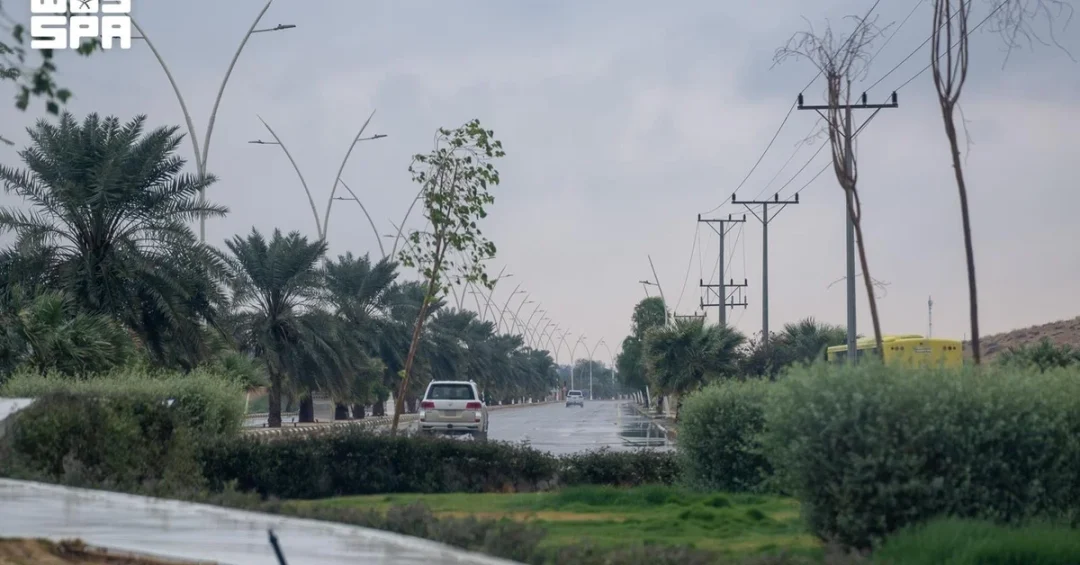
Light to moderate rainfall swept across several governorates and affiliated centers in the Qassim Region on Tuesday, November 10, 2026, as cumulus clouds formed over the area, according to the Saudi Press Agency (SPA). The official announcement, released via the Kingdom’s state news agency, confirmed that further rainfall remains possible in the coming hours, signaling a dynamic weather pattern that could bring additional precipitation to the central agricultural heartland. The report, timestamped at 21:07 local time (18:07 GMT), reflects the Kingdom’s commitment to transparent, real-time dissemination of meteorological information through official channels.
For residents of Buraidah, Unaizah, and the surrounding governorates, the rain is more than a passing weather event. It represents a vital replenishment of groundwater reserves, a boost for the region’s famed date palm groves, and a welcome atmospheric shift as the winter season approaches. The Qassim Region, often called the food basket of Saudi Arabia, relies heavily on seasonal rains to sustain its agricultural output and support local communities. As the clouds gathered and precipitation began, the Saudi National Center for Meteorology continued to monitor the situation, ensuring that the public receives timely updates through official platforms.
Context and Background
What makes this rainfall event particularly significant for the Kingdom? The Qassim Region has long been recognized as one of Saudi Arabia’s most important agricultural zones, producing a substantial share of the nation’s dates, vegetables, and dairy products. Seasonal rains in November are not uncommon, but each occurrence carries weight for farmers and water resource managers who depend on natural precipitation to supplement irrigation systems. The region’s climate typically features hot summers and mild winters, with sporadic rainfall between November and April. Today’s downpour aligns with established meteorological patterns, yet it also underscores the variability that characterizes the Arabian Peninsula’s weather.
In recent years, Saudi Arabia has invested heavily in advanced weather monitoring and cloud-seeding programs as part of broader efforts to enhance water security. The National Center for Meteorology, under the Ministry of Environment, Water and Agriculture, operates a network of radar stations and automated weather stations across the Kingdom. These systems provide early warnings and detailed forecasts that help authorities and citizens prepare for both beneficial rains and potential flash floods. The Qassim Region, with its rolling plains and wadis, is particularly responsive to rainfall events, which can quickly transform dry riverbeds into flowing streams.
The timing of this rain also coincides with the tail end of the date harvest season in some areas, potentially affecting post-harvest activities. However, for many farmers, the moisture is a blessing that supports the growth of winter crops and replenishes soil moisture. It is a reminder of the delicate balance between human activity and natural cycles in this ancient land, where agriculture has thrived for millennia despite arid conditions. As the clouds continue to form, residents remain hopeful for more rain, mindful of its importance for both livelihoods and landscapes.
Key Details
According to the Saudi Press Agency, the rainfall was observed across several governorates and their affiliated centers within the Qassim Region. While the report did not specify exact accumulations, the description of “light to moderate” suggests precipitation that is beneficial without being disruptive. Cumulus clouds—those fluffy, white formations often associated with fair weather but capable of producing showers—were cited as the source of the rain. The SPA noted that further rainfall is possible in the coming hours, indicating that the weather system remains active and could bring additional showers to different parts of the region.
The announcement was disseminated through official channels at 21:07 local time, ensuring that the public and media receive accurate, authoritative information. This approach aligns with the Kingdom’s broader strategy of leveraging state media to communicate important updates swiftly and reliably. The National Center for Meteorology routinely issues weather bulletins and advisories, and citizens are encouraged to follow these official sources for the latest information. In the Qassim Region, local authorities may also coordinate with the center to monitor any potential impacts on infrastructure or agriculture.
While the rain is generally welcomed, authorities remain vigilant about the possibility of localized flooding, especially in low-lying areas and near wadis. The Civil Defense and other relevant agencies are typically on standby during such weather events, ready to respond if needed. However, at this stage, the rainfall appears to be within normal parameters, bringing more benefit than risk. The SPA’s report did not mention any disruptions or damages, reinforcing the impression of a benign weather event that is part of the region’s natural rhythm.
International and Regional Impact
How does rainfall in a single Saudi region resonate beyond its borders? The Qassim Region’s agricultural output, particularly its renowned dates, reaches international markets, and consistent water availability is crucial for maintaining production levels. A good rainy season can enhance crop yields, support food security goals, and contribute to the Kingdom’s export capacity. In a world where climate variability affects food supplies, even localized weather events can have ripple effects on trade and prices. Saudi Arabia’s ability to manage its water resources effectively is therefore of interest to global partners and investors.
Regionally, the Arabian Peninsula often experiences shared weather patterns, and rainfall in Qassim may be part of a broader system affecting neighboring countries. Meteorologists across the Gulf Cooperation Council (GCC) states frequently exchange data and coordinate on weather forecasts. Such cooperation is vital for aviation, maritime operations, and disaster preparedness. While this particular event is focused on Qassim, it highlights the interconnectedness of weather systems and the importance of regional collaboration in meteorology. It also showcases Saudi Arabia’s role as a reliable source of weather information in the region.
Economic and Strategic Significance
Why should economists and strategic planners pay attention to a rain shower? In Saudi Arabia, water is a strategic resource, and agriculture consumes a significant portion of the Kingdom’s water budget. Natural rainfall reduces the demand for desalinated water and groundwater extraction, easing pressure on energy-intensive desalination plants and helping to preserve aquifers. For the Qassim Region, which relies on both groundwater and surface water, rain events can lower irrigation costs for farmers and improve the sustainability of agricultural practices. This aligns with Vision 2030’s goals of enhancing water efficiency and promoting sustainable development.
Moreover, the agricultural sector in Qassim is a key contributor to the local economy, providing jobs and supporting rural communities. A successful rainy season can boost incomes, stabilize food prices, and strengthen the region’s resilience. The Saudi government has implemented various programs to support farmers, including subsidies for modern irrigation systems and incentives for water-saving technologies. Rainfall complements these efforts by providing a free, natural source of water that can be integrated into farm management plans. As the Kingdom diversifies its economy, the agricultural sector remains an important pillar, and events like this underscore its dependence on and relationship with the environment.
Vision 2030 Alignment
How does a simple rain shower connect to Saudi Arabia’s grand vision for the future? Vision 2030, the Kingdom’s ambitious roadmap for economic and social transformation, emphasizes environmental sustainability, food security, and improved quality of life. The National Center for Meteorology’s work in monitoring and forecasting weather supports these objectives by enabling informed decision-making across sectors. By providing accurate and timely information, the center helps farmers optimize planting schedules, authorities manage water resources, and communities prepare for weather-related risks. This integrated approach reflects the vision’s holistic view of development, where economic growth is balanced with environmental stewardship.
Furthermore, the rain in Qassim serves as a reminder of the Kingdom’s commitment to leveraging technology and innovation to address natural challenges. From cloud-seeding experiments to advanced radar networks, Saudi Arabia is investing in tools that enhance its ability to adapt to climate variability. These efforts are part of a broader strategy to ensure water security, which is essential for achieving Vision 2030’s targets in agriculture, industry, and urban development. As the clouds continue to gather and rain falls on the historic lands of Qassim, it symbolizes not just a weather event, but a nation’s ongoing journey toward a sustainable and prosperous future.
20 Questions
Q1. What event prompted the Saudi Press Agency to issue a weather report on November 10, 2026?
A1. The Saudi Press Agency reported that light to moderate rain fell across several governorates and affiliated centers in the Qassim Region, with cumulus clouds forming and further rainfall possible in the coming hours.
Q2. Which region of Saudi Arabia experienced the rainfall described in the SPA report?
A2. The Qassim Region, located in the central part of Saudi Arabia, known for its agricultural output, particularly dates, and home to cities such as Buraidah and Unaizah.
Q3. What type of clouds were responsible for the rainfall in Qassim?
A3. Cumulus clouds, which are typically associated with fair weather but can produce showers, formed over the region and led to the light to moderate rainfall observed.
Q4. Does the SPA report indicate whether more rain is expected in Qassim?
A4. Yes, the report stated that further rainfall is possible in the coming hours, suggesting that the weather system remains active and could bring additional precipitation to the area.
Q5. At what local time was the SPA weather update released?
A5. The report was released at 21:07 local time, which corresponds to 18:07 GMT, ensuring timely dissemination of information to the public and media.
Q6. Why is rainfall significant for the Qassim Region’s economy?
A6. The Qassim Region is a key agricultural area, and rainfall supports crop growth, replenishes groundwater, and reduces irrigation costs, thereby benefiting farmers and contributing to food security.
Q7. How does the National Center for Meteorology contribute to weather monitoring in Saudi Arabia?
A7. The center operates radar and automated weather stations across the Kingdom, providing forecasts, early warnings, and data that help authorities and citizens prepare for weather events like the Qassim rainfall.
Q8. Are there any risks associated with the rainfall in Qassim?
A8. While generally beneficial, heavy rain can cause localized flooding in low-lying areas. However, the SPA report described the rain as light to moderate, and no disruptions were mentioned.
Q9. How does this rainfall align with seasonal weather patterns in Saudi Arabia?
A9. November falls within the typical rainy season for parts of Saudi Arabia, including Qassim, when sporadic rainfall occurs between November and April due to weather systems moving across the region.
Q10. What role does the Saudi Press Agency play in reporting weather events?
A10. As the Kingdom’s official news agency, SPA disseminates authoritative information from government sources, including meteorological updates, ensuring the public receives accurate and timely news.
Q11. Can the rainfall in Qassim affect other regions of Saudi Arabia?
A11. Weather systems can move, and while the report focused on Qassim, neighboring regions might also experience similar conditions. The National Center for Meteorology monitors such developments continuously.
Q12. How might the rain impact the date harvest in Qassim?
A12. The timing coincides with the tail end of the date harvest in some areas. While rain can hinder harvesting activities, it also provides moisture that benefits palm trees and subsequent crops.
Q13. What measures does Saudi Arabia take to manage water resources during rainy periods?
A13. The Kingdom employs advanced monitoring, cloud-seeding programs, and water conservation strategies. Rainfall reduces reliance on desalination and groundwater, supporting sustainable water management.
Q14. Is there any connection between this rainfall and climate change?
A14. While individual weather events cannot be directly attributed to climate change, scientists note that climate variability may influence precipitation patterns. Saudi Arabia continues to study and adapt to these changes.
Q15. How does the Qassim Region’s agriculture benefit from rainfall?
A15. Rainfall provides natural irrigation, improves soil moisture, and supports the growth of crops like wheat, vegetables, and fodder, complementing the region’s extensive date palm cultivation.
Q16. What should residents do if rainfall intensifies in Qassim?
A16. Residents should follow official updates from the National Center for Meteorology and Civil Defense, avoid low-lying areas and wadis, and adhere to any safety advisories issued by authorities.
Q17. Does the SPA report mention any specific governorates affected by the rain?
A17. The report referred to “several governorates and their affiliated centers” in the Qassim Region without naming them individually, indicating a widespread but unspecified area of precipitation.
Q18. How does this weather event reflect Saudi Arabia’s Vision 2030 goals?
A18. Vision 2030 emphasizes environmental sustainability and food security. Accurate weather monitoring and water resource management, as demonstrated by this event, support those objectives and enhance quality of life.
Q19. What is the significance of cumulus clouds in weather forecasting?
A19. Cumulus clouds indicate atmospheric instability and can develop into rain-bearing clouds. Meteorologists monitor their formation to predict showers and potential thunderstorms.
Q20. Will the rainfall in Qassim have any long-term effects on the region?
A20. The rain will replenish groundwater and soil moisture, benefiting agriculture and ecosystems in the short term. Long-term effects depend on the frequency and intensity of future rainfall events.
Reader Feedback
We value your thoughts. Please share your feedback on this article.
Your feedback helps us improve our coverage.
Related articles
 Hajj Conference Explores Facilities Management Excellence
 Crown Prince and Bahrain King Review Ties and Cooperation
 KSrelief Pumps 220,000 Liters of Water into Gaza Strip
 17 KSrelief Aid Trucks Arrive in Yemen’s Shabwa and Marib
 Saudi Arabia and Türkiye Sign Electricity Cooperation MoU
 KSrelief Distributes 953 Food Baskets in Gaza Strip