


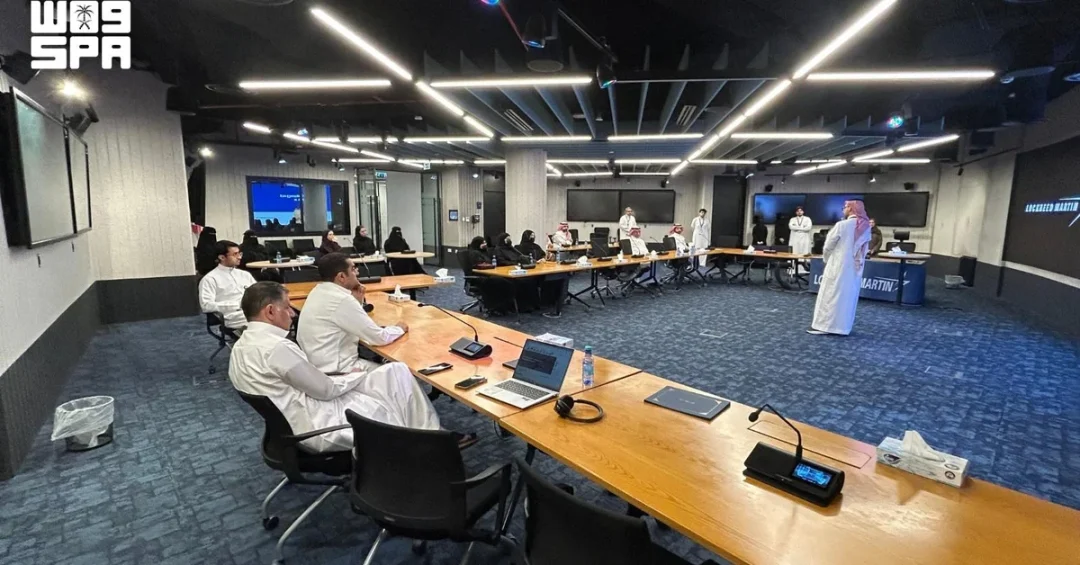
Lockheed Martin has marked the completion of its summer internship program with a graduation ceremony held in Riyadh, celebrating a cohort of Saudi university students who spent the summer building technical skills in artificial intelligence (AI), robotics and advanced manufacturing, as part of Lockheed Martin’s broader efforts to support national capability building and facilitate knowledge transfer in line with Saudi Vision 2030 objectives. The program, designed to nurture Saudi Arabia’s next generation of engineering and technology professionals and advance the Kingdom’s aerospace and manufacturing capabilities, brought together students from leading Saudi universities.
Context and Background
The internship program reflects Lockheed Martin’s long-standing commitment to Saudi Arabia, spanning over six decades of partnership. It supports the Kingdom’s efforts to develop a skilled workforce and advance its vision for a diversified industrial sector and knowledge-based economy. The program is part of Lockheed Martin’s 21st Century Security® vision, which focuses on developing human capital and building world-class industrial capabilities.
Key Details
Brig. Gen. (Ret.) Joseph Rank, Vice President and Chief Executive for Saudi Arabia and Africa at Lockheed Martin, said: “Developing human capital and supporting our partners in building world-class industrial capabilities are central to Lockheed Martin’s 21st Century Security® vision. By empowering the next generation of Saudi industry leaders, we are shaping a more resilient and collaborative defense sector, built on advanced digital technologies and strategic partnerships. Building upon our long-standing partnership with the Kingdom, spanning over six decades, this program underscores our commitment to advancing the nation’s vision for knowledge-based defense, technology and aerospace sectors.”
The program offered participants real-world experience across two projects: the Factory of the Future: Analysis to Define Factory for Unmanned Aircraft, which examined how automated processes, advanced robotics and real-time AI-driven data analytics can improve throughput, reduce production costs and enable efficient manufacturing of unmanned aircraft; and an AI-driven log-card data extraction project for life-limited rotorcraft parts, which applied advanced AI technologies to streamline data management and support more efficient tracking and maintenance of critical rotorcraft components.
Dr. Amr Alasaad, Research and Development Manager at Lockheed Martin Saudi Arabia, said: “The summer internship program brought an applied dimension to our interns’ academic foundation. By offering access to mentorship opportunities across Lockheed Martin’s global network of experts and real-world projects that directly contribute to shaping the future of technology and advanced manufacturing in Saudi Arabia, the program bridged the gap between theory and practice, equipping graduates with the technical expertise to accelerate their career trajectory. This hands-on approach is essential to building a globally competitive local workforce, and we are proud to have played a critical role in developing the Kingdom’s human capital and strengthening its industrial capabilities.”
In line with the program’s commitment to cultivating well-rounded professionals, interns from this cohort have also joined Lockheed Martin’s supply chain team, gaining hands-on experience and building key competencies across both technical and operational disciplines.
Implications and Impact
The program reinforces Lockheed Martin’s role as a trusted partner in supporting the Kingdom’s efforts to develop a skilled workforce and advance its vision for a diversified industrial sector and knowledge-based economy. It also contributes to Saudi Arabia’s broader goals of enhancing local talent and fostering innovation in aerospace and defense technologies.
Vision 2030 Alignment
This initiative aligns with Saudi Vision 2030, which aims to diversify the economy, develop human capital, and promote knowledge-based industries. By equipping Saudi students with advanced technical skills, Lockheed Martin is helping to build a sustainable pipeline of local talent that will drive the Kingdom’s future in aerospace, defense, and advanced manufacturing.
20 Questions
Q1. What event did Lockheed Martin recently hold in Riyadh?
A1. Lockheed Martin held a graduation ceremony in Riyadh to mark the completion of its summer internship program, celebrating Saudi university students who built skills in AI, robotics, and advanced manufacturing.
Q2. Which fields did the interns focus on during the program?
A2. The interns focused on artificial intelligence, robotics, and advanced manufacturing, gaining hands-on experience in these cutting-edge fields to support Saudi Arabia’s aerospace and industrial capabilities.
Q3. Who is Joseph Rank and what did he say about the program?
A3. Joseph Rank is Vice President and Chief Executive for Saudi Arabia and Africa at Lockheed Martin. He emphasized that developing human capital is central to Lockheed Martin’s 21st Century Security® vision and supports Saudi Vision 2030.
Q4. How long has Lockheed Martin been partnering with Saudi Arabia?
A4. Lockheed Martin has partnered with Saudi Arabia for over six decades, demonstrating a long-term commitment to the Kingdom’s defense, technology, and aerospace sectors, as highlighted by Brig. Gen. (Ret.) Joseph Rank.
Q5. What are the two projects that interns worked on?
A5. Interns worked on the Factory of the Future project for unmanned aircraft manufacturing and an AI-driven log-card data extraction project for life-limited rotorcraft parts, applying advanced technologies to real-world challenges.
Q6. What is the Factory of the Future project about?
A6. The Factory of the Future project analyzed how automated processes, advanced robotics, and real-time AI-driven data analytics can improve throughput, reduce production costs, and enable efficient manufacturing of unmanned aircraft.
Q7. What did Dr. Amr Alasaad say about the internship?
A7. Dr. Amr Alasaad, Research and Development Manager at Lockheed Martin Saudi Arabia, said the program bridged the gap between theory and practice, equipping graduates with technical expertise to accelerate their careers and build a globally competitive local workforce.
Q8. Which universities did the interns come from?
A8. The interns came from leading Saudi universities, though specific institutions were not named. The program aimed to nurture Saudi Arabia’s next generation of engineering and technology professionals.
Q9. How does the internship support Saudi Vision 2030?
A9. The internship supports Saudi Vision 2030 by developing human capital and advancing knowledge-based industries, aligning with the Kingdom’s goals to diversify the economy and build a skilled workforce for future aerospace and defense sectors.
Q10. What is Lockheed Martin’s 21st Century Security® vision?
A10. Lockheed Martin’s 21st Century Security® vision focuses on developing human capital, building world-class industrial capabilities, and fostering a resilient defense sector through advanced digital technologies and strategic partnerships.
Q11. Did the interns gain experience in supply chain management?
A11. Yes, interns from this cohort joined Lockheed Martin’s supply chain team, gaining hands-on experience and building competencies across both technical and operational disciplines, contributing to their professional development.
Q12. What technologies were used in the rotorcraft project?
A12. The rotorcraft project applied advanced AI technologies to streamline data management and support more efficient tracking and maintenance of critical rotorcraft components, enhancing operational efficiency and safety.
Q13. How does the program benefit Saudi Arabia’s aerospace sector?
A13. The program benefits Saudi Arabia’s aerospace sector by equipping local talent with advanced technical skills, fostering innovation, and supporting the Kingdom’s efforts to build a sustainable, knowledge-based economy and industrial base.
Q14. What was the duration of the summer internship?
A14. The internship took place over the summer of 2026, culminating in a graduation ceremony in Riyadh on September 17, 2026, as reported by the Saudi Press Agency.
Q15. Who organized the internship program?
A15. Lockheed Martin organized the internship program as part of its broader efforts to support national capability building and knowledge transfer in Saudi Arabia, in line with Saudi Vision 2030 objectives.
Q16. What mentorship opportunities were available to interns?
A16. Interns had access to mentorship from Lockheed Martin’s global network of experts, providing guidance and insights that helped bridge the gap between academic learning and real-world application.
Q17. How does the program contribute to Saudi Arabia’s defense sector?
A17. By empowering the next generation of Saudi industry leaders, the program contributes to a more resilient and collaborative defense sector, built on advanced digital technologies and strategic partnerships, as stated by Joseph Rank.
Q18. What is the significance of the graduation ceremony?
A18. The graduation ceremony celebrated the interns’ completion of the program and highlighted Lockheed Martin’s commitment to developing Saudi talent and supporting the Kingdom’s vision for a knowledge-based economy.
Q19. Will Lockheed Martin continue such programs in the future?
A19. While specific future plans were not announced, Lockheed Martin’s long-standing partnership and commitment to Saudi Vision 2030 suggest ongoing efforts to support human capital development and industrial capabilities in the Kingdom.
Q20. How does this initiative reflect on Saudi Arabia’s global partnerships?
A20. This initiative reflects Saudi Arabia’s strong global partnerships, particularly with Lockheed Martin, showcasing the Kingdom’s attractiveness as a partner for advanced technology and defense collaborations that support its Vision 2030 goals.
Reader Feedback
We value your thoughts. Please share your feedback on this article.
Your feedback helps us improve our coverage.