


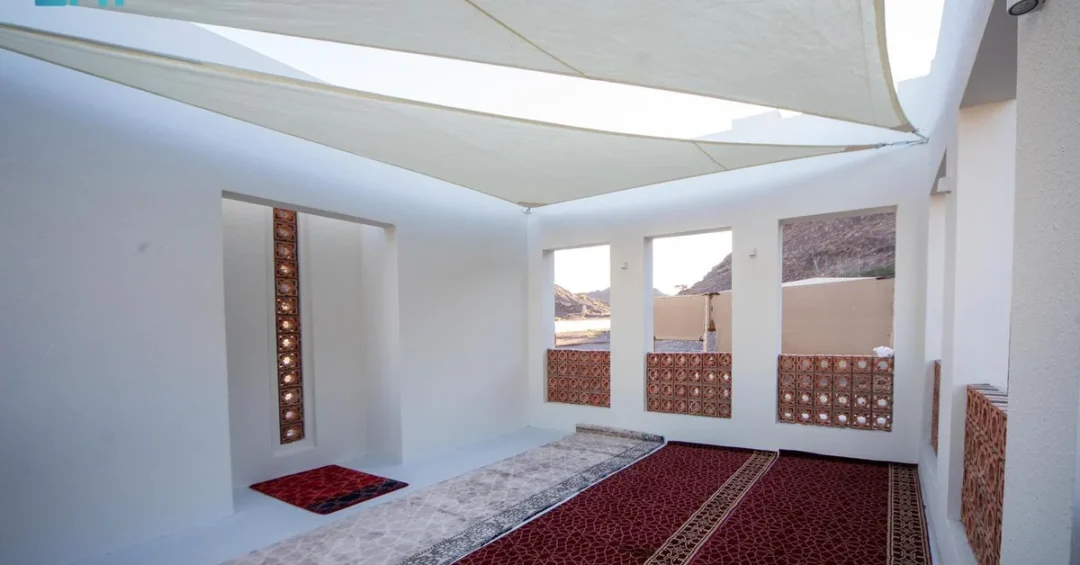
The Al Madinah Region Development Authority has been awarded the King Salman Charter for Architecture and Urbanism Award in the unbuilt projects category for its Mihrab Project, which designs temporary prayer areas along highways and travel routes in the Madinah region. The announcement, reported by the Saudi Press Agency, highlights the Kingdom’s commitment to integrating cultural heritage with modern urban planning, enhancing the experience for travelers and pilgrims.
Context and Background
The King Salman Charter for Architecture and Urbanism, launched as part of Saudi Vision 2030, aims to promote architectural excellence that respects local identity while embracing sustainable and innovative design. The award recognizes projects across three categories: built projects, unbuilt projects, and students’ projects. The Al Madinah Region Development Authority’s Mihrab Project stood out for its thoughtful approach to creating accessible and aesthetically pleasing prayer spaces along key routes in the Madinah region, home to some of Islam’s holiest sites.
The Mihrab Project originated in Madinah with the goal of establishing a distinct visual identity for temporary prayer areas and small mosques. It focuses on enhancing urban spaces and expanding this concept nationwide by targeting roads, parks, and remote communities. The project also includes improving ablution facilities and ramps for people with disabilities, ensuring that prayer is facilitated for all travelers.
Key Details
The first phase of the Mihrab Project involved renovating a prayer area on the Madinah-Yanbu highway, setting a benchmark for future developments. The design balances modern functionality with traditional Islamic architectural elements, creating a harmonious blend that reflects the region’s heritage. The award contributes to the objectives of the King Salman Charter by encouraging urban planning, interior design, and environmental architecture that balance modern development and heritage, promoting designs that enhance local identity while considering the environment and climate.
The Al Madinah Region Development Authority’s recognition underscores the Kingdom’s broader efforts to elevate the quality of urban life and infrastructure, aligning with Vision 2030’s goals of fostering sustainable development and cultural preservation.
Implications and Impact
This award not only honors the Al Madinah Region Development Authority but also sets a precedent for future projects across Saudi Arabia. By focusing on unbuilt projects, the King Salman Charter encourages innovation and forward-thinking design that can be applied nationwide. The Mihrab Project’s emphasis on accessibility and environmental sensitivity demonstrates how urban development can cater to the needs of all citizens and visitors, including the millions of pilgrims who travel through the region annually.
Furthermore, the project’s potential expansion to other regions could significantly enhance the travel experience for both domestic and international visitors, reinforcing Saudi Arabia’s reputation for hospitality and cultural richness. It also aligns with the Kingdom’s efforts to boost tourism and promote religious and cultural heritage as part of Vision 2030.
Vision 2030 Alignment
The Mihrab Project exemplifies the principles of Saudi Vision 2030 by integrating cultural authenticity with modern design, improving infrastructure, and enhancing the quality of life for residents and travelers. As the Kingdom continues to develop mega-projects and urban initiatives, such recognition underscores the importance of preserving heritage while embracing innovation. The Al Madinah Region Development Authority’s achievement serves as a model for future endeavors, contributing to Saudi Arabia’s global standing as a leader in sustainable and culturally sensitive urban development.
20 Questions
Q1. What award did the Al Madinah Region Development Authority receive?
A1. The Al Madinah Region Development Authority received the King Salman Charter for Architecture and Urbanism Award in the unbuilt projects category for its Mihrab Project.
Q2. What is the Mihrab Project?
A2. The Mihrab Project focuses on creating temporary prayer areas along travel routes and highways in the Madinah region, aiming to establish a distinct visual identity for these spaces.
Q3. Where did the Mihrab Project originate?
A3. The project originated in Madinah and aims to enhance urban spaces and expand the concept nationwide, targeting roads, parks, and remote communities.
Q4. What does the first phase of the Mihrab Project include?
A4. The first phase involved renovating a prayer area on the Madinah-Yanbu highway, setting a benchmark for future developments.
Q5. How does the project facilitate prayer for travelers?
A5. The project includes improving ablution facilities and ramps for people with disabilities, ensuring accessible prayer spaces for all travelers.
Q6. What are the categories of the King Salman Charter Award?
A6. The award recognizes projects in three categories: built projects, unbuilt projects, and students’ projects.
Q7. What does the King Salman Charter aim to promote?
A7. It promotes urban planning, interior design, and environmental architecture that balance modern development and heritage, enhancing local identity while considering the environment and climate.
Q8. How does the Mihrab Project align with Vision 2030?
A8. It aligns with Vision 2030 by integrating cultural authenticity with modern design, improving infrastructure, and enhancing quality of life for residents and travelers.
Q9. What is the significance of the award for Saudi Arabia?
A9. The award highlights Saudi Arabia’s commitment to architectural excellence and sustainable urban development, reinforcing its leadership in culturally sensitive design.
Q10. How many pilgrims travel through the Madinah region annually?
A10. Millions of pilgrims travel through the Madinah region annually, making accessible and well-designed prayer areas essential for their comfort and spiritual needs.
Q11. What impact could the Mihrab Project have nationwide?
A11. It could enhance the travel experience across Saudi Arabia, promoting tourism and showcasing the Kingdom’s hospitality and cultural richness.
Q12. Who reported the award announcement?
A12. The award announcement was reported by the Saudi Press Agency (SPA).
Q13. What is the King Salman Charter for Architecture and Urbanism?
A13. It is an initiative under Saudi Vision 2030 that promotes architectural excellence respecting local identity while embracing sustainable and innovative design.
Q14. What makes the Mihrab Project unique?
A14. It combines modern functionality with traditional Islamic architectural elements, creating a harmonious blend that reflects the region’s heritage.
Q15. How does the project address environmental concerns?
A15. The project considers the environment and climate in its designs, promoting sustainability and harmony with nature.
Q16. What does the Mihrab Project aim to expand?
A16. It aims to expand the concept of distinct prayer areas to key areas such as roads, parks, and remote communities nationwide.
Q17. What role does the Al Madinah Region Development Authority play?
A17. The authority is responsible for developing the Madinah region, enhancing urban spaces, and implementing projects like the Mihrab Project.
Q18. How does the award encourage future projects?
A18. By recognizing unbuilt projects, the award encourages innovation and forward-thinking design that can be applied nationwide.
Q19. What is the significance of Madinah in this context?
A19. Madinah is home to some of Islam’s holiest sites, making the enhancement of prayer areas particularly significant for pilgrims and residents.
Q20. What is the ultimate goal of the Mihrab Project?
A20. The ultimate goal is to create a distinct visual identity for temporary prayer areas and small mosques, enhancing urban spaces and facilitating prayer for travelers across Saudi Arabia.
Reader Feedback
We value your thoughts. Please share your feedback on this article.
Your feedback helps us improve our coverage.