


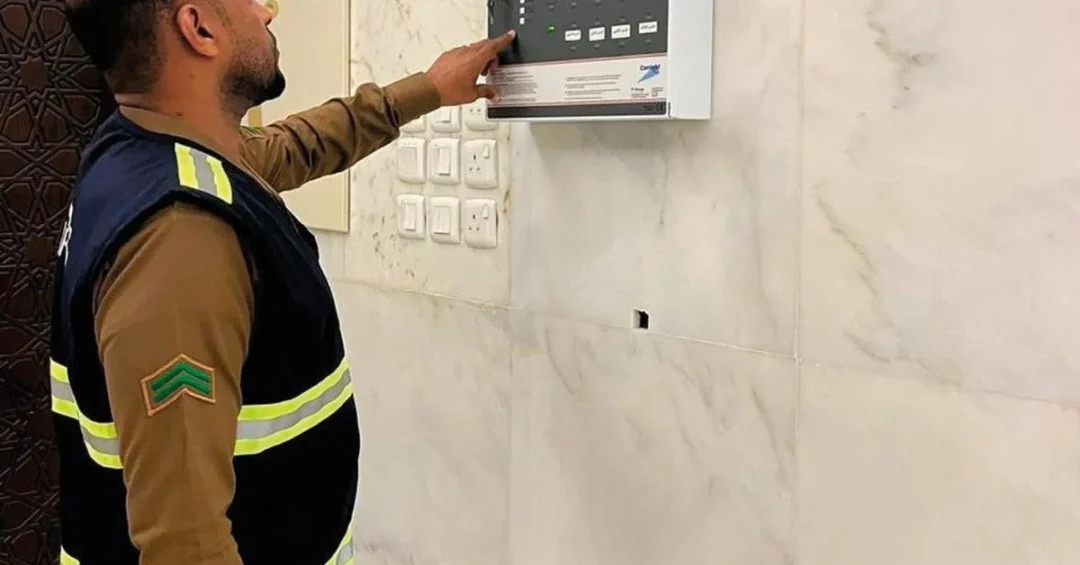
The General Directorate of Civil Defense in Madinah has launched a comprehensive safety campaign ahead of the Hajj season, conducting preventive inspections of pilgrim accommodations and facilities to ensure full compliance with safety regulations. The initiative, reported by the Saudi Press Agency (SPA), aims to safeguard the well-being of millions of pilgrims expected to visit the holy city in the coming weeks.
Context and Background
Madinah, home to the Prophet’s Mosque, is a key destination for pilgrims performing Hajj and Umrah. As the Hajj season approaches, Saudi authorities intensify efforts to provide a safe and spiritually fulfilling experience. The Civil Defense’s proactive measures reflect the Kingdom’s unwavering commitment to pilgrim safety, a top priority for the leadership. These inspections are part of a broader strategy to uphold the highest safety standards across all facilities serving pilgrims.
Key Details
The General Directorate of Civil Defense has reinforced both permanent and seasonal centers with rapid response units and motorcycles to achieve swift emergency response times. This enhancement ensures that any incident can be addressed promptly, minimizing risks. Additionally, awareness messages are being disseminated on screens near the Prophet’s Mosque and in high-density areas, educating pilgrims on safety protocols and emergency procedures. These efforts are coordinated with various government agencies to ensure seamless execution.
Implications and Impact
The bolstered safety measures in Madinah have significant implications for the millions of pilgrims who visit annually. By ensuring that accommodations and facilities meet stringent safety requirements, the Kingdom not only protects lives but also enhances the overall pilgrimage experience. This proactive approach reinforces Saudi Arabia’s reputation as a responsible custodian of the Two Holy Mosques and a leader in crowd management and emergency preparedness. Furthermore, it supports the smooth operation of Hajj, a massive logistical undertaking that showcases Saudi Arabia’s organizational capabilities.
Vision 2030 Alignment
These efforts align with Saudi Vision 2030, which aims to enhance the quality of life for citizens and visitors while ensuring sustainable development. By prioritizing safety and security, the Kingdom demonstrates its commitment to providing world-class services to pilgrims, a key pillar of the Vision’s goal to increase Umrah and Hajj capacity. As Saudi Arabia continues to modernize its infrastructure and services, such initiatives underscore its dedication to maintaining the highest standards of safety and hospitality, further solidifying its global standing.
20 Questions
Q1. What is the main objective of the Civil Defense campaign in Madinah?
A1. The campaign aims to ensure the safety of pilgrims by conducting preventive inspections of accommodations and facilities, verifying compliance with safety regulations, and enhancing emergency response capabilities ahead of the Hajj season.
Q2. Which authority is leading the safety inspections in Madinah?
A2. The General Directorate of Civil Defense is leading the inspections, working in coordination with other government agencies to enforce safety standards and protect pilgrims.
Q3. What types of facilities are being inspected?
A3. Pilgrim accommodations, including hotels and residential buildings, as well as other facilities serving pilgrims, are being inspected to ensure they meet all safety requirements and regulations.
Q4. How has the Civil Defense enhanced its response capabilities?
A4. The Civil Defense has bolstered permanent and seasonal centers with rapid response units and motorcycles to achieve swift emergency response times, ensuring prompt assistance when needed.
Q5. Where are awareness messages being displayed?
A5. Awareness messages are being disseminated on screens near the Prophet’s Mosque and in high-density areas to educate pilgrims on safety protocols and emergency procedures.
Q6. Why is Madinah a critical location for pilgrim safety?
A6. Madinah hosts the Prophet’s Mosque, a major destination for pilgrims during Hajj and Umrah, attracting millions of visitors, thus requiring robust safety measures to manage large crowds effectively.
Q7. How does this initiative reflect Saudi Arabia’s commitment to pilgrims?
A7. It demonstrates the Kingdom’s dedication to safeguarding pilgrims’ well-being, aligning with its role as custodian of the Two Holy Mosques and its prioritization of safety and security.
Q8. What role do rapid response units play in ensuring safety?
A8. Rapid response units enable quick reaction to emergencies, reducing response times and mitigating potential risks, thereby enhancing overall safety for pilgrims.
Q9. How do the inspections contribute to Hajj preparations?
A9. The inspections ensure that all facilities comply with safety regulations, preventing accidents and ensuring a safe environment for pilgrims during the Hajj season.
Q10. What is the significance of using motorcycles in emergency response?
A10. Motorcycles allow responders to navigate through congested areas quickly, ensuring timely assistance during emergencies when large crowds may impede larger vehicles.
Q11. Are there any specific regulations that facilities must adhere to?
A11. Yes, facilities must comply with national safety and fire regulations, including proper exits, fire suppression systems, and structural safety, to protect pilgrims.
Q12. How does this campaign align with Vision 2030?
A12. It supports Vision 2030’s goals to enhance pilgrimage services and infrastructure, ensuring safety and quality of life for visitors, and showcasing Saudi Arabia’s capability to host millions safely.
Q13. What other agencies are involved in these efforts?
A13. Various government agencies, including the Ministry of Hajj and Umrah, local authorities, and emergency services, collaborate to ensure a comprehensive safety approach.
Q14. How are pilgrims being educated about safety?
A14. Through awareness messages on screens, printed materials, and possibly mobile apps, pilgrims are informed about safety protocols, emergency contacts, and evacuation procedures.
Q15. What happens if a facility fails inspection?
A15. Facilities that fail inspection are required to rectify issues promptly; non-compliance may lead to penalties or closure until standards are met, ensuring pilgrim safety.
Q16. How does this initiative impact the local community in Madinah?
A16. It enhances safety for both pilgrims and residents, boosts local business confidence, and ensures a smooth pilgrimage season, benefiting the local economy and reputation.
Q17. What is the expected number of pilgrims this year?
A17. While exact numbers vary, millions of pilgrims are expected, as Saudi Arabia has expanded capacity and streamlined procedures to accommodate growing numbers safely.
Q18. How does the Civil Defense coordinate with health services?
A18. The Civil Defense works with health authorities to ensure medical emergency responses are integrated, providing comprehensive care during incidents.
Q19. What technologies are used in the inspection process?
A19. Inspectors use advanced tools and checklists to assess fire safety, structural integrity, and emergency exits, ensuring thorough evaluations of all facilities.
Q20. How can pilgrims contribute to their own safety?
A20. Pilgrims should follow safety instructions, stay informed via awareness messages, report hazards, and cooperate with authorities to maintain a safe environment for everyone.
Reader Feedback
We value your thoughts. Please share your feedback on this article.
Your feedback helps us improve our coverage.