


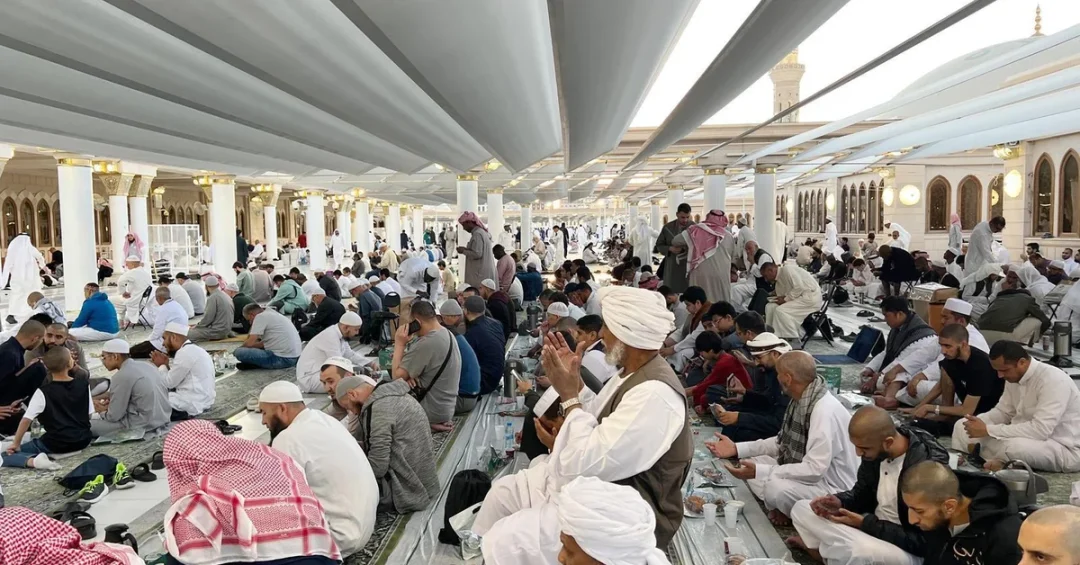
The Madinah branch of the Association for Dawah, Guidance, and Community Awareness has served more than 42,000 Muslims from diverse nationalities during Ramadan 2025, according to the Saudi Press Agency (SPA). The official figures, released on March 25, 2025, detail a wide-reaching program of Umrah support, iftar distribution, and multilingual religious education, reflecting the Kingdom of Saudi Arabia’s enduring commitment to serving pilgrims and residents alike during the holy month. The association’s work, carried out under the guidance of Saudi authorities, underscores Madinah’s unique spiritual role as the city of the Prophet Muhammad (peace be upon him) and a global center of Islamic learning and hospitality.
The scale of the effort is notable: 11,900 people benefited from organized Umrah programs, 12,100 iftar meals were distributed at the Prophet’s Mosque, and a further 18,400 meals reached other communities and new Muslims. More than 120 awareness lessons in nine languages reached over 12,000 people. Together, these initiatives illustrate how Saudi Arabia’s official religious and charitable institutions combine logistical precision with spiritual care, ensuring that the blessings of Ramadan are shared widely. But what does this level of service reveal about the Kingdom’s broader approach to religious outreach and community welfare?
Context and Background
The Association for Dawah, Guidance, and Community Awareness operates as an official Saudi body dedicated to spreading moderate Islamic knowledge, supporting new Muslims, and fostering community cohesion. Its Madinah branch is particularly significant given the city’s status as the second holiest site in Islam and a destination for millions of pilgrims each year. During Ramadan, the demand for guidance, iftar meals, and Umrah assistance rises sharply, and the association’s programs are designed to meet that demand in an organized, compassionate manner. The SPA report confirms that these activities are part of a coordinated national effort to serve visitors and residents during the holy month.
Why is this work so important in Madinah specifically? The city hosts the Prophet’s Mosque, where Muslims from every continent gather for prayer and reflection. Many are first-time visitors, and some are new Muslims seeking to learn the fundamentals of their faith. The association’s multilingual lessons and Umrah programs cater directly to these needs, removing barriers of language and unfamiliarity. By providing structured support, the association helps ensure that the Ramadan experience is spiritually fulfilling and logistically smooth for everyone, from seasoned pilgrims to those embracing Islam for the first time.
Historically, Saudi Arabia has invested heavily in the infrastructure and services that make such large-scale hospitality possible. The association’s work is one component of a broader ecosystem that includes the General Authority for the Care of the Grand Mosque and the Prophet’s Mosque, the Ministry of Hajj and Umrah, and numerous charitable organizations. This ecosystem reflects a national priority: to serve the guests of God with dignity and efficiency. The Ramadan 2025 figures from Madinah are therefore not an isolated achievement but a continuation of a long-standing tradition of service that dates back to the founding of the Kingdom.
Key Details
According to the SPA report, the association’s Umrah programs benefited 11,900 individuals. Among them were 450 first-time Umrah performers who are new Muslims, a group that receives special attention. For these individuals, performing Umrah is a profound milestone, and the association facilitates every step, from transportation to ritual guidance. The distribution of 12,100 iftar meals at the Prophet’s Mosque further demonstrates the logistical capacity required to feed thousands daily in one of the world’s most crowded religious sites. An additional 18,400 meals were provided to other communities and new Muslims, extending the reach beyond the mosque’s immediate vicinity.
Education formed another pillar of the initiative. Over 120 awareness lessons were delivered in nine languages, benefiting more than 12,000 people. These lessons covered topics such as the fundamentals of Islam, the significance of Ramadan, and the importance of tolerance and coexistence. By offering instruction in multiple languages, the association ensures that non-Arabic speakers can fully participate in the spiritual life of the city. This commitment to linguistic accessibility is a hallmark of Saudi Arabia’s outreach efforts, which aim to make Islamic knowledge available to all, regardless of nationality or background.
How do these numbers translate into real-world impact? Each meal distributed represents a person breaking their fast in comfort; each lesson represents a mind enriched with knowledge; each Umrah trip represents a spiritual journey made possible. The association’s work thus touches individuals and families, creating ripples of goodwill that extend far beyond Madinah. Moreover, the programs are executed in coordination with local authorities, ensuring safety, order, and adherence to the highest standards of service. The SPA’s decision to highlight these figures reflects the Kingdom’s transparency and pride in its religious and charitable institutions.
International and Regional Impact
The association’s activities have a distinctly international dimension. The 42,000 beneficiaries hailed from diverse nationalities, underscoring Madinah’s role as a global crossroads. Many pilgrims come from countries across Asia, Africa, Europe, and the Americas, and the association’s multilingual lessons and iftar distributions help bridge cultural and linguistic gaps. By serving this international community, Saudi Arabia reinforces its position as the custodian of Islam’s holiest sites and a leader in interfaith and intercultural understanding. The positive experiences of these visitors often become powerful testimonials that shape perceptions of the Kingdom worldwide.
Regionally, the initiative contributes to stability and goodwill. In a time when the Middle East faces various challenges, Saudi Arabia’s consistent focus on humanitarian and religious service stands out as a unifying force. The association’s work complements the Kingdom’s diplomatic efforts to promote moderation and peace. By caring for pilgrims and new Muslims, Saudi Arabia demonstrates that its influence is rooted not only in economic strength but also in spiritual leadership and compassionate action. This soft power is invaluable, fostering respect and cooperation across the Islamic world and beyond.
Economic and Strategic Significance
While the association’s work is primarily religious and charitable, it also carries economic and strategic weight. The influx of pilgrims during Ramadan stimulates local economies in Madinah, supporting hotels, restaurants, transportation, and retail. The association’s programs help manage this influx efficiently, ensuring that visitors have a positive experience and are likely to return or recommend the journey to others. A smooth, welcoming pilgrimage experience enhances Saudi Arabia’s reputation as a premier destination for religious tourism, which is a key component of Vision 2030’s economic diversification goals.
Strategically, the Kingdom’s investment in religious services strengthens its soft power and leadership in the Muslim world. By facilitating Umrah for new Muslims and providing multilingual education, Saudi Arabia positions itself as a beacon of moderate Islam and a bridge between cultures. This aligns with the Vision 2030 objective of showcasing the Kingdom’s cultural and religious heritage while modernizing its economy. The association’s Ramadan programs are thus not merely seasonal charity; they are part of a long-term strategy to enhance Saudi Arabia’s global standing and to deepen the spiritual bonds that connect the Kingdom to millions of Muslims worldwide.
Vision 2030 Alignment
The Association for Dawah, Guidance, and Community Awareness’s Ramadan initiatives align closely with Saudi Vision 2030, particularly its emphasis on enhancing the quality of life, promoting moderate Islam, and strengthening the Kingdom’s role as a global leader. Vision 2030 seeks to increase the number of Umrah pilgrims and improve their experience, and the association’s programs directly support that goal by providing essential services and guidance. Furthermore, the focus on multilingual education and community awareness contributes to the development of a knowledgeable, tolerant society, which is a cornerstone of the Vision.
As Saudi Arabia continues to transform under Vision 2030, the role of religious and charitable institutions will remain vital. The Madinah association’s successful Ramadan season demonstrates how traditional values of hospitality and charity can be combined with modern organizational efficiency to serve humanity. Looking ahead, the Kingdom is poised to expand such programs, leveraging technology and partnerships to reach even more people. The 42,000 beneficiaries of this Ramadan are not just statistics; they are ambassadors of goodwill who will carry the memory of Saudi generosity and spirituality to their home countries, further cementing the Kingdom’s place as a leader in the Islamic world and on the global stage.
20 Questions
Q1. What is the Association for Dawah, Guidance, and Community Awareness?
A1. It is an official Saudi organization dedicated to spreading moderate Islamic knowledge, supporting new Muslims, and fostering community cohesion through educational and charitable programs across the Kingdom.
Q2. How many people did the Madinah branch serve during Ramadan 2025?
A2. The association served over 42,000 Muslims from diverse nationalities during Ramadan 2025, according to the Saudi Press Agency.
Q3. What were the main programs offered by the association?
A3. The main programs included Umrah support, iftar meal distribution, and multilingual awareness lessons aimed at educating and assisting pilgrims and residents.
Q4. How many people benefited from the Umrah programs?
A4. A total of 11,900 individuals benefited from the association’s Umrah programs during Ramadan 2025.
Q5. How many new Muslims performed Umrah for the first time through the association?
A5. The association facilitated Umrah for 450 first-time performers who are new Muslims, providing them with guidance and support throughout the spiritual journey.
Q6. How many iftar meals were distributed at the Prophet’s Mosque?
A6. The association distributed 12,100 iftar meals at the Prophet’s Mosque, ensuring that worshippers could break their fast in comfort.
Q7. Were iftar meals provided elsewhere?
A7. Yes, an additional 18,400 iftar meals were provided to other communities and new Muslims, extending the reach beyond the mosque’s immediate vicinity.
Q8. How many awareness lessons were delivered and in how many languages?
A8. Over 120 awareness lessons were delivered in nine languages, benefiting more than 12,000 people and promoting Islamic knowledge.
Q9. What topics were covered in the awareness lessons?
A9. The lessons covered fundamentals of Islam, the significance of Ramadan, and the importance of tolerance and coexistence, tailored to diverse audiences.
Q10. Why is Madinah a key location for these activities?
A10. Madinah hosts the Prophet’s Mosque, the second holiest site in Islam, attracting millions of pilgrims and making it a prime location for religious outreach and service.
Q11. How does the association support new Muslims?
A11. The association offers specialized programs, including Umrah trips, educational lessons, and community integration activities, to help new Muslims learn and practice their faith.
Q12. What is the significance of the multilingual lessons?
A12. Multilingual lessons ensure that non-Arabic speakers can fully understand Islamic teachings and participate in Ramadan activities, reflecting Saudi Arabia’s inclusive outreach.
Q13. How does this work align with Saudi Vision 2030?
A13. It supports Vision 2030 by enhancing the pilgrim experience, promoting moderate Islam, and fostering a knowledgeable, tolerant society, while boosting religious tourism.
Q14. What impact does this have on international visitors?
A14. International visitors benefit from essential services and guidance, creating positive experiences that enhance Saudi Arabia’s global reputation as a welcoming and efficient host.
Q15. How does the association coordinate with Saudi authorities?
A15. The association works in coordination with local authorities and official bodies to ensure safety, order, and high standards of service during the busy Ramadan season.
Q16. What economic benefits result from these activities?
A16. The influx of pilgrims stimulates local economies in Madinah, supporting hotels, restaurants, and retail, while efficient management encourages repeat visits and positive word-of-mouth.
Q17. How many total meals were distributed by the association?
A17. In total, the association distributed 30,500 iftar meals: 12,100 at the Prophet’s Mosque and 18,400 to other communities and new Muslims.
Q18. What is the role of the Saudi Press Agency in reporting this?
A18. The Saudi Press Agency (SPA) is the official state news agency that published the figures, reflecting the Kingdom’s transparency and pride in its religious institutions.
Q19. How does this initiative reflect Saudi Arabia’s leadership in the Islamic world?
A19. By serving thousands of pilgrims and new Muslims, Saudi Arabia demonstrates its commitment to caring for the guests of God and promoting moderate Islam globally.
Q20. What are the future prospects for such programs?
A20. As Vision 2030 progresses, such programs are expected to expand, leveraging technology and partnerships to reach even more people and enhance the spiritual experience for all.
Reader Feedback
We value your thoughts. Please share your feedback on this article.
Your feedback helps us improve our coverage.