


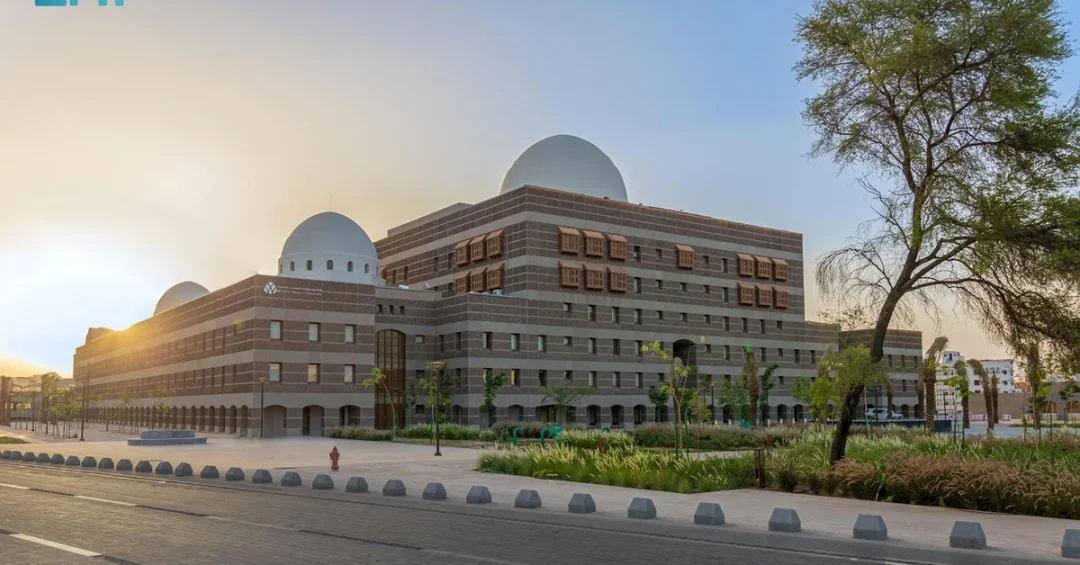
The Madinah Principality and its affiliated municipalities have finalized a comprehensive seasonal plan to deliver exceptional municipal services to pilgrims during the Hajj season 1445H, as announced by the Saudi Press Agency. The plan focuses on public hygiene, environmental health, pest control, and the monitoring of food and commercial establishments around the Prophet’s Mosque and historic mosques, ensuring a safe and spiritually fulfilling experience for millions of visitors.
Context and Background
Madinah, the second holiest city in Islam, welcomes millions of pilgrims annually, particularly during the Hajj season. The Saudi government, under the leadership of the Custodian of the Two Holy Mosques, King Salman bin Abdulaziz Al Saud, and Crown Prince Mohammed bin Salman, has consistently prioritized the comfort and well-being of pilgrims. This seasonal plan is part of a broader strategy to enhance the pilgrimage experience, aligned with the goals of Saudi Vision 2030 to improve the quality of life and promote religious tourism.
Key Details
The Madinah Principality has intensified its efforts in public hygiene, environmental health, and pest control, with a focus on the areas surrounding the Prophet’s Mosque and other historic mosques. The plan includes rigorous monitoring of food and commercial establishments to ensure compliance with health standards. Additionally, service centers, roads, tunnels, bridges, and highways are being inspected to guarantee smooth movement and safety for pilgrims.
The principality has deployed over 8,000 male and female employees, technicians, and engineers, supported by an integrated fleet of more than 800 machines and equipment. These teams are working tirelessly in the central zone and Islamic historic sites to maintain cleanliness and provide essential services.
Implications and Impact
This initiative underscores Saudi Arabia’s commitment to serving pilgrims and enhancing their spiritual journey. By ensuring high standards of hygiene and safety, the plan not only protects public health but also contributes to the overall satisfaction of visitors. It reflects the Kingdom’s dedication to leveraging its resources and expertise to manage large-scale religious events effectively. Furthermore, the plan’s success will reinforce Saudi Arabia’s reputation as a capable and compassionate host, which is crucial for its international standing and soft power.
Vision 2030 Alignment
The seasonal plan for Hajj 1445H is a clear manifestation of Saudi Vision 2030, which aims to elevate the quality of services provided to pilgrims and enhance the capacity of the Kingdom to host increasing numbers of visitors. By investing in infrastructure, technology, and human resources, Saudi Arabia is not only fulfilling its religious duties but also driving economic diversification and creating opportunities in the tourism and services sectors. This aligns with the vision’s objectives of fostering a vibrant society and a thriving economy.
20 Questions
Q1. What is the main objective of the seasonal plan announced by the Madinah Principality?
A1. The plan aims to provide excellent municipal services to pilgrims during Hajj 1445H, focusing on hygiene, environmental health, pest control, and monitoring of establishments around the Prophet’s Mosque and historic mosques.
Q2. How many employees are involved in implementing the plan?
A2. More than 8,000 male and female employees, technicians, and engineers are involved in the plan, ensuring comprehensive coverage of services.
Q3. What types of equipment are being used in the plan?
A3. The plan utilizes an integrated fleet of over 800 machines and equipment, including cleaning vehicles, monitoring tools, and maintenance machinery.
Q4. Which areas are the focus of the plan?
A4. The plan focuses on the central zone, Islamic historic sites, the Prophet’s Mosque, and surrounding areas, including roads, tunnels, bridges, and highways.
Q5. Why is the plan important for pilgrims?
A5. It ensures a clean, safe, and healthy environment for pilgrims, allowing them to perform their religious rituals with comfort and peace of mind.
Q6. How does the plan align with Saudi Vision 2030?
A6. The plan supports Vision 2030 by improving the quality of services for pilgrims, enhancing infrastructure, and promoting sustainable development in the tourism sector.
Q7. What role does the Madinah Principality play in the plan?
A7. The Madinah Principality oversees the plan’s implementation, coordinating with linked municipalities to ensure efficient service delivery.
Q8. What are the key components of the plan?
A8. Key components include public hygiene, environmental health, pest control, food safety monitoring, and infrastructure maintenance.
Q9. How does the plan monitor food establishments?
A9. The plan involves regular inspections of food and commercial establishments to ensure compliance with health and safety standards.
Q10. What is the significance of the Prophet’s Mosque in the plan?
A10. The Prophet’s Mosque is the focal point for pilgrims, so ensuring its surrounding area is clean and well-maintained is of utmost importance.
Q11. How many historic mosques are covered by the plan?
A11. The plan covers all historic mosques in Madinah, ensuring they are clean and safe for pilgrims to visit.
Q12. What measures are taken for pest control?
A12. The plan includes intensified pest control services using safe and environmentally friendly methods to protect public health.
Q13. How does the plan address road and tunnel maintenance?
A13. The plan monitors and maintains roads, tunnels, bridges, and highways to ensure smooth traffic flow and safety for pilgrims.
Q14. What is the expected outcome of the plan?
A14. The plan aims to provide a seamless and spiritually enriching experience for pilgrims, reflecting Saudi Arabia’s commitment to excellence in service.
Q15. Who announced the plan?
A15. The plan was announced by the Madinah Principality and reported by the Saudi Press Agency.
Q16. How does the plan contribute to public health?
A16. By maintaining high hygiene standards and monitoring food safety, the plan helps prevent disease outbreaks and ensures the well-being of pilgrims.
Q17. What is the duration of the plan?
A17. The plan is implemented during the Hajj season 1445H, covering the entire period of pilgrimage activities.
Q18. How does the plan enhance the pilgrimage experience?
A18. The plan ensures cleanliness, safety, and efficient services, allowing pilgrims to focus on their spiritual journey without distractions.
Q19. What technology is used in the plan?
A19. The plan leverages modern equipment and monitoring tools to enhance efficiency and service quality.
Q20. How does the plan reflect Saudi Arabia’s leadership?
A20. It demonstrates the Kingdom’s proactive approach and dedication to serving pilgrims, upholding its role as the guardian of Islam’s holiest sites.
Reader Feedback
We value your thoughts. Please share your feedback on this article.
Your feedback helps us improve our coverage.