


Government agencies and authorities in Makkah have begun implementing comprehensive programs and plans to provide the best possible services for visitors and Umrah performers during the holy month of Ramadan, a period that witnesses a high influx of worshipers from within and outside the Kingdom of Saudi Arabia. The coordinated effort, announced via the Saudi Press Agency (SPA), involves the General Authority for the Care of the Affairs of the Grand Mosque and the Prophet’s Mosque, the Holy Makkah Municipality, and the Makkah Region branch of the Ministry of Islamic Affairs, Dawah, and Guidance, each activating detailed operational plans to ensure a seamless and spiritually fulfilling experience for millions of pilgrims.
Is there any undertaking more central to the Kingdom’s identity than the care of the Two Holy Mosques and their guests? The answer lies in the scale and precision of this year’s Ramadan preparations, which combine modern technology, trained personnel, and rigorous service standards. From the trial launch of the “Tahallul from Nusuk” service to the introduction of mobile hair-cutting carts and a doubling of electric golf carts, the authorities are deploying innovative solutions to manage crowds, uphold hygiene, and preserve the sanctity of worship. These measures reflect a broader national commitment, championed by the Custodian of the Two Holy Mosques, King Salman bin Abdulaziz Al Saud, and His Royal Highness Crown Prince Mohammed bin Salman, to serve pilgrims with excellence and foresight.
Context and Background
Why does Ramadan consistently draw the world’s attention to Makkah? The holy month is one of the most significant periods for Umrah, with worshipers traveling from every corner of the globe to perform rituals at the Grand Mosque. In recent years, the Kingdom has recorded steadily rising numbers of pilgrims, driven by expanded visa access, improved transportation links, and the visionary leadership of Vision 2030. The General Authority for the Care of the Affairs of the Grand Mosque and the Prophet’s Mosque, established to oversee the daily operations and long-term development of Islam’s holiest sites, has accordingly refined its Ramadan season plan to meet the unique demands of this peak period.
The authority’s preparations are not limited to crowd control. They encompass a holistic approach that includes hygiene, accessibility, guidance, and digital integration. The Holy Makkah Municipality complements these efforts by managing public sanitation, waste disposal, pest control, and the inspection of commercial establishments, ensuring that the city’s infrastructure and environment remain pristine. Meanwhile, the Makkah Region branch of the Ministry of Islamic Affairs, Dawah, and Guidance has intensified inspections of mosques across the region, cleaning, furnishing, and perfuming prayer areas while maintaining equipment and supplies. Together, these entities form a synchronized network dedicated to the comfort and safety of every visitor.
This year’s Ramadan plans also build on lessons learned from previous seasons. The authority has adopted electronic registration for iftar meals, introduced location-based guidance signs, and deployed reporting teams around the clock to address inquiries and maintenance requests. Such measures demonstrate a commitment to continuous improvement and responsiveness, hallmarks of Saudi Arabia’s approach to hosting the largest annual gatherings of Muslim worshippers.
Key Details of the Ramadan Operational Plans
What specific services are being rolled out to enhance the pilgrim experience? The General Authority for the Care of the Affairs of the Grand Mosque and the Prophet’s Mosque has activated several notable projects. Among the most prominent is the trial launch of the “Tahallul from Nusuk” service at five designated locations within the Grand Mosque. This service allows pilgrims to complete the ritual of shaving or trimming hair in a safe and hygienic environment, a significant convenience during peak times.
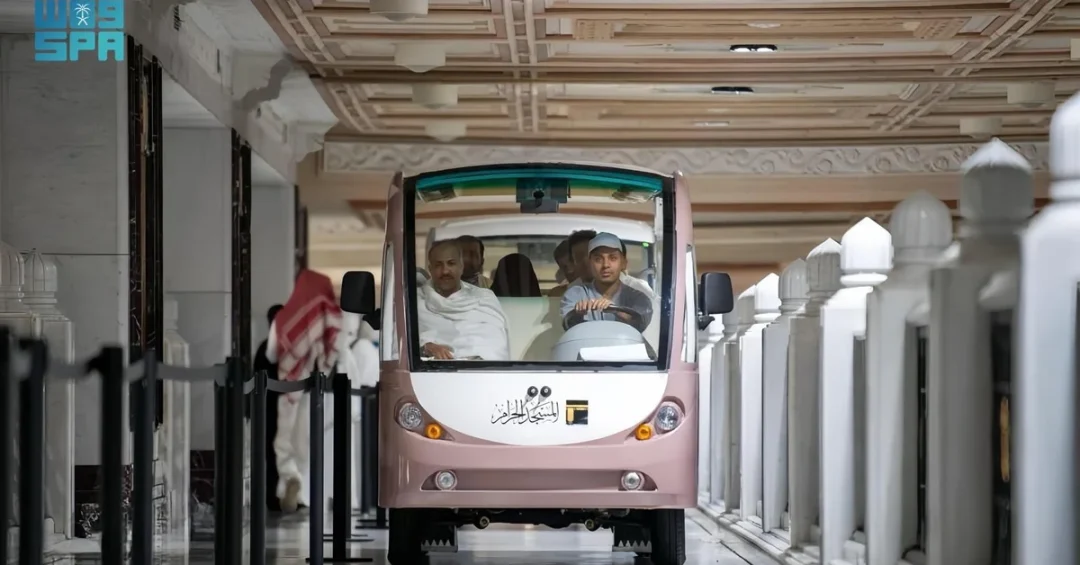
For the first time, the authority is offering a mobile hair-cutting service through specially designed carts that can move as crowds increase. This innovation ensures that pilgrims can fulfill their rituals without unnecessary delays. Additionally, luggage storage services have been enhanced with designated shelves and an electronic tracking and monitoring system, with six luggage drop-off points at the mosque’s main entrances. The number of electric golf carts has been doubled to 400, distributed across 11 locations inside the Grand Mosque, providing assistance to the elderly and those with mobility challenges.
The authority has also improved the iftar meal distribution system through electronic registration, introduced location-based guidance signs to help visitors access facilities and services, and intensified the presence of reporting teams around the clock. In coordination with relevant authorities, plans for crowd management and guidance within the Two Holy Mosques and their courtyards have been developed. Specialized personnel have been deployed for spatial guidance, and clear pathways have been designated in corridors to ensure smooth movement. Prayer areas in both mosques have been prepared to accommodate the largest number of worshipers while ensuring their comfort. The “Walking Guides” initiative, which provides trained guidance teams to assist visitors in multiple languages, further enriches the support available.
Municipal and Religious Services in Makkah
How does the Holy Makkah Municipality contribute to the Ramadan experience? The municipality has begun implementing its plans across all municipal services, including public sanitation and waste disposal, pest control, and monitoring of commercial establishments related to public health. Its services also include inspecting food products to ensure their suitability for human consumption, maintaining and cleaning municipal facilities, preparing infrastructure, and overseeing the operation and upkeep of public restrooms, parks, green spaces, and rainwater and flood drainage networks.
These efforts are essential for maintaining a clean, safe, and welcoming environment for the millions of pilgrims and residents in Makkah during Ramadan. The municipality’s inspections of food outlets are particularly crucial, as they safeguard public health during a time when communal iftar meals and food distribution are widespread. By ensuring that all commercial establishments adhere to stringent health standards, the municipality helps prevent any potential health risks and upholds the Kingdom’s reputation for excellence in hospitality.
At the same time, the Makkah Region branch of the Ministry of Islamic Affairs, Dawah, and Guidance has begun implementing its plans and welcoming worshipers in mosques across the region’s governorates. This includes cleaning, furnishing, and perfuming mosques, grand mosques, and women’s prayer areas, maintaining equipment, and ensuring the availability of necessary prayer supplies. Inspection tours have been intensified to verify mosques’ readiness to receive worshipers, reflecting a deep respect for the sanctity of these spaces and the comfort of those who frequent them.
International and Regional Impact
Why do these preparations resonate far beyond the Kingdom’s borders? Makkah is the spiritual heart of the Islamic world, and the services provided during Ramadan are observed by governments, religious authorities, and Muslim communities globally. The efficient management of millions of pilgrims is a testament to Saudi Arabia’s logistical capabilities and its unwavering commitment to the safety and well-being of guests. The Kingdom’s efforts enhance its standing as a responsible global leader and a trusted custodian of Islam’s holiest sites.
Moreover, the Ramadan plans have a ripple effect on regional economies and international relations. Improved services attract more pilgrims, boosting local businesses, transportation, and hospitality sectors. The seamless experience also strengthens people-to-people ties between Saudi Arabia and Muslim-majority countries, fostering goodwill and cultural exchange. As pilgrims return home, they carry with them impressions of a modern, organized, and compassionate Saudi Arabia, which in turn supports the Kingdom’s broader diplomatic and economic objectives.
In a world often marked by division, the sight of millions of Muslims peacefully performing their rituals in Makkah serves as a powerful symbol of unity. Saudi Arabia’s meticulous planning ensures that this symbol remains untarnished, reinforcing the message that the Kingdom is a beacon of stability and spirituality.
Economic and Strategic Significance
What economic benefits flow from these comprehensive preparations? The influx of pilgrims during Ramadan generates significant economic activity in Makkah and beyond. Hotels, restaurants, retail shops, and transportation services all experience heightened demand, creating jobs and stimulating local commerce. The expansion of services such as luggage storage, electric golf carts, and mobile hair-cutting carts also reflects a growing market for innovative solutions that cater to the needs of pilgrims, opening opportunities for Saudi entrepreneurs and businesses.
Strategically, the successful execution of Ramadan plans reinforces Saudi Arabia’s position as a global hub for religious tourism. Under Vision 2030, the Kingdom aims to increase the number of Umrah performers and Hajj pilgrims to 30 million annually. Each improvement in infrastructure and service delivery brings that goal closer, demonstrating the government’s ability to manage large-scale events with precision. The integration of electronic systems, such as the Nusuk platform for Tahallul and iftar registration, showcases the digital transformation that is central to Vision 2030’s modernization agenda.
Furthermore, the emphasis on hygiene and public health aligns with global best practices and enhances the Kingdom’s preparedness for future challenges. By investing in these areas, Saudi Arabia not only serves current pilgrims but also builds a resilient framework for hosting even larger numbers in the years to come.
Vision 2030 Alignment
How do these Ramadan initiatives embody the goals of Vision 2030? Vision 2030 seeks to transform Saudi Arabia into a diversified, innovative, and globally engaged nation, and the care of the Two Holy Mosques is a cornerstone of that vision. The General Authority for the Care of the Affairs of the Grand Mosque and the Prophet’s Mosque, the Holy Makkah Municipality, and the Ministry of Islamic Affairs, Dawah, and Guidance are all working in harmony to deliver services that reflect the highest standards of excellence, hospitality, and technological integration.
The use of electronic registration, mobile applications, and real-time tracking systems demonstrates the digital empowerment that Vision 2030 promotes. The focus on cleanliness, crowd management, and multilingual guidance underscores a commitment to quality of life and visitor satisfaction. Moreover, the economic opportunities generated by Ramadan preparations contribute to the diversification of the economy and the creation of jobs for Saudi citizens.
As the Kingdom continues to invest in its holy sites and the services surrounding them, it sends a clear message: Saudi Arabia is dedicated to serving Islam and Muslims, and it is doing so with a forward-looking approach that blends tradition with modernity. The Ramadan plans for 2025 are not just about managing crowds; they are about honoring a sacred trust and showcasing the best of Saudi Arabia to the world.
20 Questions
Q1. What is the main objective of the Ramadan plans implemented by Makkah authorities?
A1. The plans aim to provide the best services for visitors and Umrah performers during Ramadan, ensuring their comfort, safety, and spiritual fulfillment amid high influxes of worshipers from within and outside the Kingdom.
Q2. Which Saudi authority is responsible for the care of the Grand Mosque and the Prophet’s Mosque?
A2. The General Authority for the Care of the Affairs of the Grand Mosque and the Prophet’s Mosque oversees daily operations and development at both holy sites, including the implementation of Ramadan service plans.
Q3. What is the “Tahallul from Nusuk” service and where is it available?
A3. It is a trial service allowing pilgrims to complete the ritual of shaving or trimming hair at five designated locations within the Grand Mosque, equipped with safe and hygienic standards.
Q4. How has the luggage storage system been improved for pilgrims?
A4. The authority enhanced luggage storage with designated shelves and an electronic tracking and monitoring system, providing six drop-off points at the mosque’s main entrances for convenience and security.
Q5. What is the significance of doubling the number of electric golf carts?
A5. The increase to 400 carts across 11 locations improves mobility for elderly and disabled pilgrims, ensuring they can navigate the Grand Mosque comfortably during peak times.
Q6. How does electronic registration help with iftar meal distribution?
A6. Electronic registration streamlines the process, reducing crowding and ensuring that iftar meals are distributed efficiently and hygienically to those observing the fast.
Q7. What role does the Holy Makkah Municipality play during Ramadan?
A7. The municipality manages public sanitation, waste disposal, pest control, food safety inspections, and maintenance of infrastructure, parks, and drainage networks to keep the city clean and safe.
Q8. Why is pest control important during Ramadan in Makkah?
A8. Pest control prevents the spread of diseases and maintains a healthy environment for the millions of pilgrims and residents, aligning with public health standards.
Q9. What does the Ministry of Islamic Affairs, Dawah, and Guidance do for mosques in the Makkah region?
A9. It cleans, furnishes, and perfumes mosques, maintains equipment, ensures prayer supplies, and conducts inspections to verify readiness for worshipers.
Q10. How are women’s prayer areas specifically catered to?
A10. Women’s prayer areas receive the same attention as men’s, including cleaning, furnishing, perfuming, and ensuring necessary supplies, reflecting inclusive service for all worshipers.
Q11. What is the “Walking Guides” initiative?
A11. It provides trained guidance teams who assist visitors and Umrah performers in navigating the mosques, offering help in multiple languages and responding to inquiries.
Q12. How does the authority manage crowds within the Two Holy Mosques?
A12. It develops coordinated plans with relevant authorities, installs location-based signs, deploys specialized personnel for spatial guidance, and designates clear pathways in corridors.
Q13. What are location-based guidance signs?
A13. These are signs placed throughout the mosques to help visitors easily find facilities and services, improving navigation and reducing confusion during busy periods.
Q14. Why is the mobile hair-cutting service considered innovative?
A14. It is the first time such a service is offered, using specially designed carts that move as crowds increase, allowing pilgrims to complete rituals conveniently without delays.
Q15. How do these Ramadan plans reflect Vision 2030?
A15. They demonstrate digital transformation, service excellence, and economic diversification, aligning with Vision 2030’s goals of enhancing pilgrimage experiences and modernizing infrastructure.
Q16. What economic impact do Ramadan preparations have on Makkah?
A16. They stimulate local businesses, create jobs in hospitality and retail, and support the goal of increasing religious tourism to 30 million pilgrims annually under Vision 2030.
Q17. How does the municipality ensure food safety during Ramadan?
A17. It inspects food products and commercial establishments to ensure they meet health standards, protecting pilgrims from potential foodborne illnesses.
Q18. What is the significance of round-the-clock reporting teams?
A18. They receive and address inquiries and maintenance requests at any hour, ensuring prompt responses to any issues that may arise during the busy Ramadan season.
Q19. How do these services benefit international pilgrims?
A19. They provide a seamless, comfortable, and spiritually enriching experience, enhancing Saudi Arabia’s reputation as a welcoming and efficient host for Muslims worldwide.
Q20. What message does Saudi Arabia send through these comprehensive preparations?
A20. It demonstrates the Kingdom’s unwavering commitment to serving Islam and Muslims, showcasing its leadership, organizational capabilities, and dedication to the well-being of all pilgrims.
Reader Feedback
We value your thoughts. Please share your feedback on this article.
Your feedback helps us improve our coverage.
Related articles
 Saudi Ministry, FAO Organize Cyprus Livestock Genetics Visit
 GDNC Arrests Suspect with 58,500 Amphetamine Pills in Taif
 I‘tikāf Registration at Two Holy Mosques Opens Wednesday
 Umrah Guests Tour King Fahd Quran Printing Complex
 KSrelief, WHO Sign $3.7M Deal for Sudanese Kidney Patients
 Saudi Arabia Weather Forecast for Sunday: NCM Issues Advisory