


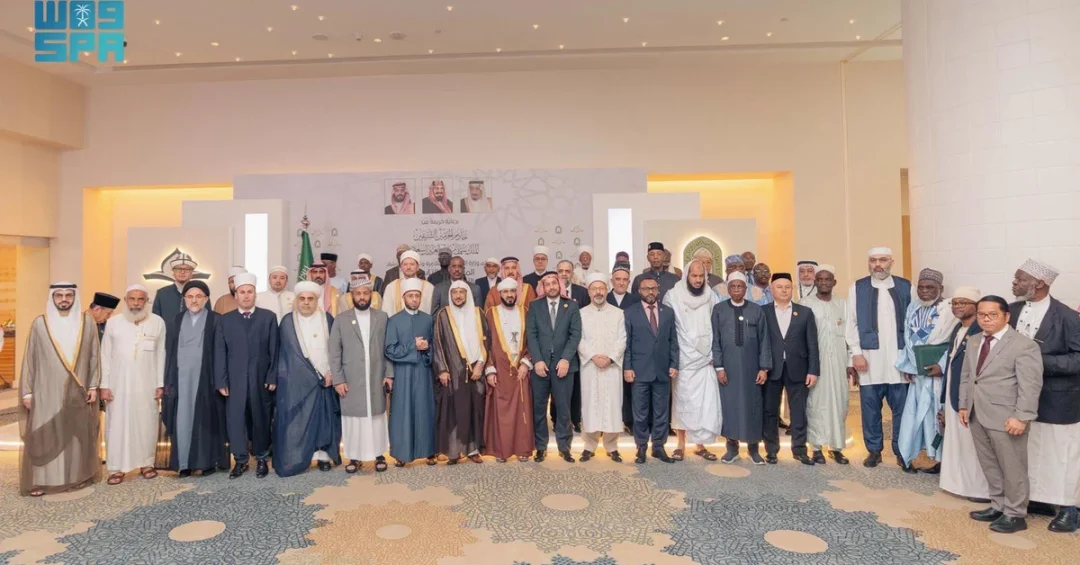
The 9th Conference of Ministers of Awqaf (Endowments) and Islamic Affairs in Islamic Countries continued its second day in Makkah, with sessions focused on the economic impact of endowment funds, the role of social media in Islamic outreach, and strategies to counter atheism. Chaired by leading officials from Oman, Syria, and Egypt, the conference underscored Saudi Arabia’s commitment to advancing endowment work as a driver of sustainable development and Islamic solidarity. The event, held under the patronage of the Kingdom, highlighted the collective efforts of Islamic nations to harness endowments for social and economic progress.
Context and Background
The conference, now in its ninth edition, brings together ministers and representatives from Islamic countries to discuss pressing issues related to endowments and religious affairs. Endowments, or awqaf, are charitable trusts that fund religious, educational, and social initiatives. The sessions on the second day delved into how these funds can contribute to national economies and address modern challenges such as the spread of atheism and the ethical use of social media.
In the seventh session, chaired by Omani Minister of Endowments and Religious Affairs Dr. Mohammed Bin Said Al Mamari, the focus was on the developmental contributions of endowment funds. Dr. Al Mamari emphasized the importance of Gross Domestic Product (GDP) as a vital indicator of economic health, noting that promoting GDP is essential for achieving national aspirations, sustainable development, and comprehensive stability. He also discussed the role of endowments in supporting Al-Aqsa Mosque, highlighting the historical and religious significance of such contributions.
Key Details
Abdulrahman Mohammed Alogayyel, Deputy Governor of the General Authority of Awqaf in Saudi Arabia, presented the Saudi experience in caring for endowments. He detailed the establishment of the authority and its effective impact on serving and advancing endowment work in various fields. The authority has streamlined endowment management, ensuring transparency and maximizing social benefit.
The eighth session, chaired by Syrian Minister of Awqaf Dr. Mohammad Abdul-Sattar al-Sayyed, featured Badaruddin Othman, Minister of Religious Affairs of Brunei Darussalam, who spoke about the dual nature of social media. He stressed the importance of investing in its rapid spread while being aware of its dangers, advocating for supervision and monitoring to protect against deviant thoughts that could harm societies. The ninth session, chaired by Egypt’s Minister of Endowments Dr. Osama Al-Azhari, addressed the dangers of atheism. Arun Boonchom, President of Bangkok’s Islamic Affairs Committee, highlighted the serious effects of atheism on society and the nation, calling for educational and advocacy institutions to play a pivotal role in addressing this phenomenon.
Implications and Impact
The discussions at the conference have significant implications for Islamic countries and the global Muslim community. By focusing on the economic potential of endowments, the conference aims to unlock new funding sources for social welfare, education, and infrastructure. The emphasis on social media underscores the need for responsible digital engagement to spread moderate Islamic values and counter extremist narratives. The collective stance against atheism reflects a unified approach to preserving faith and social cohesion.
Saudi Arabia’s leadership in hosting and facilitating the conference reinforces its role as a global hub for Islamic dialogue and cooperation. The Kingdom’s own experience with the General Authority of Awqaf serves as a model for other nations seeking to modernize endowment management. The outcomes of this conference are expected to inform policies and initiatives across the Islamic world, fostering economic growth and social stability.
Vision 2030 Alignment
This conference aligns closely with Saudi Vision 2030, which seeks to diversify the economy and promote sustainable development. Endowments are a key component of the Kingdom’s strategy to enhance social welfare and economic resilience. By leveraging endowments for developmental projects, Saudi Arabia aims to create lasting social impact while reducing reliance on oil revenues. The conference also supports Vision 2030’s goals of fostering a moderate and tolerant society, using digital platforms responsibly to spread positive messages. As the conference concludes, the collaborative efforts of Islamic nations will contribute to a more prosperous and harmonious future, with Saudi Arabia at the forefront of these efforts.
20 Questions
Q1. What was the main focus of the 9th Conference of Ministers of Awqaf and Islamic Affairs?
A1. The conference focused on the economic impact of endowment funds, the role of social media in Islamic outreach, and strategies to counter atheism, aiming to enhance cooperation among Islamic countries.
Q2. Who chaired the seventh session of the conference?
A2. The seventh session was chaired by Dr. Mohammed Bin Said Al Mamari, the Omani Minister of Endowments and Religious Affairs, who highlighted the developmental contributions of endowment funds.
Q3. What did Dr. Al Mamari emphasize regarding GDP?
A3. Dr. Al Mamari stressed that GDP is a vital indicator of economic health and that promoting it is necessary to achieve national aspirations, sustainable development, prosperity, and stability.
Q4. How did Abdulrahman Mohammed Alogayyel contribute to the conference?
A4. Abdulrahman Mohammed Alogayyel, Deputy Governor of the General Authority of Awqaf in Saudi Arabia, presented the Saudi experience in caring for endowments and the authority’s effective impact on advancing endowment work.
Q5. What was discussed in the eighth session?
A5. The eighth session, chaired by Dr. Mohammad Abdul-Sattar al-Sayyed, focused on the importance and dangers of social media, with Badaruddin Othman advocating for its supervision and monitoring.
Q6. Who is Badaruddin Othman and what did he say?
A6. Badaruddin Othman is the Minister of Religious Affairs of Brunei Darussalam. He emphasized investing in social media’s rapid spread while being aware of its dangers and protecting against deviant thoughts.
Q7. What was the theme of the ninth session?
A7. The ninth session, chaired by Egypt’s Dr. Osama Al-Azhari, addressed the dangers of atheism and ways to handle it, with Arun Boonchom stressing the need for educational and advocacy institutions to address it.
Q8. How does the conference aim to benefit Islamic countries economically?
A8. By focusing on the economic potential of endowments, the conference aims to unlock new funding sources for social welfare, education, and infrastructure, contributing to sustainable development and stability.
Q9. What role does Saudi Arabia play in the conference?
A9. Saudi Arabia hosts and facilitates the conference, reinforcing its role as a global hub for Islamic dialogue and cooperation, and shares its experience with the General Authority of Awqaf.
Q10. What is the significance of endowments in Islamic societies?
A10. Endowments are charitable trusts that fund religious, educational, and social initiatives, providing sustainable support for community development and welfare across Islamic societies.
Q11. How can social media be used positively according to the conference?
A11. Social media can be used to spread moderate Islamic values and counter extremist narratives if supervised and monitored to protect against deviant thoughts that could harm societies.
Q12. What are the dangers of atheism discussed at the conference?
A12. Atheism has serious effects on society and the nation, including moral decay and social instability, requiring educational and advocacy efforts to address it effectively.
Q13. How does Saudi Vision 2030 align with the conference’s goals?
A13. Vision 2030 seeks economic diversification and sustainable development, and endowments are key to enhancing social welfare, reducing oil reliance, and fostering a moderate society.
Q14. What is the General Authority of Awqaf in Saudi Arabia?
A14. It is a Saudi body established to manage and develop endowments, ensuring transparency and maximizing social benefit, as presented by Abdulrahman Mohammed Alogayyel at the conference.
Q15. What did the conference say about investing in social media?
A15. The conference emphasized investing in social media’s rapid spread while being aware of its dangers, advocating for supervision to protect against deviant thoughts that could harm societies.
Q16. How do endowments contribute to GDP?
A16. Endowments fund projects that stimulate economic activity, create jobs, and support social services, thereby contributing to GDP growth and national prosperity.
Q17. What is the role of educational institutions in addressing atheism?
A17. Educational and advocacy institutions play a crucial role in addressing atheism by promoting religious values, critical thinking, and providing guidance to counter its effects.
Q18. How many sessions were mentioned in the article?
A18. Three sessions were mentioned: the seventh, eighth, and ninth sessions, each focusing on different aspects of endowments, social media, and atheism.
Q19. What is the expected outcome of the conference?
A19. The conference is expected to inform policies and initiatives across the Islamic world, fostering economic growth, social stability, and enhanced cooperation among Islamic countries.
Q20. How does the conference reflect Saudi Arabia’s global role?
A20. By hosting the conference, Saudi Arabia demonstrates its leadership in fostering Islamic unity and dialogue, and its commitment to Vision 2030’s goals of moderation and sustainable development.
Reader Feedback
We value your thoughts. Please share your feedback on this article.
Your feedback helps us improve our coverage.