


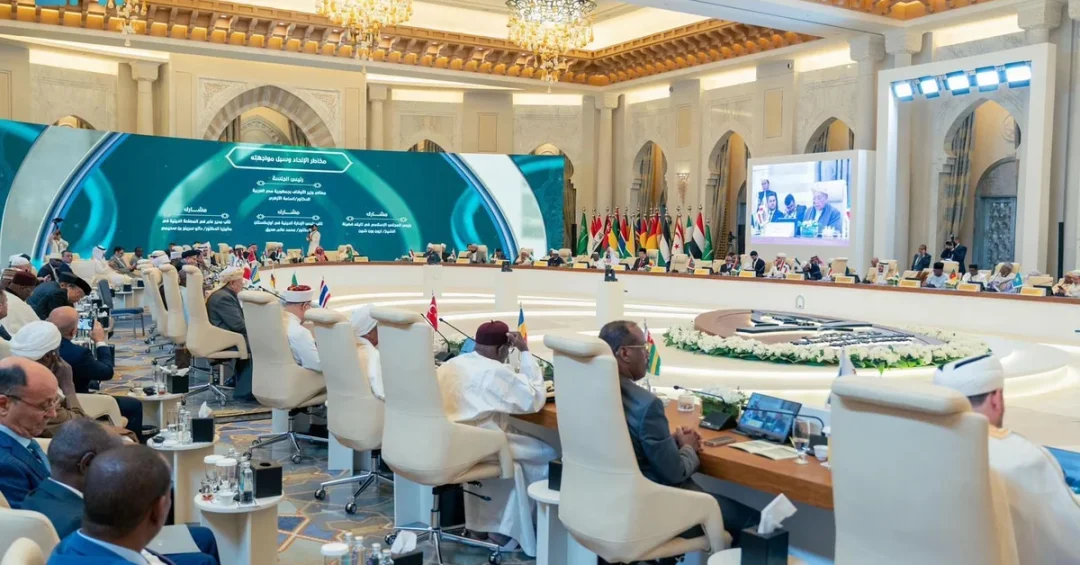
The Ninth Conference of Ministers of Endowments and Islamic Affairs in Islamic Countries concluded in Makkah on Monday, issuing eight key recommendations focused on promoting moderation, combating extremism, and enhancing cooperation among Muslim nations. Hosted under the theme “The Role of Endowments and Islamic Affairs Ministries in Promoting and Consolidating the Principles and Values of Moderation,” the conference brought together ministers, muftis, and heads of Islamic councils from 62 countries, reflecting a broad international commitment to advancing balanced religious discourse and unity.
Context and Background
Held in the holy city of Makkah, the conference underscored Saudi Arabia’s longstanding role as a leader in serving Islam and Muslims. The Kingdom, under the guidance of the Custodian of the Two Holy Mosques King Salman bin Abdulaziz Al Saud and His Royal Highness the Crown Prince Mohammed bin Salman, hosted the event to foster dialogue on critical issues facing the Islamic world. The gathering aimed to strengthen the role of endowments and Islamic affairs ministries in promoting moderation, a key priority in an era of global challenges such as extremism and social fragmentation.
Key Recommendations and Outcomes
The conference’s final statement highlighted eight recommendations designed to solidify a moderate and tolerant approach within Islamic societies. These included correcting religious discourse misinterpretations, combating extremism and radicalism, and addressing moral decay and waves of atheism. The recommendations emphasized the responsibility of ministries of endowments and Islamic affairs, fatwa bodies, and religious institutions to train imams and preachers, regulate fatwas to align with Sharia texts, and enhance coordination among member states. Additionally, participants called for the development of quality programs to promote tolerance and coexistence, the use of media to disseminate the message of tolerant Islam, and the exchange of experiences in endowment management to support sustainable development.
International and Regional Implications
The conference reaffirmed its unwavering stance on the Palestinian cause, calling for the protection of Palestinian people’s legitimate rights and an end to their suffering. It warned against division within the Muslim community, emphasizing the Quranic principle of unity. The gathering welcomed the United Nations General Assembly’s resolution on combating Islamophobia and the appointment of a UN special envoy for this issue, reflecting a coordinated global effort to counter hate speech and discrimination. By fostering dialogue among 62 nations, the conference strengthened diplomatic ties and set a framework for collaborative action on shared religious and social challenges.
Vision 2030 Alignment
The outcomes of the Ninth Conference align closely with Saudi Arabia’s Vision 2030, which prioritizes global engagement, cultural understanding, and sustainable development. The recommendations on endowment management and the use of modern technologies to enhance the message of mosques support economic diversification and social cohesion goals. By promoting moderation and unity, Saudi Arabia reinforces its role as a hub for Islamic diplomacy and a leader in fostering peaceful coexistence, contributing to a stable and prosperous future for the region and beyond.
20 Questions
Q1. What was the main outcome of the Ninth Conference of Ministers of Endowments and Islamic Affairs?
A1. The conference issued eight recommendations focused on promoting moderation, combating extremism, and enhancing cooperation among Islamic countries, emphasizing a balanced religious discourse.
Q2. How many countries participated in the conference?
A2. Ministers, muftis, and heads of Islamic councils from 62 countries attended the conference, representing a broad international participation.
Q3. Where was the conference held?
A3. The conference was held in Makkah, Saudi Arabia, a city of great significance in the Islamic world as the birthplace of Islam.
Q4. What was the theme of the conference?
A4. The theme was “The Role of Endowments and Islamic Affairs Ministries in Promoting and Consolidating the Principles and Values of Moderation.”
Q5. Who hosted the conference?
A5. The conference was hosted by the Kingdom of Saudi Arabia, under the leadership of the Custodian of the Two Holy Mosques King Salman and the Crown Prince.
Q6. What did the conference say about the Palestinian cause?
A6. The conference reaffirmed its support for Palestinian people’s legitimate rights, called for protecting them from assaults, and urged ending their suffering.
Q7. How did the conference address unity among Muslims?
A7. It stressed preserving cohesion and unity, warning against division and splintering that could lead to conflict and sectarianism.
Q8. What specific recommendations were made about imams and preachers?
A8. The conference recommended qualifying and training imams and preachers to promote moderation and correct misinterpretations of religious discourse.
Q9. How did the conference approach fatwas?
A9. It urged regulating fatwas to align with Sharia texts and cautioned against issuing fatwas from unofficial sources or non-accredited bodies.
Q10. What did the conference recommend regarding media?
A10. The conference called for using media and communication channels to disseminate the message of tolerant Islam and its civilizational values.
Q11. How did the conference address Islamophobia?
A11. It welcomed the UN General Assembly’s resolution on combating Islamophobia and the appointment of a UN special envoy for this issue.
Q12. What was the focus of the discussions on extremism?
A12. The conference discussed addressing challenges of extremism, fanaticism, and terrorism, and emphasized safeguarding minbars from hate speech.
Q13. How did the conference relate to sustainable development?
A13. It recommended cooperation among countries to activate the role of endowments in achieving sustainable development and raising awareness about their impact.
Q14. What was emphasized regarding family values?
A14. The conference emphasized protecting ethical and family values, rejecting attempts to impose social concepts that contradict natural human disposition.
Q15. Who chaired the conference?
A15. The conference was chaired by the Minister of Islamic Affairs, Dawah, and Guidance, Sheikh Dr. Abdullatif bin Abdulaziz Al Alsheikh.
Q16. How many sessions were held during the conference?
A16. The conference included ten sessions attended by ministers and scholars, covering topics like renewing religious discourse and facing modern challenges.
Q17. What was the role of modern technology in the recommendations?
A17. Participants recommended utilizing modern technologies to maximize the message of mosques and enhance the efficiency of mosque staff.
Q18. How did the conference address atheism?
A18. The discussions covered the dangers of atheism and strategies to address it as part of combating moral decay.
Q19. What was the response of participants to Saudi Arabia’s hosting?
A19. Participants expressed gratitude and appreciation to the Saudi government for its care and attention to Muslims and its efforts in serving Islam.
Q20. How does this conference support Saudi Vision 2030?
A20. By promoting moderation and global cooperation, the conference aligns with Vision 2030’s goals of cultural understanding, economic diversification, and international engagement.
Reader Feedback
We value your thoughts. Please share your feedback on this article.
Your feedback helps us improve our coverage.