


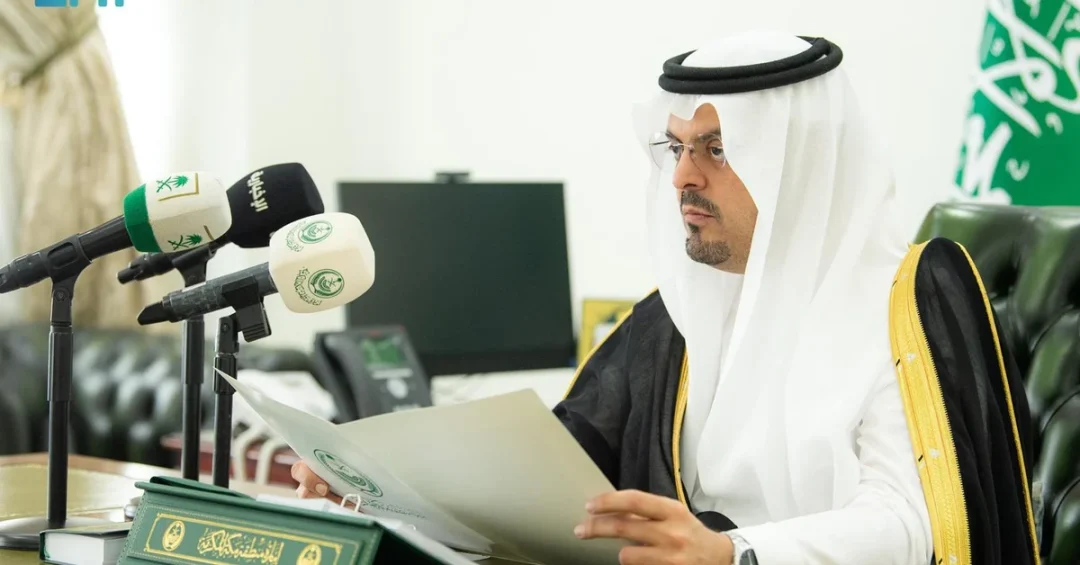
Prince Saud bin Mishaal bin Abdulaziz, Deputy Governor of the Makkah Region and Deputy Chairman of the Central Hajj Committee, has officially announced the successful completion of the Hajj season for the year 1445 AH. The announcement, made in Makkah, came after what Saudi officials described as a seamless and secure pilgrimage that allowed millions of worshippers to perform their religious duties with reassurance and safety. Prince Saud expressed profound gratitude to Allah Almighty and praised the exceptional services and care provided by the leadership of the Kingdom of Saudi Arabia under the guidance of the Custodian of the Two Holy Mosques, King Salman bin Abdulaziz Al Saud, and His Royal Highness Prince Mohammed bin Salman bin Abdulaziz Al Saud, Crown Prince and Prime Minister.
Context and Background
The Hajj, one of the five pillars of Islam, is an annual pilgrimage that draws millions of Muslims from around the world to the holy city of Makkah. Managing this massive gathering requires extensive planning, coordination, and resources, and Saudi Arabia has long been recognized for its commitment to ensuring the safety and comfort of pilgrims. This year’s Hajj, conducted under the theme of enhanced facilitation and security, was no exception, with government agencies, security forces, and healthcare providers working around the clock to serve the guests of God. The Central Hajj Committee, led by Prince Khaled Al-Faisal, Adviser to the Custodian of the Two Holy Mosques and Governor of Makkah Region, oversaw all operational aspects, while the Ministry of Interior, headed by Prince Abdulaziz bin Saud bin Naif, implemented comprehensive security plans that contributed significantly to the event’s success.
Key Details
In his remarks, Prince Saud bin Mishaal bin Abdulaziz extended his congratulations to King Salman and Crown Prince Mohammed bin Salman for their continuous supervision, guidance, and support, which he said were instrumental in enabling the pilgrims to perform their rituals in an atmosphere of peace and security. He stated, “I am pleased to announce the success of this year’s Hajj season, 1445 AH. Praise Allah Almighty for enabling us to carry out our highest mission, honoring us by serving the pilgrims, and facilitating the performance of the religious ritual in an atmosphere of reassurance and security.” He also expressed gratitude to Prince Abdulaziz bin Saud bin Naif, Minister of the Interior and Chairman of the Supreme Hajj Committee, for his support and approval of the security plans, and to Prince Khaled Al-Faisal for his oversight of all Hajj-related work. The success was attributed to the collective efforts of various organizations, including the Ministry of Hajj and Umrah, the General Authority for the Care of the Grand Mosque and the Prophet’s Mosque, and numerous other entities that cooperated seamlessly.
Implications and Impact
The successful completion of Hajj 1445 AH underscores Saudi Arabia’s logistical capabilities and its unwavering dedication to serving the millions of pilgrims who visit the Kingdom each year. This achievement not only enhances the country’s reputation as a responsible global leader in managing large-scale religious events but also reinforces its commitment to Vision 2030, which aims to elevate the pilgrimage experience through infrastructure improvements and digital enhancements. The smooth execution of this year’s Hajj, despite the challenges posed by the sheer volume of attendees, demonstrates the effectiveness of Saudi Arabia’s strategic planning and the integration of advanced technologies in crowd management, healthcare, and transportation. Furthermore, it strengthens international confidence in Saudi Arabia’s ability to host major events, contributing to the growth of the tourism sector and the broader economy.
Vision 2030 Alignment
This year’s Hajj success is a testament to the Kingdom’s Vision 2030 objectives, particularly in enhancing the quality of services provided to pilgrims and increasing the capacity to accommodate more worshippers in future years. Under the leadership of Crown Prince Mohammed bin Salman, Saudi Arabia continues to invest in massive infrastructure projects such as the expansion of the Grand Mosque and the development of modern transportation networks, including the Haramain High-Speed Railway. These initiatives not only facilitate the pilgrimage but also create economic opportunities and showcase Saudi Arabia’s ability to blend tradition with modernity. As the Kingdom looks ahead, the successful Hajj 1445 AH stands as a proud milestone in its journey toward a brighter, more prosperous future, further solidifying its role as the guardian of Islam’s holiest sites and a beacon of stability and progress in the region.
20 Questions
Q1. What did Prince Saud bin Mishaal bin Abdulaziz announce regarding Hajj 1445 AH?
A1. He announced the successful completion of the Hajj for the year 1445 AH, praising the exceptional services and care provided by Saudi leadership.
Q2. Who is Prince Saud bin Mishaal bin Abdulaziz?
A2. He is the Deputy Governor of the Makkah Region and Deputy Chairman of the Central Hajj Committee.
Q3. What was the theme of this year’s Hajj?
A3. The theme focused on enhanced facilitation, security, and reassurance for pilgrims performing their religious rituals.
Q4. Which Saudi leaders were congratulated by Prince Saud?
A4. King Salman bin Abdulaziz Al Saud and Crown Prince Mohammed bin Salman bin Abdulaziz Al Saud were congratulated for their continuous support.
Q5. Who is Prince Abdulaziz bin Saud bin Naif?
A5. He is the Minister of the Interior and Chairman of the Supreme Hajj Committee, overseeing security plans for Hajj.
Q6. Who is Prince Khaled Al-Faisal?
A6. He is the Adviser to the Custodian of the Two Holy Mosques, Governor of Makkah Region, and Chairman of the Central Hajj Committee.
Q7. What role did the Central Hajj Committee play?
A7. It oversaw all operational aspects of Hajj, ensuring smooth coordination among various government agencies.
Q8. How did the Ministry of Interior contribute to Hajj success?
A8. It implemented comprehensive security plans that significantly contributed to the event’s success and pilgrims’ safety.
Q9. What was the significance of the Hajj season 1445 AH?
A9. It demonstrated Saudi Arabia’s capability to manage millions of pilgrims securely, reinforcing its role as guardian of holy sites.
Q10. How many pilgrims performed Hajj this year?
A10. Official figures indicate that millions of pilgrims from around the world participated, though exact numbers were not specified in the announcement.
Q11. What agencies were involved in serving the pilgrims?
A11. Various entities including the Ministry of Hajj and Umrah, security forces, healthcare providers, and the General Authority for the Grand Mosque.
Q12. What did Prince Saud say about the mission of serving pilgrims?
A12. He described it as the highest mission and expressed gratitude for being honored to serve the guests of God.
Q13. How does this success align with Vision 2030?
A13. It aligns with Vision 2030 goals to enhance pilgrim experiences and infrastructure, boosting tourism and economic growth.
Q14. What infrastructure projects support Hajj?
A14. Projects include the expansion of the Grand Mosque and the Haramain High-Speed Railway, improving transportation and capacity.
Q15. What was the atmosphere during Hajj 1445 AH?
A15. The pilgrimage was performed in an atmosphere of reassurance and security, as emphasized by Prince Saud.
Q16. How did Saudi leadership supervise Hajj operations?
A16. The King and Crown Prince provided continuous supervision, guidance, and support to ensure pilgrims’ comfort and safety.
Q17. What was the role of technology in Hajj 1445 AH?
A17. Advanced technologies were used for crowd management, healthcare, and transportation to facilitate the pilgrimage.
Q18. What economic impact does a successful Hajj have?
A18. It boosts the tourism sector, generates revenue, and showcases Saudi Arabia’s ability to host major events.
Q19. How does Hajj success affect Saudi Arabia’s global standing?
A19. It enhances the Kingdom’s reputation as a responsible leader in managing large-scale religious events.
Q20. What future improvements are planned for Hajj?
A20. Continued investments in infrastructure and digital enhancements aim to increase capacity and improve services for future pilgrims.
Reader Feedback
We value your thoughts. Please share your feedback on this article.
Your feedback helps us improve our coverage.