


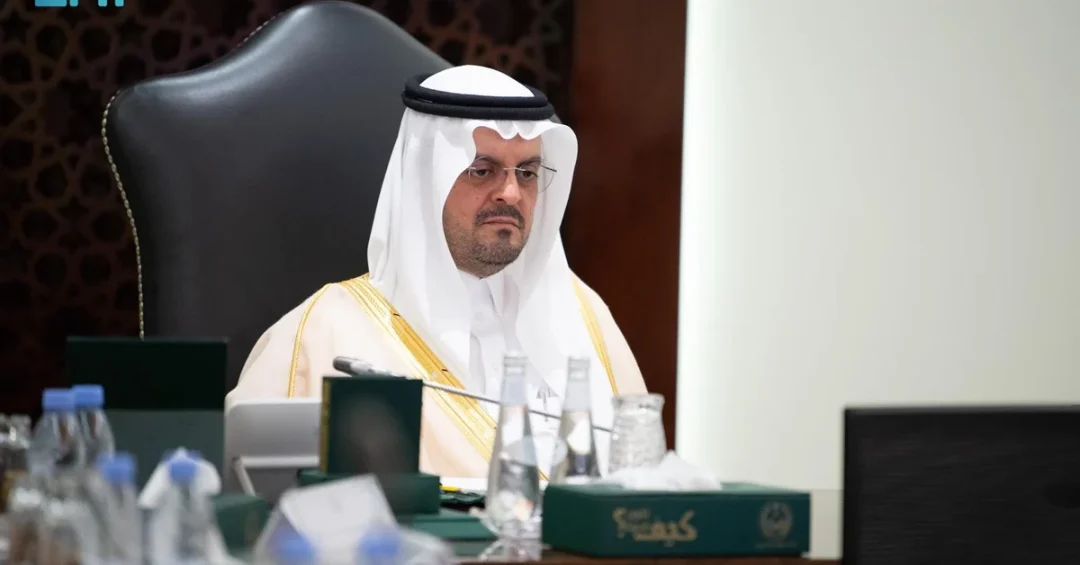
Prince Saud bin Mishal bin Abdulaziz, Deputy Governor of the Makkah Region, chaired a high-level meeting in Jeddah on June 6, 2024, to review the comprehensive readiness of the transport and logistics system for the Hajj season 1445 AH. The meeting, held alongside Minister of Transport and Logistic Services Eng. Saleh bin Nasser Al-Jasser and other senior officials, focused on ensuring the seamless movement of pilgrims from their arrival in Saudi Arabia until their safe return home. The system has allocated over 7,700 air flights and has already received around 6,000 pilgrims through Jeddah Islamic Port, underscoring the Kingdom’s commitment to a smooth and spiritually fulfilling Hajj experience.
Context and Background
The Hajj pilgrimage is one of the largest annual gatherings in the world, drawing millions of Muslims to the holy city of Makkah. Saudi Arabia has consistently invested in advanced infrastructure and logistics to accommodate this influx, ensuring safety, comfort, and efficiency. This year’s preparations are particularly significant under the visionary leadership of the Kingdom, which prioritizes the well-being of pilgrims as a sacred duty. The meeting in Jeddah reflects the ongoing collaboration between various government entities, including the Ministry of Transport and Logistic Services and the Makkah Region Emirate, to address every aspect of pilgrim transportation.
Under the guidance of the Custodian of the Two Holy Mosques, King Salman bin Abdulaziz Al Saud, and His Royal Highness Crown Prince Mohammed bin Salman bin Abdulaziz Al Saud, Saudi Arabia continues to enhance its Hajj services, integrating cutting-edge technology and infrastructure to meet the highest international standards. The transport system’s role among enabling entities is crucial, contributing directly to the success of the pilgrimage and showcasing the Kingdom’s logistical prowess.
Key Details
During the meeting, officials detailed the extensive readiness plan, which includes assigning 47,000 personnel to prepare six airports to receive pilgrims. Four national carriers will support the transport of pilgrims, with 150 aircraft and 5,000 air flights providing a one-million-seat capacity. Specialized halls have been prepared for beneficiaries of the Makkah Route Initiative and those arriving from seven countries, streamlining entry procedures and reducing wait times. The Ministry of Transport and Logistic Services also highlighted maintenance work on roads serving pilgrims and improvements to routes leading to Makkah from land ports.
New road projects, including a 50 km section of the Jeddah-Makkah direct road, have been completed to facilitate pilgrim movement and shorten travel time between King Abdulaziz International Airport and Makkah. Additionally, Saudi Post (SPL) is providing various services, such as commercial publishers, official mail, and the ‘Hajj without a bag’ parcel service, along with bonds for purchasing gifts and sacrifices. These initiatives reflect the Kingdom’s dedication to innovation and service excellence during the Hajj season.
Implications and Impact
The enhancements in the transport and logistics sector have significant implications for the millions of pilgrims undertaking the spiritual journey. By improving road infrastructure, expanding airport capacity, and introducing new services, Saudi Arabia aims to provide a seamless and comfortable experience, allowing pilgrims to focus on their religious duties. The Makkah Route Initiative, which facilitates immigration procedures in the pilgrims’ home countries, exemplifies the Kingdom’s commitment to international cooperation and humanitarian service.
These measures also contribute to the broader economic and social development goals of Saudi Arabia, as they enhance the Kingdom’s reputation as a global leader in hosting large-scale events. The smooth operation of Hajj logistics is a testament to the effective coordination between various government agencies and underscores the nation’s capability to manage complex logistical challenges. Furthermore, the improvements in transportation infrastructure benefit not only pilgrims but also residents and businesses in the region, fostering long-term economic growth.
Vision 2030 Alignment
The meticulous planning and execution of Hajj logistics are in perfect alignment with Saudi Vision 2030, which seeks to diversify the economy, improve public services, and enhance the quality of life for all. By investing in world-class infrastructure and innovative solutions, the Kingdom is not only fulfilling its sacred duty to pilgrims but also showcasing its ability to host global events with efficiency and excellence. As Saudi Arabia continues to modernize and expand its capabilities, the Hajj season serves as a shining example of the nation’s progress and its unwavering commitment to serving Islam and Muslims worldwide.
20 Questions
Q1. Who chaired the meeting to review the readiness of the transport and logistics sector for Hajj 1445 AH?
A1. Prince Saud bin Mishal bin Abdulaziz, Deputy Governor of the Makkah Region, chaired the meeting in Jeddah on June 6, 2024, alongside Minister of Transport and Logistic Services Eng. Saleh bin Nasser Al-Jasser and other officials.
Q2. What was the main purpose of the meeting?
A2. The meeting aimed to review the readiness of the transport and logistics system for the Hajj season 1445 AH, ensuring seamless movement of pilgrims from arrival to safe return.
Q3. How many air flights have been allocated for Hajj 1445 AH?
A3. Over 7,700 air flights have been allocated to transport pilgrims during the Hajj season 1445 AH, demonstrating the Kingdom’s extensive logistical preparations.
Q4. How many pilgrims have been received through Jeddah Islamic Port so far?
A4. Approximately 6,000 pilgrims have been received through Jeddah Islamic Port, with services in place to facilitate their movement until they safely return home.
Q5. How many personnel are assigned to prepare the airports for pilgrims?
A5. A total of 47,000 personnel have been assigned to prepare six airports to receive pilgrims, ensuring efficient processing and support.
Q6. Which national carriers are supporting the transport of pilgrims?
A6. Four national carriers are supporting the transport of pilgrims, providing a robust airlift capacity to accommodate the large number of arrivals.
Q7. What is the Makkah Route Initiative?
A7. The Makkah Route Initiative is a program that facilitates immigration procedures for pilgrims in their home countries, streamlining entry into Saudi Arabia and reducing wait times at airports.
Q8. How many aircraft and flights are dedicated to pilgrim transport?
A8. The system will provide 150 aircraft and 5,000 air flights with a one-million-seat capacity for pilgrim transport during Hajj 1445 AH.
Q9. What road improvements have been completed to facilitate pilgrim movement?
A9. A 50 km section of the Jeddah-Makkah direct road has been completed, shortening travel time between King Abdulaziz International Airport and Makkah.
Q10. What services is Saudi Post (SPL) providing to pilgrims?
A10. Saudi Post is offering commercial publishers, official mail, the ‘Hajj without a bag’ parcel service, and bonds for purchasing gifts and sacrifices.
Q11. What is the ‘Hajj without a bag’ service?
A11. The ‘Hajj without a bag’ service allows pilgrims to ship their luggage ahead, enabling them to travel light and focus on their spiritual journey.
Q12. How does the transport system contribute to serving pilgrims?
A12. The transport system is among the enabling entities, providing critical infrastructure and services that ensure pilgrims can move safely and efficiently between holy sites.
Q13. What maintenance work has been done on roads serving pilgrims?
A13. The Ministry of Transport and Logistic Services has conducted maintenance on roads serving pilgrims and improved routes leading to Makkah from land ports.
Q14. How many countries are covered by the Makkah Route Initiative?
A14. The Makkah Route Initiative covers pilgrims arriving from seven countries, with specialized halls prepared to expedite their entry.
Q15. What is the significance of the Jeddah-Makkah direct road project?
A15. The 50 km section of the Jeddah-Makkah direct road enhances connectivity, reduces travel time, and improves the overall pilgrim experience.
Q16. How does the Hajj transport plan align with Saudi Vision 2030?
A16. It aligns with Vision 2030 by showcasing modern infrastructure, enhancing public services, and demonstrating the Kingdom’s capability to host large-scale events efficiently.
Q17. What role does the Ministry of Transport and Logistic Services play in Hajj?
A17. The Ministry oversees the readiness of airports, roads, and transport services, ensuring seamless logistics for pilgrims throughout the Hajj season.
Q18. How many pilgrims are expected to perform Hajj this year?
A18. While exact numbers vary, the system is prepared to handle over one million pilgrims by air alone, reflecting the scale of the annual pilgrimage.
Q19. What new initiatives have been introduced for Hajj 1445 AH?
A19. New initiatives include improved road projects, expanded airport facilities, and enhanced postal services, all aimed at elevating the pilgrim experience.
Q20. How does Saudi Arabia ensure the safety and comfort of pilgrims?
A20. Through meticulous planning, investment in infrastructure, and coordination among government entities, Saudi Arabia prioritizes the safety and comfort of all pilgrims.
Reader Feedback
We value your thoughts. Please share your feedback on this article.
Your feedback helps us improve our coverage.