


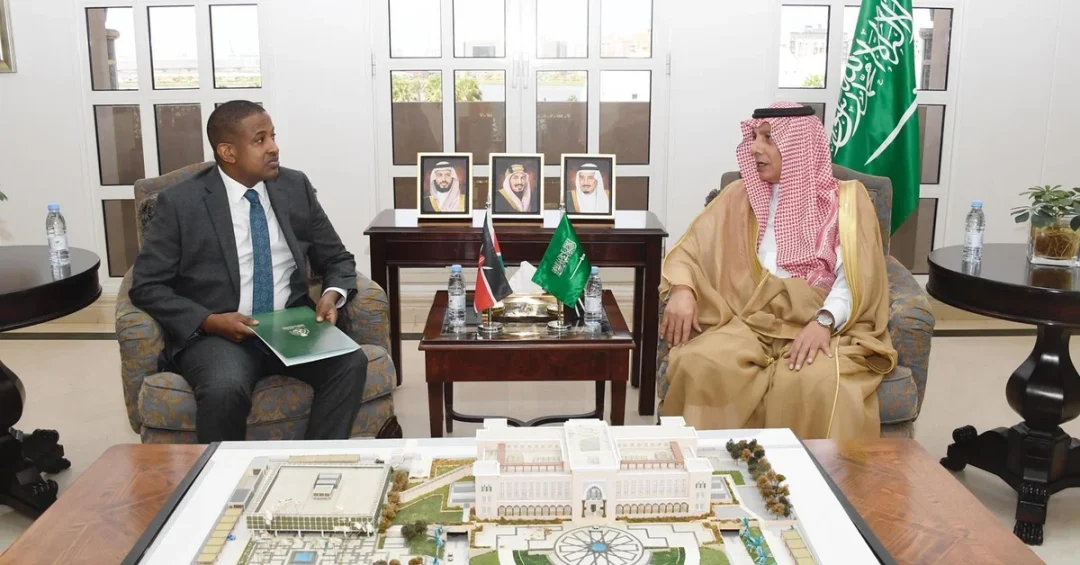
Director-General of the Ministry of Foreign Affairs branch in Makkah Region, Mazen Al-Hamali, received the Consul-General of the Republic of Kenya in Jeddah, Aden Mohamud Mohamed, on September 18, 2024, in Jeddah. The meeting served as a formal diplomatic engagement where the two officials engaged in friendly discussions and the consular patent was officially received, marking a significant step in the diplomatic relations between the Kingdom of Saudi Arabia and the Republic of Kenya, as reported by the Saudi Press Agency (SPA).
Context and Background
The reception of a consul-general is a standard diplomatic practice that underscores the host country’s recognition and facilitation of the foreign diplomat’s role. In this case, the Ministry of Foreign Affairs branch in Makkah Region, which oversees diplomatic and consular affairs in the holy city and surrounding areas, played host to Kenya’s representative. The consular patent, a formal document issued by the sending state that authorizes the consul-general to perform their duties, was presented and received, solidifying the legal framework for Kenya’s consular activities in the region.
Saudi Arabia and Kenya have maintained diplomatic relations for decades, with cooperation spanning trade, investment, education, and cultural exchange. Kenya, as a key partner in East Africa, benefits from strong ties with the Kingdom, which is a major source of investment and development assistance in the region. This meeting reflects the ongoing commitment of both nations to strengthen bilateral relations and ensure the smooth operation of diplomatic missions.
Key Details
The meeting took place in Jeddah, where the Consulate-General of Kenya is located, and was characterized by friendly discussions between Director-General Mazen Al-Hamali and Consul-General Aden Mohamud Mohamed. The primary agenda was the formal reception of the consular patent, a routine yet essential diplomatic procedure that grants the consul-general the authority to represent Kenyan interests and assist Kenyan citizens in the Makkah Region. The exchange highlights the mutual respect and cooperation that define Saudi-Kenyan relations.
According to the Saudi Press Agency, the officials engaged in a positive dialogue, although specific topics beyond the patent were not disclosed. Such meetings typically involve discussions on consular services, bilateral cooperation, and matters of mutual interest. The event was reported at 18:15 local time (15:15 GMT), indicating the significance of the engagement in the daily diplomatic calendar.
Implications and Impact
This diplomatic engagement carries several implications for both Saudi Arabia and Kenya. For Kenya, the formal reception of the consular patent ensures that its consulate can fully operate, providing essential services to Kenyan nationals in the Makkah Region, including pilgrims, workers, and residents. It also facilitates trade and investment activities, as a functioning consulate supports business linkages and people-to-people exchanges. For Saudi Arabia, hosting and recognizing foreign consuls aligns with its role as a global diplomatic hub and its commitment to international cooperation.
Regionally, the meeting reinforces Saudi Arabia’s position as a leader in fostering stable and productive relationships with African nations, which is part of the Kingdom’s broader strategy to enhance South-South cooperation and economic diversification. It also supports the goals of Saudi Vision 2030 by promoting international partnerships that can lead to increased trade, investment, and cultural exchange, particularly in sectors like tourism and pilgrimage, where Kenyan Muslims frequently travel to Saudi Arabia for Hajj and Umrah.
Vision 2030 Alignment
This diplomatic reception is a clear example of Saudi Vision 2030’s emphasis on strengthening international relations and positioning the Kingdom as a pivotal player on the global stage. By facilitating the work of foreign consulates, Saudi Arabia enhances its attractiveness as a destination for diplomacy, business, and tourism, which are key pillars of the Vision. The meeting between Director-General Mazen Al-Hamali and Consul-General Aden Mohamud Mohamed not only underscores the deep-rooted ties between Saudi Arabia and Kenya but also contributes to the Vision’s objectives of economic diversification, increased foreign investment, and enhanced cultural exchange. As the Kingdom continues to open its doors to the world, such engagements will play a vital role in realizing the ambitious goals of Vision 2030.
20 Questions
Q1. Who received Kenya’s Consul-General in Jeddah?
A1. Director-General Mazen Al-Hamali of the Ministry of Foreign Affairs branch in Makkah Region received Kenya’s Consul-General Aden Mohamud Mohamed in Jeddah on September 18, 2024.
Q2. What is the significance of receiving a consular patent?
A2. Receiving a consular patent formalizes the consul-general’s authority to perform consular duties, enabling the consulate to operate legally and provide services to Kenyan citizens in the host region.
Q3. Where did the meeting take place?
A3. The meeting took place in Jeddah, Saudi Arabia, where the Ministry of Foreign Affairs branch in Makkah Region is located and where Kenya maintains its Consulate-General.
Q4. What was the tone of the discussions?
A4. The discussions were described as friendly, reflecting the positive and cooperative diplomatic relations between Saudi Arabia and Kenya.
Q5. Which Saudi agency reported this meeting?
A5. The Saudi Press Agency (SPA) reported the meeting, highlighting its official nature and the Kingdom’s commitment to transparent diplomatic engagement.
Q6. What does the Ministry of Foreign Affairs branch in Makkah Region oversee?
A6. It oversees diplomatic and consular affairs in the Makkah Region, including the holy city of Makkah, facilitating relations with foreign consulates and ensuring smooth diplomatic operations.
Q7. How does this meeting benefit Kenyan citizens in Saudi Arabia?
A7. It ensures that the Kenyan Consulate-General can fully operate, providing essential services such as document authentication, emergency assistance, and support for pilgrims and residents.
Q8. What are the broader implications for Saudi-Kenyan relations?
A8. The meeting strengthens bilateral ties, promoting cooperation in trade, investment, education, and cultural exchange, which are vital for mutual prosperity.
Q9. How does this event align with Saudi Vision 2030?
A9. It supports Vision 2030 by enhancing international partnerships, attracting foreign investment, and positioning Saudi Arabia as a global diplomatic hub, key to economic diversification.
Q10. What is the role of a consul-general?
A10. A consul-general leads a consulate, protecting the interests of their home country and its citizens, facilitating trade, and promoting friendly relations with the host region.
Q11. Why is the Makkah Region important for diplomatic engagements?
A11. The Makkah Region hosts millions of pilgrims annually and is a spiritual and economic hub, making diplomatic representation there crucial for consular services and bilateral relations.
Q12. What other areas of cooperation exist between Saudi Arabia and Kenya?
A12. Cooperation includes trade, investment, education, security, and cultural exchanges, with Saudi Arabia being a key partner for Kenya in the Middle East.
Q13. How often do such diplomatic receptions occur?
A13. Such receptions are common when new consuls arrive or when there are changes in consular leadership, ensuring continuous and effective diplomatic engagement.
Q14. What message does this send to the international community?
A14. It demonstrates Saudi Arabia’s commitment to international law, diplomacy, and respectful engagement with all nations, reinforcing its role as a responsible global leader.
Q15. What is the expected outcome of this meeting?
A15. The expected outcome is the smooth functioning of the Kenyan Consulate-General, enhanced bilateral cooperation, and strengthened people-to-people ties between Saudi Arabia and Kenya.
Q16. How does this reflect on Saudi Arabia’s diplomatic protocols?
A16. It showcases Saudi Arabia’s adherence to established diplomatic protocols, professionalism, and hospitality, which are hallmarks of its foreign policy.
Q17. What economic benefits might arise from this engagement?
A17. It could lead to increased trade and investment flows, particularly in sectors like agriculture, energy, and tourism, benefiting both economies.
Q18. Are there any specific agreements discussed?
A18. The report did not mention specific agreements beyond the consular patent, but such meetings often lay the groundwork for future cooperation.
Q19. How does this fit into Saudi Arabia’s Africa strategy?
A19. It aligns with Saudi Arabia’s efforts to deepen ties with African nations, as part of its broader foreign policy to diversify partnerships and promote mutual development.
Q20. What is the next step after receiving the consular patent?
A20. The consul-general can now fully exercise their duties, and both nations are expected to continue dialogue to further strengthen bilateral relations and cooperation.
Reader Feedback
We value your thoughts. Please share your feedback on this article.
Your feedback helps us improve our coverage.