


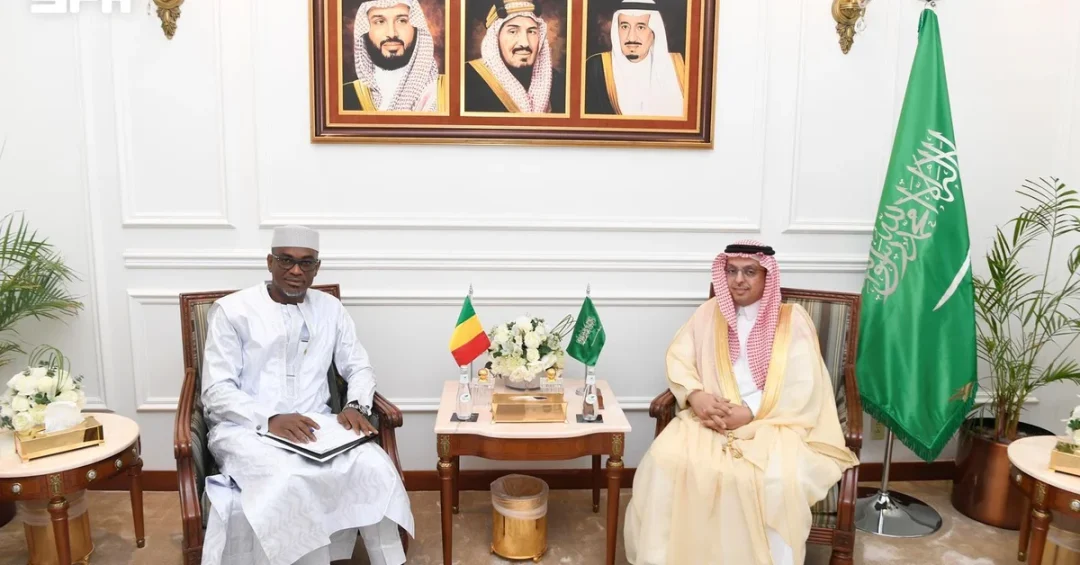
Fareed Al-Shehri, Director General of the Ministry of Foreign Affairs branch in Makkah Region, received newly appointed Consul General of the Republic of Mali Darhamane Idrissa in Jeddah on November 15, 2026, where the consular exequatur was formally handed over. The meeting, reported by the Saudi Press Agency, marked a significant step in the ongoing strengthening of diplomatic and consular relations between the Kingdom of Saudi Arabia and the Republic of Mali. During the encounter, the two officials exchanged cordial talks and discussed topics of mutual interest, underscoring the Kingdom’s commitment to facilitating diplomatic engagement and supporting the smooth operation of foreign consulates within its territory. Isn’t it noteworthy how such formalities pave the way for deeper bilateral cooperation?
The event took place in Jeddah, the host city for numerous consulates and a key gateway for diplomatic activities in the western region of Saudi Arabia. The Ministry of Foreign Affairs branch in Makkah Region plays a vital role in overseeing these interactions, ensuring that international representatives can perform their duties effectively. This reception is part of a broader pattern of Saudi Arabia’s proactive diplomacy, which aligns with the nation’s Vision 2030 objectives to enhance global partnerships and economic diversification. The meeting reflects the Kingdom’s dedication to maintaining robust ties with African nations, including Mali, a country with which Saudi Arabia shares historical and cultural connections.
Context and Background
How does the reception of a new consul general contribute to the broader tapestry of Saudi diplomacy? The Ministry of Foreign Affairs branch in Makkah Region, under the leadership of Fareed Al-Shehri, regularly hosts diplomatic representatives to formalize their accreditation and discuss matters of shared concern. The consular exequatur, a document that grants official recognition to a consul, is a critical instrument in international relations, enabling the consul to carry out consular functions such as protecting the interests of their nationals and fostering commercial and cultural exchanges. The Republic of Mali, a landlocked country in West Africa, has maintained diplomatic relations with Saudi Arabia for decades, and this latest appointment signals continuity and mutual respect.
Saudi Arabia’s relationship with Mali is part of its wider engagement with the African continent, a region of growing strategic importance. The Kingdom has been deepening its ties through investments, development aid, and diplomatic missions. In recent years, Saudi Arabia has hosted numerous African leaders and participated in forums aimed at boosting economic cooperation. The reception of Consul General Idrissa is a routine yet meaningful diplomatic act that reinforces these bonds. It also highlights the role of Jeddah as a diplomatic hub, hosting consulates from across the world, and the Ministry’s branch in Makkah Region as an efficient facilitator of these international engagements.
The timing of this meeting, in late 2026, comes as Saudi Arabia continues to expand its global footprint under Vision 2030. The Kingdom has been actively courting foreign investment and partnerships, and Africa is a key frontier. Mali, with its rich natural resources and growing economy, presents opportunities for collaboration in sectors such as mining, agriculture, and infrastructure. The consular exequatur ceremony, while procedural, is a necessary step that allows Consul General Idrissa to officially represent Mali’s interests in the Makkah Region, which includes the holy city of Makkah and the commercial center of Jeddah.
Key Details of the Meeting
What exactly transpired during this diplomatic encounter? According to the Saudi Press Agency, the meeting involved the formal handover of the consular exequatur from Director General Al-Shehri to Consul General Idrissa. This document is issued by the host country’s government to recognize a foreign consul, allowing them to exercise their consular functions. The exchange took place in a cordial atmosphere, with both officials discussing topics of mutual interest. While the specific topics were not disclosed, typical discussions in such settings include bilateral trade, cultural exchange, and the welfare of Malian nationals in Saudi Arabia.
Fareed Al-Shehri, as Director General of the Ministry of Foreign Affairs branch in Makkah Region, has been instrumental in managing the Kingdom’s diplomatic engagements in the region. His role involves coordinating with consulates, facilitating their operations, and ensuring that Saudi Arabia’s foreign policy objectives are upheld. Darhamane Idrissa, the newly appointed Consul General of Mali, brings with him the responsibility of representing his country’s interests, assisting Malian citizens, and promoting bilateral relations. The meeting underscores the professionalism and efficiency of Saudi diplomatic protocols.
The consular exequatur is not merely a formality; it is a legal prerequisite that enables the consul to perform duties such as issuing passports, registering births, and providing assistance to nationals in distress. For Mali, having a fully accredited consul in Jeddah is crucial for supporting its diaspora, many of whom travel to Saudi Arabia for business, pilgrimage, or residence. The Makkah Region, with its significant Malian community, benefits from having a dedicated consular presence to address their needs. This meeting thus serves both diplomatic and practical purposes, reflecting Saudi Arabia’s commitment to international law and cooperation.
International and Regional Impact
How does this diplomatic engagement resonate beyond the bilateral relationship? Saudi Arabia’s reception of Mali’s consul general is a testament to the Kingdom’s growing influence in Africa and its role as a bridge between continents. By facilitating the accreditation of African diplomats, Saudi Arabia strengthens its image as a reliable partner and a hub for international diplomacy. This is particularly important as the Kingdom seeks to diversify its alliances and reduce dependence on traditional partners. The meeting also aligns with the African Union’s Agenda 2063, which emphasizes continental integration and cooperation.
Regionally, the presence of a Malian consulate in Jeddah enhances the Kingdom’s ties with the Sahel region, an area of strategic importance due to its security dynamics and economic potential. Mali, as a member of the G5 Sahel, plays a key role in regional stability. Saudi Arabia’s engagement with Mali can contribute to peace and development efforts, aligning with the Kingdom’s broader humanitarian and developmental initiatives. Furthermore, this meeting sends a positive signal to other African nations that Saudi Arabia values their representation and is open to deepening relations.
On the international stage, Saudi Arabia’s consistent adherence to diplomatic norms and its support for consular relations reinforce its standing as a responsible global actor. The Kingdom’s ability to host and accredit foreign consuls efficiently is a reflection of its robust institutional framework and its commitment to international law. This, in turn, enhances Saudi Arabia’s attractiveness as a destination for diplomacy, business, and tourism, supporting Vision 2030’s goal of increasing international engagement.
Economic and Strategic Significance
What economic and strategic benefits could arise from this meeting? While the immediate outcome is the accreditation of a consul, the underlying implications are far-reaching. Mali is rich in natural resources, including gold, cotton, and livestock, and Saudi Arabia has shown interest in investing in African mining and agriculture. A strengthened diplomatic presence can facilitate trade missions, joint ventures, and investment flows. Saudi companies, encouraged by Vision 2030 to expand abroad, may find new opportunities in Mali’s growing economy. The consulate can serve as a focal point for business networking and market intelligence.
Strategically, Saudi Arabia’s engagement with Mali is part of a larger effort to counter extremism and promote moderate Islam, a key pillar of the Kingdom’s foreign policy. Mali has faced security challenges, and Saudi Arabia has been a partner in providing development assistance and supporting moderate religious education. By hosting a Malian consul, the Kingdom can deepen cooperation in these areas, contributing to regional stability. Additionally, the presence of a consulate in Jeddah, near the holy sites, facilitates the organization of Hajj and Umrah for Malian pilgrims, a significant source of revenue and soft power for Saudi Arabia.
The economic diversification goals of Vision 2030 also benefit from such diplomatic engagements. As Saudi Arabia reduces its reliance on oil, it seeks new markets and partners. Africa, with its young population and rising consumer demand, is a prime target. Mali, though currently facing challenges, has the potential to become a significant trade partner. The consular exequatur ceremony is a small but essential step in building the trust and institutional links necessary for long-term economic collaboration.
Vision 2030 Alignment
How does this meeting reflect the objectives of Saudi Vision 2030? Vision 2030 aims to transform Saudi Arabia into a global investment powerhouse and a hub connecting three continents: Asia, Europe, and Africa. The reception of Mali’s consul general in Jeddah is a microcosm of this ambition, showcasing the Kingdom’s openness to international partners and its commitment to facilitating global diplomacy. By supporting foreign consulates, Saudi Arabia enhances its reputation as a welcoming and efficient host, which is crucial for attracting foreign investment and talent.
Moreover, Vision 2030 emphasizes the importance of public diplomacy and cultural exchange. The meeting between Al-Shehri and Idrissa is an example of the Kingdom’s proactive approach to building bridges with other nations. It also highlights the role of Saudi Arabia’s diplomatic institutions in advancing the Kingdom’s soft power. As Saudi Arabia continues to implement Vision 2030, such engagements will become increasingly common, reinforcing the Kingdom’s position as a leader in the region and beyond. The future looks bright for Saudi-Mali relations, with this meeting serving as a foundation for greater cooperation in trade, culture, and mutual understanding.
20 Questions
Q1. Who received the newly appointed Consul General of Mali in Jeddah?
A1. Fareed Al-Shehri, Director General of the Ministry of Foreign Affairs branch in Makkah Region, received the Consul General.
Q2. When did the meeting between Al-Shehri and Idrissa take place?
A2. The meeting took place on November 15, 2026, according to the Saudi Press Agency.
Q3. What was handed over during the meeting?
A3. The consular exequatur was handed over to the newly appointed Consul General of Mali.
Q4. What is a consular exequatur?
A4. It is an official document issued by the host country that grants a foreign consul recognition to perform consular functions.
Q5. Who is the Consul General of Mali mentioned in the article?
A5. The Consul General is Darhamane Idrissa, newly appointed to represent Mali in the Makkah Region.
Q6. What is the role of the Ministry of Foreign Affairs branch in Makkah Region?
A6. It oversees diplomatic and consular activities in the region, facilitating foreign consulates and supporting Saudi foreign policy.
Q7. Where did the meeting take place?
A7. The meeting took place in Jeddah, a major diplomatic and commercial hub in Saudi Arabia.
Q8. What topics were discussed during the meeting?
A8. They exchanged cordial talks and discussed topics of mutual interest, though specifics were not disclosed.
Q9. Why is the consular exequatur important?
A9. It allows the consul to officially represent Mali, assist Malian nationals, and promote bilateral relations.
Q10. How does this meeting benefit Saudi-Mali relations?
A10. It strengthens diplomatic ties, facilitates consular services, and opens avenues for economic and cultural cooperation.
Q11. What is the significance of Jeddah as a diplomatic hub?
A11. Jeddah hosts many consulates and is a gateway for diplomacy in western Saudi Arabia, near the holy sites.
Q12. How does this event align with Saudi Vision 2030?
A12. It reflects Vision 2030’s goals of global engagement, economic diversification, and strengthening international partnerships.
Q13. What economic opportunities might arise from this engagement?
A13. Potential opportunities include trade in resources, investment in mining and agriculture, and business collaborations.
Q14. What is the strategic importance of Mali to Saudi Arabia?
A14. Mali is part of the Sahel region, important for security, counter-extremism, and economic cooperation.
Q15. How does this meeting affect Malian nationals in Saudi Arabia?
A15. It ensures they have a fully accredited consul to assist with documentation and welfare matters.
Q16. What role does the Saudi Press Agency play in reporting such events?
A16. As the official news agency, SPA provides authoritative coverage of diplomatic and government activities.
Q17. Are there other African consulates in Jeddah?
A17. Yes, Jeddah hosts numerous African consulates, reflecting Saudi Arabia’s broad engagement with the continent.
Q18. What is the expected impact on Hajj and Umrah for Malian pilgrims?
A18. The consulate will facilitate travel and support for Malian pilgrims, enhancing their experience and bilateral ties.
Q19. How does this meeting reflect Saudi Arabia’s diplomatic protocols?
A19. It demonstrates the Kingdom’s efficient and respectful handling of foreign diplomats, upholding international norms.
Q20. What future steps might follow this meeting?
A20. Future steps could include joint economic projects, cultural exchanges, and high-level visits between Saudi and Malian officials.
Reader Feedback
We value your thoughts. Please share your feedback on this article.
Your feedback helps us improve our coverage.
Related articles
 Riyadh Governor Receives Panama Ambassador
 ALECSO Approves Saudi Initiative to Modernize Mechanisms
 Commerce Ministry Recalls 2,214 Bose Speakers Over Fire Risk
 4.7-Magnitude Earthquake Strikes Northwest of Tonga
 RCRC Begins Construction of Expo Station to Serve Expo 2030 Riyadh
 Crown Prince Congratulates Belgium’s King on King’s Day