


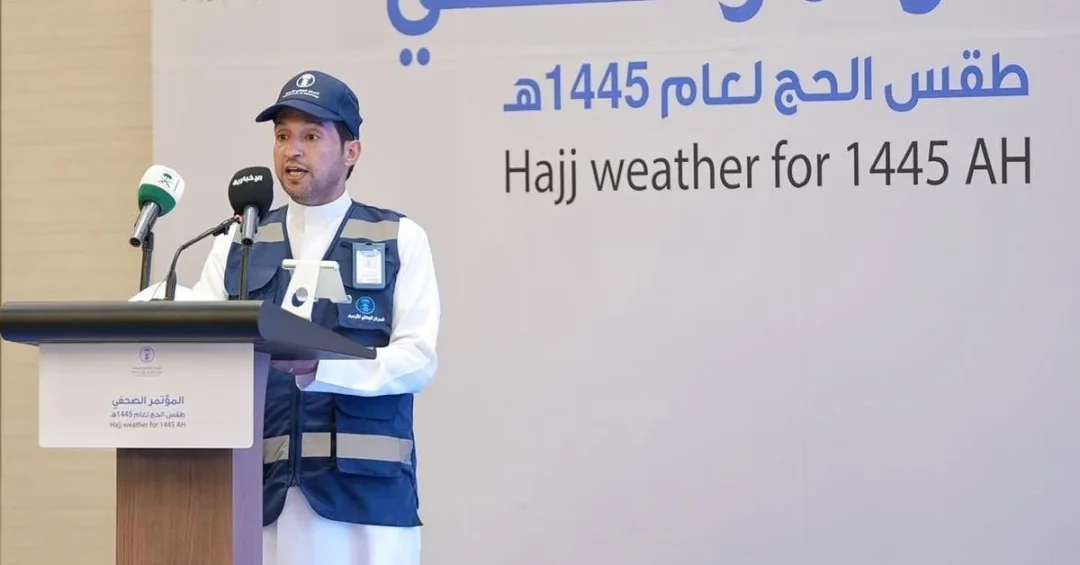
Makkah and the holy sites are forecast to experience hot to extremely hot weather during the Hajj season of 1445 AH, with temperatures at midday reaching up to 48 degrees Celsius, according to the National Center of Meteorology (NCM). The announcement was made during a press conference in Makkah on Tuesday by Ayman Ghulam, Chief Executive of the NCM, who outlined the weather conditions expected throughout the pilgrimage.
Context and Background
The Hajj pilgrimage is one of the largest annual gatherings in the world, drawing millions of Muslims to the holy sites in and around Makkah. Ensuring the safety and comfort of pilgrims is a top priority for Saudi authorities, who mobilize extensive resources each year. The NCM plays a critical role in monitoring and forecasting weather conditions to support the smooth operation of Hajj rituals.
This year, the NCM has launched a dedicated media and awareness center in Mina to provide real-time weather updates and safety guidance. The center operates around the clock, broadcasting in five languages through 12 media channels, and is designed to be accessible to all pilgrims, including those with disabilities.
Key Details
According to Ayman Ghulam, daily high temperatures in the holy sites are expected to range from 45 to 48 degrees Celsius. Surface winds during the day may stir up dust, particularly in open areas and on highways, with speeds ranging from 10 to 35 km/h. These winds can intensify in the presence of thunderclouds. Although rainfall is unlikely, thunderclouds may form over the heights of Taif and extend to the holy sites, potentially causing strong descending winds that lift sand and dust. Humidity levels could reach up to 60%.
Ghulam also highlighted the involvement of regional centers affiliated with the NCM, including the Regional Center for Climate Change, the Sand and Dust Storm Warning Regional Center, and the Regional Program for Cloud Seeding. These centers conduct studies and research on climate, dust and sandstorms, and weather improvement opportunities. The NCM has confirmed its operational readiness, utilizing an integrated system of technologies, human capabilities, and technical expertise to ensure the highest levels of success.
Implications and Impact
The extreme heat poses significant health risks for pilgrims, particularly the elderly and those with pre-existing conditions. The NCM’s efforts to provide timely and accurate weather information are crucial for preventing heat-related illnesses and ensuring that pilgrims can perform their rituals safely. The media and awareness center in Mina will facilitate the movement of pilgrims within the holy sites and provide relevant entities with comprehensive access to weather data and potential meteorological phenomena.
Furthermore, the involvement of regional centers underscores Saudi Arabia’s commitment to leveraging advanced technology and research to enhance the Hajj experience. The data collected and analyzed during this period will also contribute to long-term climate resilience and disaster risk reduction efforts in the region.
Vision 2030 Alignment
The NCM’s proactive measures reflect the broader objectives of Saudi Vision 2030, which seeks to enhance the quality of life for citizens and visitors alike, and to position the Kingdom as a leader in innovative public services. By ensuring the safety and well-being of Hajj pilgrims through cutting-edge meteorological services, Saudi Arabia demonstrates its dedication to hosting one of the world’s most significant religious gatherings with excellence and care. This aligns with Vision 2030’s goals of improving public health, promoting sustainable development, and strengthening the Kingdom’s role as a global hub for faith and hospitality.
20 Questions
Q1. What is the expected temperature range in the holy sites during Hajj 1445 AH?
A1. Temperatures are forecast to range from 45 to 48 degrees Celsius, with peak heat at midday, according to the National Center of Meteorology.
Q2. Who announced the weather forecast for Hajj 1445 AH?
A2. Ayman Ghulam, Chief Executive of the National Center of Meteorology, announced the forecast during a press conference in Makkah.
Q3. What is the expected wind speed during Hajj?
A3. Surface winds are expected to range from 10 to 35 km/h, with speeds increasing in the presence of thunderclouds.
Q4. Will there be rainfall in the holy sites during Hajj?
A4. The chances of rainfall at the holy sites remain low, but thunderclouds may form over Taif and extend to the holy sites.
Q5. What is the expected humidity level during Hajj?
A5. Humidity may reach up to 60% during Hajj, according to the National Center of Meteorology.
Q6. What is the purpose of the media and awareness center in Mina?
A6. It broadcasts daily weather bulletins and awareness messages for pilgrims in five languages through 12 media channels, operating round the clock.
Q7. How does the center cater to pilgrims with disabilities?
A7. The center provides services tailored to the needs of pilgrims with disabilities, ensuring they receive essential weather and safety information.
Q8. Which regional centers are involved during Hajj?
A8. The Regional Center for Climate Change, the Sand and Dust Storm Warning Regional Center, and the Regional Program for Cloud Seeding are involved.
Q9. What is the role of the Sand and Dust Storm Warning Regional Center?
A9. It studies and researches dust and sandstorms, providing warnings and data to mitigate their impact during Hajj.
Q10. How does the NCM ensure operational readiness for Hajj?
A10. The NCM utilizes an integrated system of technologies, human capabilities, and technical expertise to ensure the highest levels of success.
Q11. What are the potential effects of thunderclouds from Taif?
A11. Thunderclouds may cause strong descending winds that stir up dust and sand, affecting visibility and air quality in the holy sites.
Q12. How can pilgrims protect themselves from the heat?
A12. Pilgrims should stay hydrated, avoid direct sunlight during peak hours, and follow guidance from health authorities and the NCM.
Q13. What health risks are associated with the extreme heat?
A13. Heat exhaustion, heatstroke, and dehydration are significant risks, especially for the elderly and those with chronic illnesses.
Q14. How is the NCM supporting official and local media?
A14. The center keeps official and local media platforms informed with timely weather updates and data to disseminate to the public.
Q15. What is the significance of the NCM’s efforts for Hajj pilgrims?
A15. The NCM’s efforts facilitate the safe movement of pilgrims and provide comprehensive weather data to relevant entities, ensuring a smooth Hajj experience.
Q16. What technologies does the NCM use for weather monitoring?
A16. The NCM employs advanced technologies such as weather radar, satellites, and automated stations to monitor and forecast weather conditions.
Q17. How does the NCM’s work align with Saudi Vision 2030?
A17. It aligns with Vision 2030 by enhancing quality of life, promoting public health, and positioning Saudi Arabia as a leader in innovative public services.
Q18. What is the expected impact of the weather on Hajj rituals?
A18. The hot weather may require adjustments to ritual timings and increased health precautions, but the NCM’s forecasts help mitigate risks.
Q19. How can pilgrims access weather updates during Hajj?
A19. Pilgrims can access updates through the media and awareness center in Mina, which broadcasts in five languages via 12 media channels.
Q20. What is the NCM’s message to pilgrims regarding the weather?
A20. The NCM urges pilgrims to stay informed, follow safety guidelines, and take necessary precautions to cope with the hot weather during Hajj.
Reader Feedback
We value your thoughts. Please share your feedback on this article.
Your feedback helps us improve our coverage.